




beach suncup
Camissoniopsis cheiranthifolia
The beach suncup is a bright yellow flower that loves to grow in sandy places near the ocean. Its cheerful blooms can be seen dancing in the breeze, making the beach even more beautiful!
Habitat: Coastal areas
The beach suncup has bright yellow, cup-shaped flowers with four distinct petals, often appearing in clusters. Its leaves are typically gray-green, spoon-shaped, and covered in fine hairs. It grows low to the ground, forming spreading mats against sandy backdrops.
Category
PlantsRarity
Common
Danger
1/5 · Very low
Snaps
7
Each tiny seed pod looks like a super curly, twisted ribbon as it dries.
It's sometimes called 'California Primrose' because it often blooms early in the year.
Its bright yellow flowers actually turn to follow the sun across the sky!
The entire plant often lies flat, hugging the sand to avoid strong ocean winds.
beach suncup has a long taproot that can reach deep into the sand to find precious water, helping it survive dry spells.
Its fuzzy, silvery leaves are covered in fine hairs that protect it from salty sea spray and help it conserve water.
The beach suncup can grow new roots and stems when buried by shifting sands, helping it survive fierce coastal winds.
Apis mellifera
Gathers nectar and pollen from flowers.

Bombus vosnesenskii
Visits flowers for nectar and pollen.
Syrphus ribesii
Adults feed on nectar, aiding pollination.
Flowering plants are any plants that produce flowers as part of their reproductive cycle.
Summer blooming plants produce their flowers during the summer season, often providing vibrant color when many other plants have finished.
Fragrant flowers emit a pleasant aroma, often to attract pollinators or for defense.
Salt tolerant plants can withstand and grow in conditions with elevated salinity levels in the soil or water.

Drought-tolerant plants can survive and flourish in conditions with limited water availability.

Describes plants that are particularly attractive and beneficial to a wide range of pollinating organisms.

Coastal habitats are dynamic environments located along the interface between land and sea, influenced by tides, waves, and saltwater.
No aliases listed yet.
Danger
1/5 · Very low
Always be gentle when exploring flowers and avoid picking them without permission.
The easiest way to identify beach suncup is to use the Snappit nature identifier app.
5-30 cm
15-45 cm
1-3 cm
Spring to Fall
No
None
Annual
Zoom in to split clusters and explore where this object has been snapped.

California, US
You might spot Sunburst Anemone, Western Gull, and Giant Coreopsis.
View guide →
.jpg)
California, US
You might spot Long-Billed Curlew, Snowy Plover, and Sanderling.
View guide →
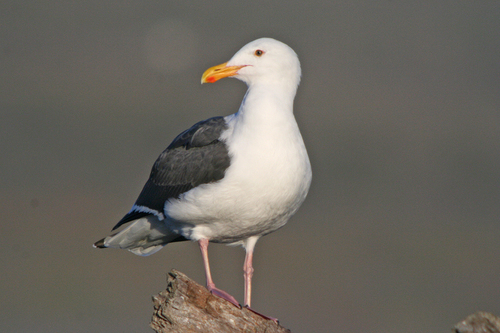
California, US
You might spot Western Gull, Snowy Egret, and Black Skimmer.
View guide →

California, US
You might spot Fingertips, Lemonade Berry, and California Boxthorn.
View guide →
Take the discovery with you
Snap it with Snappit to identify it, learn what makes it special, and add the discovery to your collection.








.jpg&width=800)


_001.jpg&width=800)




