





Bearded Carpenter ant
Camponotus subbarbatus
The Bearded Carpenter Ant is a busy little insect that loves to build its home in wood. They have fuzzy, bearded-looking jaws that help them carry food and build their nests.
Habitat: Forests
The Bearded Carpenter ant has a reddish-brown head and thorax, often with a darker, sometimes black, abdomen. Its defining feature is a distinct 'beard' of stiff bristles, called psammophores, located beneath its head. This coloration and beard help distinguish it from other carpenter ant species.
Category
InsectsRarity
Common
Danger
2/5 · Low
Snaps
10
A queen ant can live for over 15 years, laying thousands of eggs throughout her life!
Some carpenter ants have different sized workers, like tiny scouts and giant defenders!
These ants use their sense of smell to follow invisible trails left by their friends!
When threatened, they bang their heads against tunnel walls to warn their colony!
Bearded Carpenter ants can carry small particles like sand and food crumbs using the stiff bristles under their head, which helps them clean and forage.
Bearded Carpenter ants excavate galleries in decaying wood using their strong mandibles, which helps them create safe nesting sites for their colony.
Bearded Carpenter ants can spray formic acid from their abdomens when threatened, which helps them deter predators and defend their nest.
They are omnivores, munching on sweet plant juices and small insects they find.
Aphis gossypii
They 'farm' aphids for their sweet honeydew.
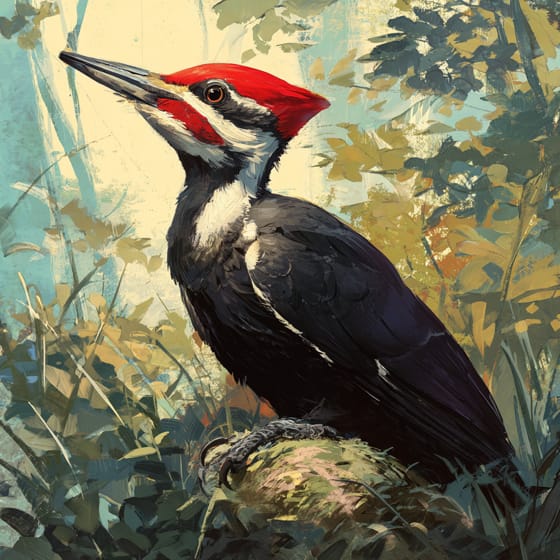
Dryocopus pileatus
Woodpeckers dig into wood nests to find them.
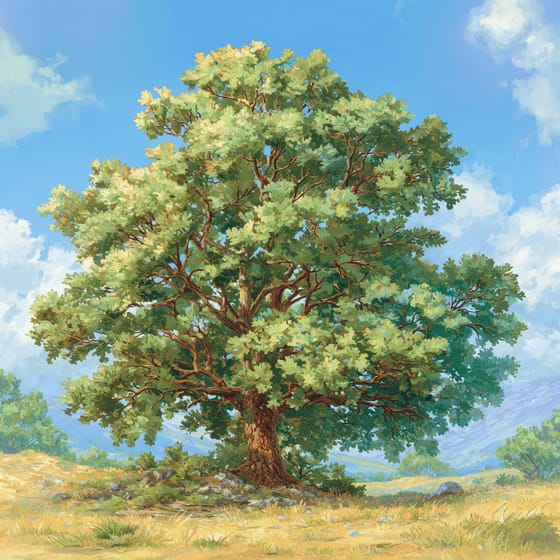
Quercus alba
They nest inside dead or decaying oak trees.
Formica rufa
Predatory ants sometimes raid their nests.
Furry describes animals possessing a dense covering of soft hair or fur.
Social animals live in organized groups, cooperating for survival benefits such as foraging, defense, and raising offspring.
This trait identifies organisms whose diet includes both plant and animal matter.
This trait describes organisms that manipulate external objects to achieve a specific goal.

Describes organisms that break down dead organic material, recycling nutrients back into the ecosystem.

Forest habitats are terrestrial environments dominated by dense tree cover, supporting a high diversity of plant and animal life.

Describes a species whose presence and role have a disproportionately large effect on its environment.
No aliases listed yet.
Danger
2/5 · Low
Don't disturb ant nests; they are working hard and can bite if scared.
The easiest way to identify Bearded Carpenter ant is to use the Snappit nature identifier app.
6-12 mm
60-365 days
They are omnivores, munching on sweet plant juices and small insects they find.
Forests
Foraging
6
10000
Zoom in to split clusters and explore where this object has been snapped.

New York, US
You might spot Monarch and Common Eastern Bumble Bee.
View guide →

Iowa, US
You might spot House Sparrow and Common Eastern Bumble Bee.
View guide →

Illinois, US
You might spot Northern Cardinal, Eastern Pondhawk, and Common Watersnake.
View guide →
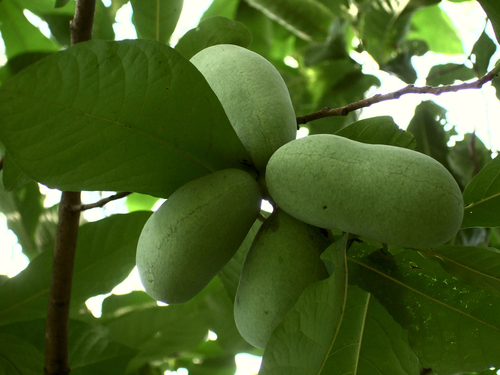
Ohio, US
You might spot Common Pawpaw, Eastern Newt, and Spotted Salamander.
View guide →

Iowa, US
You might spot American Toad, White-Tailed Deer, and Eastern Fox Squirrel.
View guide →

Virginia, US
You might spot Pond Slider and Eastern Tiger Swallowtail.
View guide →
Take the discovery with you
Snap it with Snappit to identify it, learn what makes it special, and add the discovery to your collection.








.jpg&width=800)


