Eastern Tiger Swallowtail

Meadowlark Botanical Gardens is a serene 95-acre oasis in Vienna, Virginia.
Meadowlark Botanical Gardens is a serene 95-acre oasis in Vienna, Virginia. This public garden captivates visitors with its diverse collections of ornamental and native plants, tranquil lakes, and unique cultural features, offering a peaceful escape into nature's beauty. It stands as a vibrant symbol of the region's dedication to plant conservation and environmental education, making it a must-visit for those interested in the intersection of nature and history.
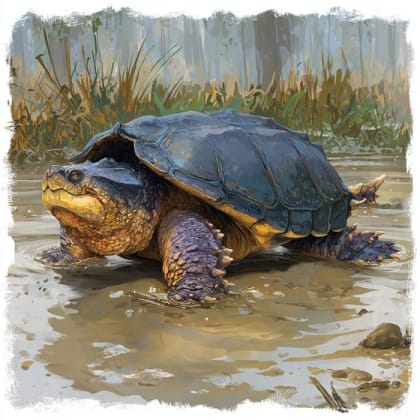
The gardens boast a rich tapestry of attractions, including the acclaimed Korean Bell Garden, the only one of its kind in the Western Hemisphere, featuring the three-ton "Bell of Peace and Harmony." Visitors can wander through the colorful Butterfly Garden, explore the interactive Children's Garden, admire extensive collections of cherry trees, azaleas, daylilies, and hostas, or discover Mediterranean flora in the Volgenau Conservatory. Three picturesque lakes, including Lake Caroline, are home to abundant koi fish and turtles, while a network of gentle trails winds through diverse habitats, from hardwood forests to Virginia native wetlands, offering opportunities to spot local wildlife like Great Blue Herons and various bird species.
Whether seeking a quiet stroll, an educational experience, or a memorable family outing, Meadowlark Botanical Gardens offers something special throughout the year. Its ever-changing landscape, from spring blossoms and vibrant summer displays to colorful autumn foliage and the enchanting Winter Walk of Lights, ensures that each visit provides a fresh perspective and lasting memories. Take the ultimate field guide with you: use the Snappit app to identify birds, plants, and animals on your trip.
Meadowlark Botanical Gardens was established thanks to the vision and generosity of Dr. Gardiner Means and Dr. Caroline Ware. In 1980, the lifelong environmentalists donated their cherished 74-acre farm to NOVA Parks, with the desire for it to remain a haven for trees, shrubs, and flowers. NOVA Parks subsequently acquired an additional 21 acres, bringing the total to 95 acres, and began developing it into a public garden. The gardens officially opened in April 1987. Key developments followed, including the opening of the Visitor Center in 1992, the Atrium event facility in 1998, and the initiation of a regional native plant conservation program in 1999. A significant addition was the Korean Bell Garden, which opened in 2012, symbolizing friendship between Virginia and South Korea. More recently, the Volgenau Conservatory opened in 2020, housing an array of Mediterranean plants.
Walk the 3.5 miles of paved trails and 1.25 miles of mulched trails, observe local wildlife, identify diverse plant species (many are labeled), relax by the lakes or in one of the gazebos, and explore the historic log cabin and the Experimental Meadow.
Spring: Witness vibrant cherry blossoms, daffodils, tulips, magnolias, and azaleas in bloom.
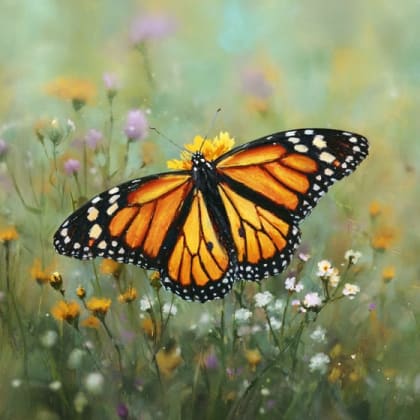
Summer: Enjoy lush greenery, hydrangeas, daylilies, and a bustling Butterfly Garden. The shade gardens offer respite from the sun.
Fall: The landscape transforms with brilliant fall colors, providing stunning photographic opportunities.
Winter: Experience the magical "Winter Walk of Lights" (mid-November to early January). The paved paths remain accessible for serene walks, even after snow.
Meadowlark Botanical Gardens offers an ADA-accessible paved trail, approximately 0.4 miles long, leading to the picturesque Lake Caroline Gazebo, the Great Lawn, Butterfly Garden, Korean Bell Garden, Bonsai Pavilion, and Volgenau Conservatory. While there are miles of paved trails, some are steep. A wheelchair-accessible cart service is available (call ahead to ensure availability), and two wheelchairs can be borrowed from the Visitor Center on a first-come, first-served basis.
Don't miss the Korean Bell Garden, Lake Caroline with its koi and turtles, the Butterfly Garden, the Children's Garden, and the Volgenau Conservatory. Explore the various themed plant collections, including extensive cherry trees, azaleas, daylilies, and native plant displays.
Each card links to a full Explore page with photos, traits, and fun facts.
Start with the big picture, then zoom in to explore individual wildlife observations around this place.
Wear comfortable walking shoes
With 3.5 miles of paved trails and 1.25 miles of mulched trails, you'll be doing a lot of walking.
Plan your visit for early morning
For photographers and birdwatchers, arriving early can offer better light, fewer crowds, and increased opportunities to spot wildlife.
Check the official website for seasonal hours and special events: Closing times vary throughout the year, and special events like "Early Morning in the Gardens" or "Pup Nights" offer unique experiences.
Bring a refillable water bottle
While outside food and drink are generally not allowed inside the gated gardens, staying hydrated is important, especially during warmer months.
Utilize the picnic area
If you plan to bring your own food, a first-come, first-served picnic area is available outside the fenced garden property.
Download or scan a digital map
Paper maps are no longer available at the Visitor Center, so plan to use a digital version.
Jun 6, 2026
May 31, 2026
May 29, 2026
May 17, 2026
May 17, 2026

Maryland, US
You might spot White-Tailed Deer and Eastern Gray Squirrel.
View guide →
.jpg)
District of Columbia, US
You might spot Eastern Gray Squirrel, Duck, and House Sparrow.
View guide →

Illinois, US
You might spot American Robin, Canada Goose, and House Sparrow.
View guide →

Virginia, US
You might spot Spotted Lanternfly and Northern Cardinal.
View guide →
Take the discovery with you
Identify the wildlife you spot, learn as you go, and keep a collection of the adventure.


















.jpg&width=800)