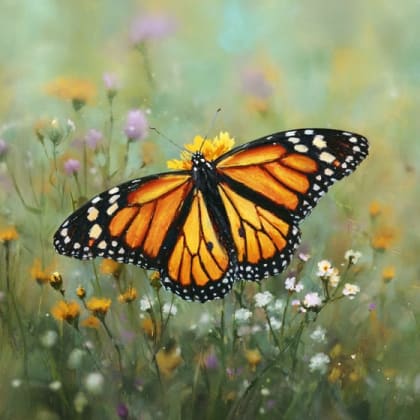





Monarch Butterfly

Fort Tryon Park is a magnificent 67-acre urban oasis in northern Manhattan, renowned for its dramatic cliffside setting, meticulously designed landscapes, and panoramic views of the Hudson River and the New Jersey Palisades.
Fort Tryon Park is a magnificent 67-acre urban oasis in northern Manhattan, renowned for its dramatic cliffside setting, meticulously designed landscapes, and panoramic views of the Hudson River and the New Jersey Palisades. Conceived by John D. Rockefeller Jr. and designed by the esteemed Olmsted Brothers, this historic park serves as a tranquil escape and a cultural landmark, seamlessly blending natural beauty with architectural grandeur.
At its heart lies The Met Cloisters, a branch of the Metropolitan Museum of Art, featuring a remarkable collection of medieval European art and architecture housed within a reconstructed monastery. Beyond the museum, visitors can explore the enchanting three-acre Heather Garden, boasting over 650 varieties of plants, including a significant collection of heaths and heathers, and a 600-foot perennial border that bursts with color year-round. The Alpine Garden offers a contrasting experience with its rustic stone staircases and plants adapted to rocky terrain, while Linden Terrace provides one of Manhattan's highest vantage points for stunning river vistas.
Fort Tryon Park is more than just a park; it's a journey through history, horticulture, and stunning scenery. Its winding pathways, majestic trees, and diverse gardens create an atmosphere of serenity, inviting visitors to stroll, explore, and discover hidden gems around every turn. Whether seeking artistic inspiration, botanical beauty, or simply a peaceful moment overlooking the Hudson, this park offers a memorable experience that feels worlds away from the bustling city. Unlock an interactive field guide for this spot: get the Snappit app to identify nature on the go.
The land that is now Fort Tryon Park holds significant historical roots, having been inhabited by the Weckquaesgeek Tribe and later serving as a strategic site during the Revolutionary War, known then as Mount Washington. After the British victory in the Battle of Fort Washington, the area was renamed after Sir William Tryon, the last British governor of colonial New York. In the early 20th century, wealthy New Yorkers built grand estates in the area, most notably Tryon Hall, owned by Cornelius K.G. Billings. Beginning in 1917, philanthropist John D. Rockefeller Jr. acquired Billings' estate and other parcels, ultimately assembling 67 acres with a vision to create a public park. He commissioned the renowned Olmsted Brothers firm, led by Frederick Law Olmsted Jr., to design the park, which was completed in 1935. Rockefeller also purchased the New Jersey Palisades across the Hudson River to preserve the park's iconic views and donated a significant medieval art collection, leading to the construction of The Cloisters within the park, which opened in 1938. Fort Tryon Park was designated a New York City scenic landmark in 1983.
Stroll through the themed gardens, visit The Met Cloisters, enjoy a picnic on the lawns, explore the network of walking trails, participate in free public programs like fitness classes or garden tours, and photograph the scenic overlooks.
Spring: Daffodils, magnolias, and early perennials burst into bloom in the Heather Garden and along pathways.
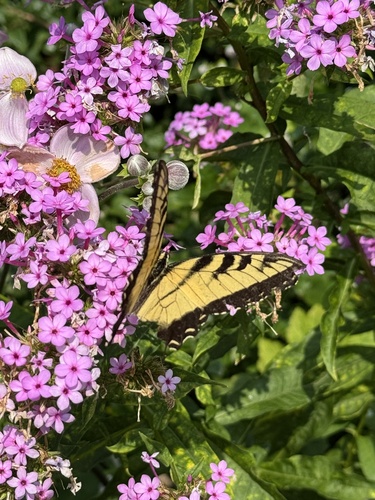
Summer: The Heather Garden is in full splendor with a wide variety of flowering plants, attracting butterflies and hummingbirds. Outdoor concerts and events are common.
Fall: Experience vibrant autumn foliage, especially from Linden Terrace, complementing the late-season blooms in the gardens. The annual Medieval Festival is a highlight.
Winter: Enjoy peaceful, crisp views of the Hudson River and snow-dusted landscapes. Evergreens in the Heather Garden provide color.
The park features paved pathways, but its hilly topography includes many stairs and unpaved sections, which can limit mobility access in some areas, particularly in the terraced gardens.
A branch of the Metropolitan Museum of Art, featuring medieval European art and architecture.
A three-acre horticultural masterpiece with diverse plants, heaths, and heathers, offering year-round interest and stunning views.
One of the highest points in the park, providing expansive views of the Hudson River, Palisades, and George Washington Bridge.
Features unique plantings adapted to rocky slopes and rustic stone staircases.
Each card links to a full Explore page with photos, traits, and fun facts.
Start with the big picture, then zoom in to explore individual wildlife observations around this place.
Wear comfortable shoes
** The park is hilly with many stairs and winding paths, so comfortable footwear is essential.
Allow ample time for The Cloisters
If you plan to visit The Met Cloisters, allocate several hours, as it's a museum with extensive collections and beautiful gardens.
Explore beyond the main paths
While the main pathways offer great views, venture into the smaller trails and garden sections to discover hidden gems.
Bring a camera
The panoramic views, architectural details of The Cloisters, and vibrant gardens offer incredible photographic opportunities.
Check the events calendar
The Fort Tryon Park Conservancy hosts numerous free programs, including fitness classes, garden tours, and seasonal events; check their website for current offerings.
Consider a visit in different seasons
Each season transforms the park's appearance, from spring blooms to fall foliage, offering unique experiences.
Aug 16, 2025
Photo attribution
(c) chrischalfant, some rights reserved (CC BY)
License: CC BY 4.0 ↗
Image may be shown cropped inside the card frame.
Apr 29, 2026
Mar 28, 2026
Nov 23, 2025
Nov 9, 2025

Maryland, US
You might spot White-Tailed Deer and Eastern Gray Squirrel.
View guide →
.jpg)
District of Columbia, US
You might spot Eastern Gray Squirrel, Duck, and House Sparrow.
View guide →

Illinois, US
You might spot American Robin, Canada Goose, and House Sparrow.
View guide →

Virginia, US
You might spot Spotted Lanternfly and Northern Cardinal.
View guide →
Take the discovery with you
Identify the wildlife you spot, learn as you go, and keep a collection of the adventure.