





Beefsteak Plant
perilla frutescens
The Beefsteak Plant has beautiful green leaves that can look purple in the sun! It's not just pretty; it has a yummy flavor that many people love to use in cooking.
Habitat: You can find it in gardens and farms, usually in warm climates.
The Beefsteak Plant has distinctive ovate to broad-ovate leaves, often deeply serrated, that range from vibrant green to deep purple. Its square stems bear tiny, inconspicuous white to pale purple flowers arranged in slender terminal spikes.
Category
PlantsRarity
Common
Danger
0/5 · No known danger
Snaps
4
It's a super popular herb in Asian cooking, giving dishes a unique spicy flavor!
Its leaves can be bright green, deep purple, or even a mix of both colors!
Many people call it 'Shiso' or 'Perilla' depending on where they live!
The plant's tiny seeds are pressed to make a healthy oil, rich in good fats!
Beefsteak Plant has powerful aromatic oils that deter common herbivores, helping it stay safe from hungry creatures.
Beefsteak Plant can self-seed vigorously, scattering its tiny seeds widely to grow new plants easily each year.
Beefsteak Plant can produce vibrant purple pigments, which might protect its leaves from too much sun.
Apis mellifera
Visits flowers to collect nectar and pollen.
Bombus bimaculatus
Helps transfer pollen between its small blooms.

Homo sapiens
Cultivates and consumes its flavorful leaves and seeds.
Aphis gossypii
Feeds on the sap from its leaves and stems.
Colorful describes organisms or objects displaying a wide range of bright and distinct colors.
This trait characterizes organisms whose diet consists entirely or primarily of plant material.
Forest habitats are terrestrial environments dominated by dense tree cover, supporting a high diversity of plant and animal life.
Diurnal animals are primarily active during daylight hours, typically resting or sleeping at night.

Describes organisms that transfer pollen, enabling the fertilization and reproduction of plants.
Danger
0/5 · No known danger
No special safety notes yet.
The easiest way to identify Beefsteak Plant is to use the Snappit nature identifier app.
30-90 cm
20-40 cm
0.3-0.5 cm
Late summer to fall
Yes
None
Annual
Zoom in to split clusters and explore where this object has been snapped.

Maryland, US
You might spot Common Pawpaw, Zebra Swallowtail, and Bald Eagle.
View guide →

Louisiana, US
You might spot Mississippi River Wakerobin and Lyreleaf Sage.
View guide →
Alabama, US
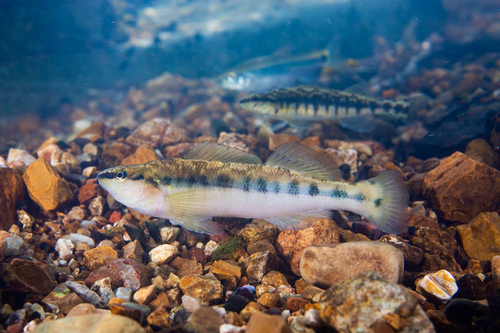
You might spot Blackbanded Darter and Cope's Gray Tree Frog.
View guide →

Delaware, US
You might spot Red Fox, Citrus Flatid Planthopper, and American Toad.
View guide →

Maryland, US
You might spot Mountain Laurel, American Pokeweed, and Broad-Headed Skink.
View guide →
Take the discovery with you
Snap it with Snappit to identify it, learn what makes it special, and add the discovery to your collection.








.jpg&width=800)



_001.jpg&width=800)




