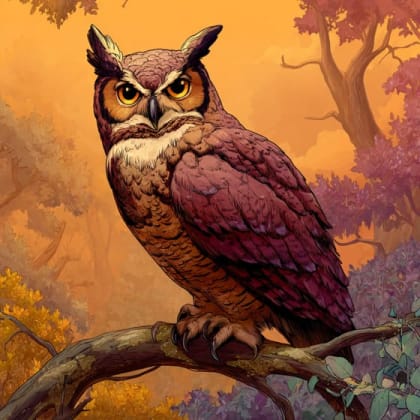





Great Horned Owl

Step back in time at Sod House Ranch, a preserved 19th-century cattle ranch in Oregon.
Step back in time at Sod House Ranch, a preserved 19th-century cattle ranch in Oregon. Located within the scenic Malheur National Wildlife Refuge, this historic complex served as the northern headquarters for the vast French-Glenn Livestock Company, one of the largest cattle empires in the American West. The ranch offers a unique opportunity to explore well-preserved structures from a bygone era, providing a tangible connection to the rugged spirit of early Oregon ranchers and the legendary cattle baron Peter French.
Visitors can wander among a collection of original buildings constructed between the 1880s and 1900, including a massive long barn, a two-story buckaroo bunkhouse, and a distinctive stone cellar. Historic ranch implements are also on display, offering insight into the daily operations of a working cattle ranch. Beyond the historical structures, the ranch is surrounded by immense cottonwood trees planted in 1892, which now host active rookeries for magnificent great blue herons and double-crested cormorants, blending cultural heritage with vibrant natural beauty.
Sod House Ranch is more than just a collection of old buildings; it's an immersive experience that transports you to a pivotal period in Oregon's development. It provides an authentic glimpse into the ranching lifestyle and the challenges faced by pioneers, all set against the breathtaking backdrop of the Malheur National Wildlife Refuge. Whether you're a history enthusiast, a birdwatcher, or simply seeking a tranquil escape, the ranch offers a memorable and educational journey into the heart of the Old West. Be ready to snap and learn! Get the Snappit app to identify any nature species you find here.
The Sod House Ranch holds significant historical importance as a sub-headquarters of the French-Glenn Livestock Company, established by the prominent 19th-century cattle baron Peter French. French, sent to Oregon in 1872 by Dr. Hugh Glenn, rapidly expanded his cattle empire, eventually controlling over 140,000 acres across the Harney Basin. The ranch's name originates from a rudimentary sod house built by early trappers and travelers in the 1880s, which served as a landmark. The current structures at the ranch were built between the early 1880s and 1900 under the supervision of ranch foreman Emanuel Clark. After French's murder in 1897 over a land dispute, the ranch eventually came under the ownership of the United States Government in 1935, when it was purchased to expand the Malheur National Wildlife Refuge. Today, the eight remaining buildings are listed on the National Register of Historic Places, preserving a vital piece of Oregon's ranching heritage.
Take a self-guided tour of the historic ranch buildings, photograph the unique architecture, observe nesting birds, and enjoy panoramic views of Malheur Lake and the surrounding wildlife refuge.
The ranch is closed outside its August 15th to October 1st season to protect colonial nesting birds. Visitors during the open season can expect warm to cool temperatures in late summer and early fall in southeastern Oregon.
Trails and interpretive media are available throughout the historic ranch. Visitors should anticipate natural terrain, which may include uneven surfaces.
Explore the impressive Long Barn, the Buckaroo Bunkhouse, and the unique Stone Cellar, which still bears the French-Glenn brand. Discover antique ranch implements and learn about the ranching lifestyle through interpretive exhibits. Don't miss the thriving rookeries of great blue herons and double-crested cormorants in the historic cottonwood trees.
Each card links to a full Explore page with photos, traits, and fun facts.
Start with the big picture, then zoom in to explore individual wildlife observations around this place.
Check the operating season
** Verify that your visit falls between August 15th and October 1st, as the ranch has a limited open period.
Wear comfortable shoes
The site involves walking on natural terrain and around historic buildings.
Bring binoculars
The cottonwood trees are home to active bird rookeries, offering excellent birdwatching opportunities for species like great blue herons and double-crested cormorants.
Carry water and snacks
Facilities on-site are limited, so it's wise to bring your own refreshments.
Plan for photography
Early morning or late afternoon light can enhance photographs of the historic structures and natural landscapes.
Visit the Malheur National Wildlife Refuge Visitor Center: Located nearby, the Visitor Center can provide additional context, maps, and information about the wider refuge.
Jun 16, 2026
Jun 16, 2026
Jun 16, 2026
Jun 13, 2026
Jun 13, 2026

Maryland, US
You might spot White-Tailed Deer and Eastern Gray Squirrel.
View guide →
.jpg)
District of Columbia, US
You might spot Eastern Gray Squirrel, Duck, and House Sparrow.
View guide →

Illinois, US
You might spot American Robin, Canada Goose, and House Sparrow.
View guide →

Virginia, US
You might spot Spotted Lanternfly and Northern Cardinal.
View guide →
Take the discovery with you
Identify the wildlife you spot, learn as you go, and keep a collection of the adventure.

























.jpg&width=800)