





Black-spined Pricklypear
Opuntia macrocentra
The Black-spined Pricklypear is a fun cactus with bright yellow flowers and sharp spines. It grows in the desert and can survive in very hot places. This cactus is great for animals looking for food and shelter!
Habitat: Desert
The Black-spined Pricklypear is a striking cactus with flat, rounded pads that can range from green to a deep purplish hue. It has very long, dark, often black spines that stand out, unlike the lighter spines of other pricklypears. Its bright yellow flowers often feature a reddish center.
Category
PlantsRarity
Common
Danger
2/5 · Low
Snaps
Be the first to snap!
Its pads change color to deep purple in cold weather, like a plant chameleon!
Some desert animals, like javelina, can eat the spiny pads and fruit without getting hurt!
The fruit, called 'tuna', tastes like watermelon and pear and is full of vitamin C!
This cactus can sprout new plants just from a piece of its pad that falls on the ground.
Black-spined Pricklypear has thick, fleshy pads that can store large amounts of water, helping it survive long droughts.
Black-spined Pricklypear has sharp, dark spines and tiny, barbed glochids that powerfully defend it from hungry animals.
Black-spined Pricklypear can turn its pads a vibrant purple in cold weather, protecting its cells from damage.
Apis mellifera
Gathers nectar and pollen from its flowers.

Pecari tajacu
Consumes its fruit and pads, even with spines.
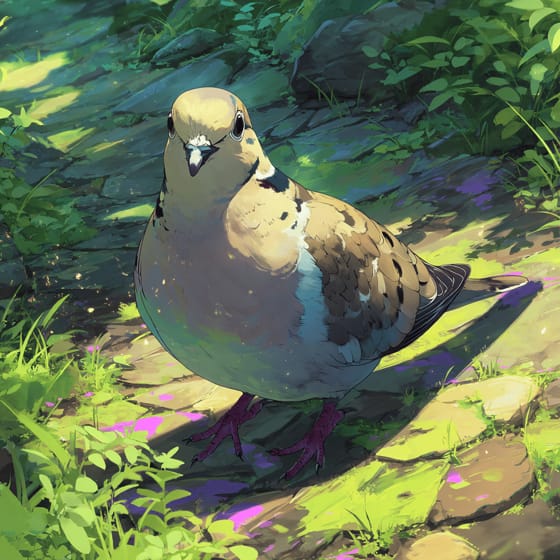
Zenaida macroura
Often nests within its thorny clumps for protection.

Bombus sonorus
Visits its bright yellow flowers for nectar.
Ornamental plants are cultivated primarily for their aesthetic appeal, enhancing landscapes and gardens with their attractive foliage, flowers, or form.
Spring blooming plants produce their flowers during the spring season, often signifying the end of winter and the start of new growth.
Fruit-bearing plants produce fruits, which are the mature ovaries of flowering plants containing seeds.
Drought-tolerant plants can survive and flourish in conditions with limited water availability.

Succulent plants have thickened, fleshy parts, usually leaves or stems, adapted to store water in arid climates.

Edible plants are those parts of a plant that are considered safe for human consumption.

Desert habitats are arid regions characterized by extremely low precipitation and often extreme temperatures, supporting specialized flora and fauna.

Possessing sharp, pointed projections or spines on the body or surface.
No aliases listed yet.
Danger
2/5 · Low
Be careful around cacti! Their spines can hurt if you touch them.
The easiest way to identify Black-spined Pricklypear is to use the Snappit nature identifier app.
50-150 cm
100-200 cm
5-8 cm
Spring to early Summer
Yes
Mild
Perennial
Zoom in to split clusters and explore where this object has been snapped.
Recent snaps will appear here as new observations are added.
Take the discovery with you
Snap it with Snappit to identify it, learn what makes it special, and add the discovery to your collection.









.jpg&width=800)



_001.jpg&width=800)



