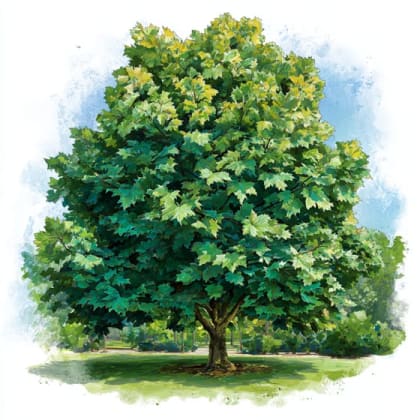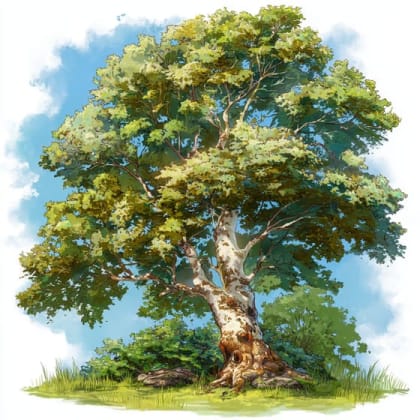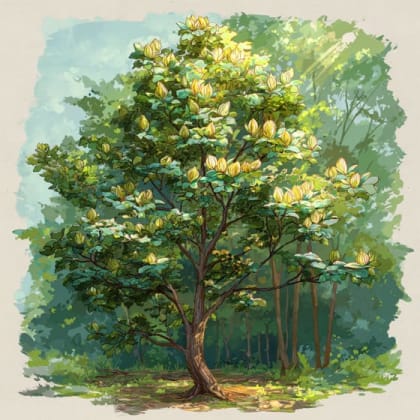





Tulip Tree

Step back in time at the Historic Moravian Bethlehem Historic District, a recently designated UNESCO World Heritage Site.
Step back in time at the Historic Moravian Bethlehem Historic District, a recently designated UNESCO World Heritage Site. This unique district preserves an intact 18th-century Moravian settlement, offering a remarkable glimpse into colonial American life and an enduring legacy of community and innovation. With its significant collection of original buildings and historic streetscapes, it stands as an outstanding example of Moravian architecture and town planning, making it a truly special destination.
Explore a wealth of historically significant structures, including the 1741 Gemeinhaus, which houses the Moravian Museum of Bethlehem and is believed to be the largest 18th-century log structure in continuous use in the United States. Discover the Single Sisters' House, the Central Moravian Church with its impressive belfry, and the tranquil God's Acre Cemetery, where pioneers, Native Americans, and African-born Moravians are buried side-by-side, reflecting the community's progressive values. The Colonial Industrial Quarter, considered America's first industrial park, showcases the groundbreaking 1762 Waterworks—the first pumped municipal water system in North America—alongside the 1761 Tannery and 1750 Smithy.
Visiting the Historic Moravian Bethlehem Historic District is an immersive journey into a pivotal chapter of American history. Engage with the stories of a community founded on principles of education, equality, industry, integrity, and spirituality, values that resonate powerfully today. Whether strolling its historic streets, taking a guided tour, or admiring the distinctive architecture, this district offers a memorable experience that connects visitors with the past and the lasting influence of the Moravian Church. Enhance your adventure: download the Snappit app to identify the local species you encounter.
The Historic Moravian Bethlehem Historic District was established in 1741 by German Moravians, who sought to create a planned community in North America. This settlement quickly became the religious and administrative center for Moravian activities in the New World, playing a crucial role in both international and American Moravian communities. The Moravians were known for their progressive values, including universal education for all genders and races, and establishing many "firsts" in America, such as the first girls' school, the first municipal water system, and America's earliest industrial park. The district was designated a National Historic Landmark District in 2012 for its historical assemblage of communal religious buildings and history. In a monumental recognition of its global significance, the Historic Moravian Bethlehem District was inscribed on the UNESCO World Heritage List in July 2024. It joined other Moravian Church Settlements in Denmark, Germany, and the United Kingdom as a transnational serial property, highlighting the worldwide influence and outstanding universal value of these historic communities.
Engage in guided walking tours led by docents in period attire, which provide in-depth stories and access to some interiors. Wander the historic streets, explore the various museums, and appreciate the unique Moravian architecture. Self-guided heritage trails are also available.
The holiday season is particularly vibrant, with events like the "Christmas City Stroll" and the "Trees of Historic Bethlehem" exhibition. Specific walking tours, like the "Death & Dying Cemetery Tour," are offered in the fall.
While historic buildings present inherent challenges, Historic Bethlehem Museums & Sites strives to make many of its locations wheelchair accessible. Visitors are encouraged to check with individual sites or the Visitor Center for specific accessibility information.
Explore Bethlehem's oldest building, which once housed the entire community and served as a place of worship, school, and hospital.
Admire the Federal-style architecture of the 1806 church and visit the older chapel where historic figures like George Washington and Benjamin Franklin once worshipped.
Discover America's first industrial park, featuring the 1762 Waterworks, 1761 Tannery, and 1750 Smithy.
Experience the serene and historically significant burial ground that exemplifies Moravian principles of equality in death.
Each card links to a full Explore page with photos, traits, and fun facts.
Start with the big picture, then zoom in to explore individual wildlife observations around this place.
Wear comfortable walking shoes
** The district is best explored on foot, and many tours involve significant walking.
Opt for a guided tour
Docent-led tours provide invaluable historical context and access to the interior of several historic buildings.
Start at the Visitor Center
Obtain maps, tour information, and expert advice to plan your visit effectively.
Explore the Colonial Industrial Quarter
Don't miss this pioneering area along Monocacy Creek, which highlights Moravian ingenuity.
Check the events calendar
Special exhibitions, seasonal tours (like Christmas City events), and living history demonstrations enhance the visitor experience.
Allow ample time
With numerous buildings and sites, dedicate at least a half or full day to fully appreciate the district's rich history.
Jun 19, 2026
Jun 19, 2026
Jun 19, 2026
Jun 19, 2026
Jun 19, 2026

Maryland, US
You might spot White-Tailed Deer and Eastern Gray Squirrel.
View guide →
.jpg)
District of Columbia, US
You might spot Eastern Gray Squirrel, Duck, and House Sparrow.
View guide →

Illinois, US
You might spot American Robin, Canada Goose, and House Sparrow.
View guide →

Virginia, US
You might spot Spotted Lanternfly and Northern Cardinal.
View guide →
Take the discovery with you
Identify the wildlife you spot, learn as you go, and keep a collection of the adventure.