





Blaesodiplosis
Blaesodiplosis
Blaesodiplosis is a tiny insect that loves to live on plants. They are very small and can be hard to see, but they play an important role in nature by helping plants grow.
Habitat: Forests
The Blaesodiplosis is a very tiny, delicate fly with a mosquito-like appearance. It typically has a slender body with long, spindly legs and translucent, often hairy wings. Its coloration is usually drab, ranging from pale brown to reddish or yellowish hues, making it blend in with its surroundings.
Category
InsectsRarity
Common
Danger
1/5 · Very low
Snaps
Be the first to snap!
Even though they look like tiny mosquitoes, they don't bite humans or animals.
Gall midges are one of the most diverse fly families, with thousands of species!
The galls they create can be tiny bumps or elaborate, colorful structures on leaves.
Their larvae trick plants into building them a cozy, food-filled home called a gall!
Blaesodiplosis larvae can manipulate plant growth to create a protective, food-rich home called a gall because they inject growth-altering chemicals.
Blaesodiplosis larvae have specialized mouthparts that help them feed exclusively on the nutritious inner tissues of their plant galls.
Blaesodiplosis adults can identify very specific host plants for laying eggs because they use their antennae to sense unique plant chemicals.
Blaesodiplosis larvae eat plant tissue inside protective galls they create.
Age differences: Adults may consume nectar or honeydew, but larvae feed exclusively on specific plant tissues.
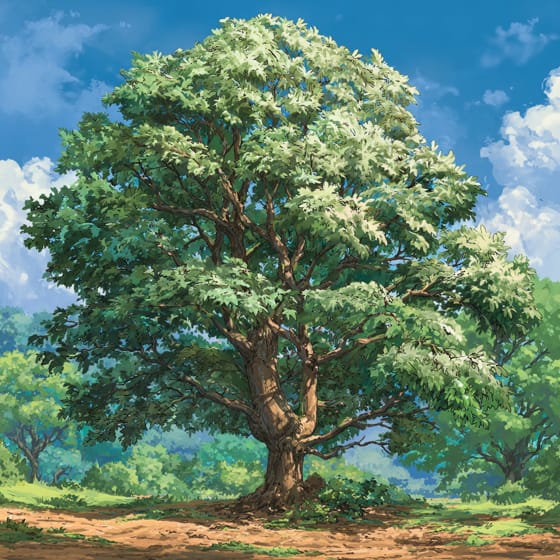
Fraxinus americana
Specific Blaesodiplosis species induce galls on its leaves for shelter and food.

Rhamnus cathartica
Some midge species form distinctive galls on its foliage for larval development.
Phidippus audax
Jumping spiders are generalist predators that may consume adult midges.
Solitary animals live alone for most of their lives, only interacting with others for mating or parental care.
This trait characterizes organisms whose diet consists entirely or primarily of plant material.
Describes a relationship between two different species where they live in close association, often benefiting one or both.
Forest habitats are terrestrial environments dominated by dense tree cover, supporting a high diversity of plant and animal life.

Diurnal animals are primarily active during daylight hours, typically resting or sleeping at night.

Describes a species whose presence and role have a disproportionately large effect on its environment.

Pertaining to species that are significantly smaller than typical or average for their kind.

Describes organisms that transfer pollen, enabling the fertilization and reproduction of plants.
No aliases listed yet.
Danger
1/5 · Very low
These insects are not harmful, but it's best to look and not touch them.
The easiest way to identify Blaesodiplosis is to use the Snappit nature identifier app.
2-6 mm
1-3 mm
5-15 days
Blaesodiplosis larvae eat plant tissue inside protective galls they create.
Forests
6
Zoom in to split clusters and explore where this object has been snapped.
Recent snaps will appear here as new observations are added.
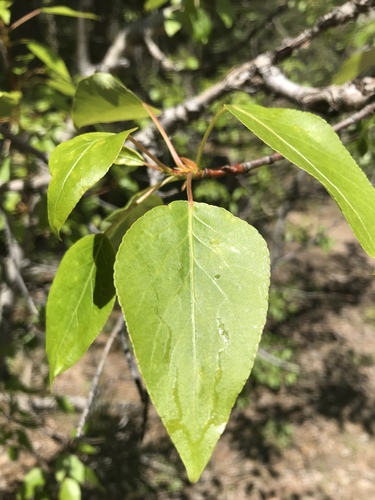
British Columbia, CA
You might spot Black Cottonwood, Oregon Grape, and Showy Milkweed.
View guide →
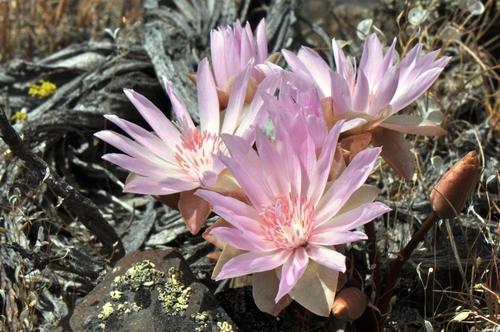
British Columbia, CA
You might spot Bitterroot, Arrowleaf Balsamroot, and Western Stoneseed.
View guide →

British Columbia, CA
You might spot Shinyleaf Meadowsweet, Northern Checkerspot, and Fireweed.
View guide →

British Columbia, CA
You might spot Brown Elfin, Bearberry, and Black Cottonwood.
View guide →
Take the discovery with you
Snap it with Snappit to identify it, learn what makes it special, and add the discovery to your collection.







.jpg&width=800)


