





Blanchard's Cricket Frog
Acris blanchardi
Blanchard's Cricket Frog is a small, lively frog that loves to jump around! They are known for their cheerful calls that sound like crickets. These frogs are great at blending in with their surroundings.
Habitat: Wetlands
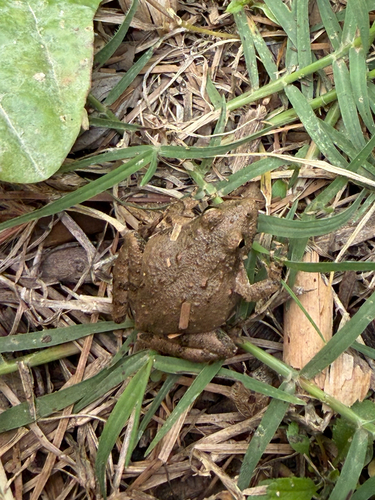
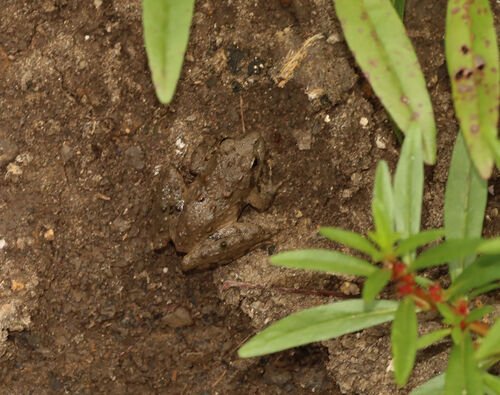
The Blanchard's Cricket Frog is a tiny amphibian, typically brown or grey, often with green or reddish markings and a distinctive dark triangular spot between its eyes. Its warty skin and long, slender legs are characteristic, making it look different from smoother, broader frogs.
Category
AmphibiansRarity
Common
Danger
1/5 · Very low
Snaps
15
Blanchard's Cricket Frogs can hibernate underground or under logs to survive cold winters!
Their rough, warty skin helps them absorb water directly; they don't need to drink!
These tiny frogs have eyes placed on top of their head, giving them a wide view!
Unlike many frogs, the males do not have an external vocal sac, yet still chirp loudly!
Blanchard's Cricket Frog can leap many times its body length because of its powerful hind legs, helping them escape danger quickly.
Blanchard's Cricket Frog can change its skin color to blend into its surroundings, helping them hide from predators.
Blanchard's Cricket Frog makes unique chirping calls that sound just like crickets, helping them attract mates.
These tiny hunters gobble up all sorts of small insects and other invertebrates from land and water.
Age differences: Tadpoles primarily feed on algae and detritus, while adults are exclusively carnivorous.
Lithobates catesbeianus
Large bullfrogs prey on juvenile cricket frogs.
Thamnophis sirtalis
Garter snakes are common predators of these small amphibians.
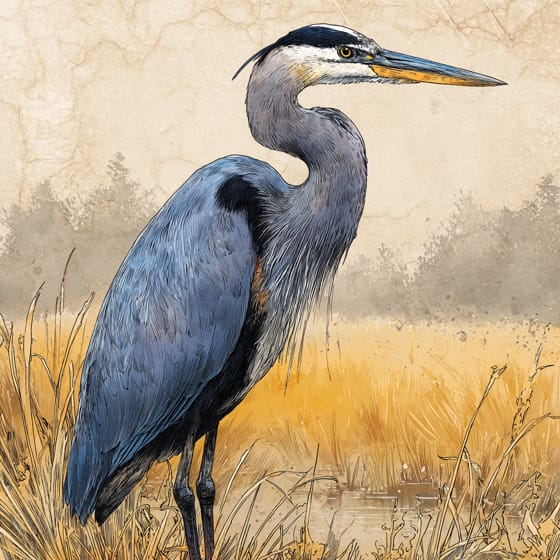
Ardea herodias
Herons hunt small frogs near water's edge.
Dytiscus marginalis
Adult diving beetles and their larvae can prey on tadpoles.
Marked with spots or patches of a different color.
Singing animals produce complex vocalizations, often for purposes of attracting mates, defending territory, or communicating within their species.
Camouflaged describes organisms that possess coloring or patterns that allow them to blend into their environment.
This trait identifies organisms whose diet primarily consists of insects and other small invertebrates.

This habitat trait identifies species found in wetlands, which are areas of land saturated with water, either permanently or seasonally, including marshes, swamps, and bogs.

Diurnal animals are primarily active during daylight hours, typically resting or sleeping at night.

This trait identifies organisms that exhibit exceptional swiftness in movement for hunting, escape, or travel.

Aquatic habitats encompass environments where organisms live predominantly in water, including oceans, rivers, lakes, and wetlands.

Endangered status indicates a species is at a very high risk of extinction in the wild in the near future.
No aliases listed yet.
Danger
1/5 · Very low
Always watch where you step near water, as frogs can be slippery and quick!
The easiest way to identify Blanchard's Cricket Frog is to use the Snappit nature identifier app.
1.5-3.8 cm
0.002-0.005 kg
1-4 years
These tiny hunters gobble up all sorts of small insects and other invertebrates from land and water.
Wetlands
Ambush
100-500
Zoom in to split clusters and explore where this object has been snapped.
Apr 26, 2026
Honor Heights ParkPhoto attribution
(c) Felix Blesch, some rights reserved (CC BY)
License: CC BY 4.0 ↗
Image may be shown cropped inside the card frame.
Sep 9, 2025
Marked Tree Lock and SiphonsPhoto attribution
(c) hr_dragonfly, some rights reserved (CC BY)
License: CC BY 4.0 ↗
Image may be shown cropped inside the card frame.

Missouri, US
You might spot Common Eastern Bumble Bee and Brown-Belted Bumble Bee.
View guide →

Indiana, US
You might spot Eastern Fox Squirrel, Duck, and Canada Goose.
View guide →

Arkansas, US
You might spot Green Treefrog, Blue-Fronted Dancer, and Question Mark.
View guide →

Kansas, US
You might spot Cotton-Top Tamarin, American Bison, and Cougar.
View guide →

Texas, US
You might spot Reticulated Giraffe, Grant's Zebra, and Ostrich.
View guide →
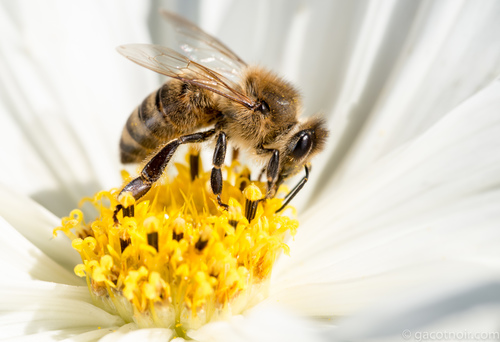
Missouri, US
You might spot Bee and Common Eastern Bumble Bee.
View guide →
Take the discovery with you
Snap it with Snappit to identify it, learn what makes it special, and add the discovery to your collection.








.JPG&width=800)


.jpg&width=800)

