.jpg&width=800)





mock strawberry
Potentilla indica
Mock strawberries are small plants that look like real strawberries but are not edible. They have bright green leaves and pretty yellow flowers that turn into tiny red fruits.
Habitat: Urban areas
The mock strawberry is a low-growing plant with trifoliate leaves, resembling true strawberries. It has distinctive small, solitary yellow flowers and produces round, bright red fruits with visible seeds on their surface.
Category
PlantsRarity
Common
Danger
1/5 · Very low
Snaps
87
Its scientific name, *Potentilla indica*, means 'from India,' where it originally came from!
Look closely! Unlike true strawberries with white flowers, this plant boasts tiny yellow blossoms!
Real strawberries hide their seeds inside; mock strawberries wear them on the outside!
Though perfectly safe to eat, its red fruits are quite bland and don't taste much like berries!
Mock strawberry can grow long runners, or stolons, that spread out and root, helping it quickly cover ground.
It has bright red fruits that attract birds and small animals, which then help disperse its tiny seeds.
In milder climates, its leaves stay green all year, allowing it to keep making food even in winter.
Apis mellifera
Collects nectar and pollen from flowers.
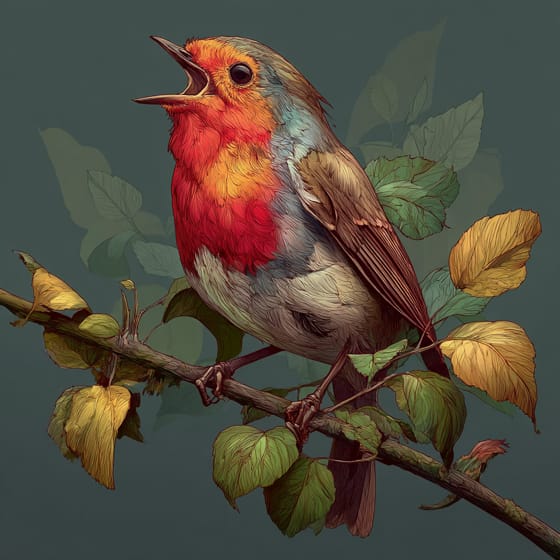
Turdus migratorius
Feeds on the small red fruits.
.JPG&width=800)
Sylvilagus floridanus
Browses on its leaves and stems.
Deciduous plants periodically shed all their leaves, typically during autumn or dry seasons.
Flowering plants are any plants that produce flowers as part of their reproductive cycle.
Fruit-bearing plants produce fruits, which are the mature ovaries of flowering plants containing seeds.
Describes plants that are particularly attractive and beneficial to a wide range of pollinating organisms.

Rapid growing plants exhibit accelerated growth rates, quickly increasing in size and biomass within a short period.

This habitat trait indicates species that can coexist with humans in urban and suburban environments, utilizing man-made structures and green spaces.

Invasive species are non-native organisms that cause harm to the environment, economy, or human health.
No aliases listed yet.
Danger
1/5 · Very low
Don't eat the fruit, as it's not safe like real strawberries.
The easiest way to identify mock strawberry is to use the Snappit nature identifier app.
5-15 cm
30-100 cm
1-2 cm
Spring to fall
Yes
None
Perennial
Zoom in to split clusters and explore where this object has been snapped.

Ohio, US
You might spot Eastern Fox Squirrel and Spotted Lanternfly.
View guide →

Tennessee, US
You might spot House Sparrow, Northern Mockingbird, and Gulf Fritillary.
View guide →
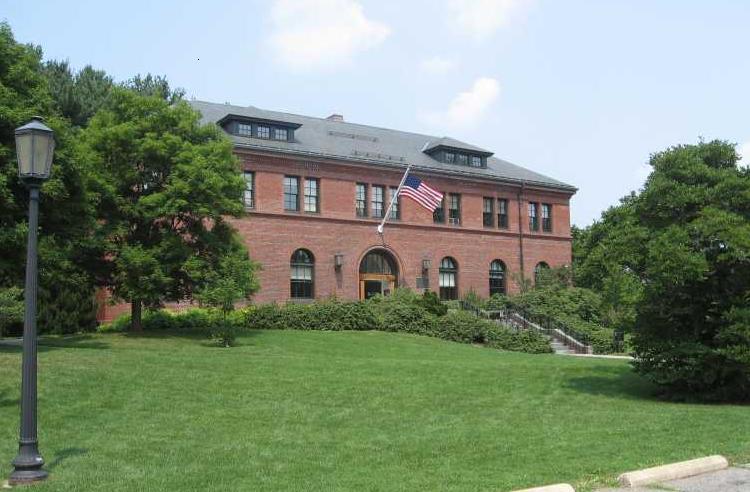
Massachusetts, US
You might spot Eastern Cottontail and American Robin.
View guide →

Pennsylvania, US
You might spot American Robin, Red-Winged Blackbird, and Lesser Celandine.
View guide →

Missouri, US
You might spot Common Eastern Bumble Bee and Brown-Belted Bumble Bee.
View guide →

Oregon, US
You might spot Duck, Pacific Trillium, and Wood Duck.
View guide →
Take the discovery with you
Snap it with Snappit to identify it, learn what makes it special, and add the discovery to your collection.







.jpg&width=800)


_001.jpg&width=800)




