


Blueberries, Cranberries, And Allies
vaccinium
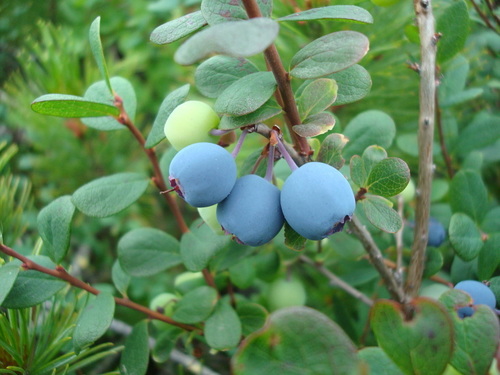
The genus Vaccinium represents an incredibly diverse and culturally significant group of woody shrubs that includes beloved wild and cultivated fruits like blueberries, cranberries, huckleberries, and lingonberries. Thriving primarily in the acidic, nutrient-poor soils of the Northern Hemisphere, these plants have adapted wonderfully to harsh environments ranging from subarctic tundras to temperate peat bogs. They are easily recognized by their delicate, bell-shaped flowers and their abundant, nutrient-dense berries, which provide a vital food source for countless wildlife species and humans alike. Whether sprawling low to the forest floor or growing into towering highbush shrubs, Vaccinium species are ecological powerhouses that play a fundamental role in their native ecosystems, supporting pollinators in spring and sustaining foraging mammals and birds throughout the late summer and autumn.
Habitat: Found in acidic, nutrient-poor soils, including heathlands, bogs, moors, peatlands, and the understory of coniferous or mixed forests.
Members of the Vaccinium genus typically grow as woody, perennial shrubs or subshrubs ranging from just 10 centimeters to over 4 meters in height. They feature simple, alternate leaves that are often oval or elliptic, with some species displaying evergreen foliage and others turning vibrant shades of red and gold in the autumn. Their distinctive flowers are small, bell- or urn-shaped, usually white, pink, or pale green, hanging downward in delicate clusters. These blooms develop into fleshy, spherical berries that range in color from deep indigo-blue and scarlet-red to black, often coated with a protective, waxy white powdery coating known as epicuticular wax or 'bloom'.
Category
PlantsRarity
Common
Danger
1/5 · Very low
Snaps
Be the first to snap!
Cranberries have tiny pockets of air inside them, which allows them to float on water, making water-harvesting a common agricultural practice.
Some wild lowbush blueberry colonies are estimated to be over 100 years old, spreading slowly across forest floors via underground root networks.
The white, powdery coating on blueberries is called 'bloom,' which acts as a natural waterproof barrier and protects the fruit from insects and bacteria.
Vaccinium species form close mutualistic relationships with ericoid mycorrhizal fungi, allowing them to absorb nutrients from highly acidic, nutrient-poor soils where other plants cannot survive.
The berries produce a natural waxy coating (epicuticular wax) that repels water, prevents moisture loss, and protects the delicate skin of the fruit from fungal pathogens.
Many wild Vaccinium species can spread via underground rhizomes, forming vast clonal colonies that can survive forest fires and regenerate rapidly from underground roots.
Like most plants, Vaccinium species generate their own food through photosynthesis, utilizing sunlight, carbon dioxide, and water while absorbing essential soil nutrients through their roots with the help of specialized fungi.
Apis mellifera
Serves as a primary pollinator for many Vaccinium species, crucial for fruit set.

Ursus arctos
Consumes massive quantities of wild Vaccinium berries in late summer to build up fat reserves for winter hibernation.

Bonasa umbellus
Feeds heavily on the berries and buds of wild blueberries and cranberries as a vital food source.
No trait badges are assigned for this object yet.
No aliases listed yet.
Collections for this object will appear here as more themes are added.
Danger
1/5 · Very low
No special safety notes yet.
Compare how the fruit is clustered, the leaves and their arrangement, the stems and any thorns. Red, blue and black fruits grow on lots of unrelated plants, and the same color can show up on both edible and poisonous species. Berry Identifier: upload a photo and compare the visible details.
10+ cm
Like most plants, Vaccinium species generate their own food through photosynthesis, utilizing sunlight, carbon dioxide, and water while absorbing essential soil nutrients through their roots with the help of specialized fungi.
Found in acidic, nutrient-poor soils, including heathlands, bogs, moors, peatlands, and the understory of coniferous or mixed forests.
Zoom in to split clusters and explore where this object has been snapped.
Recent snaps will appear here as new observations are added.

British Columbia, CA
You might spot Western Rattlesnake Plantain and Shinyleaf Meadowsweet.
View guide →

British Columbia, CA
You might spot Blueberries, Cranberries, and Allies and Common Selfheal.
View guide →

Pennsylvania, US
You might spot Partridgeberry, Eastern Hemlock, and American Beech.
View guide →
British Columbia, CA
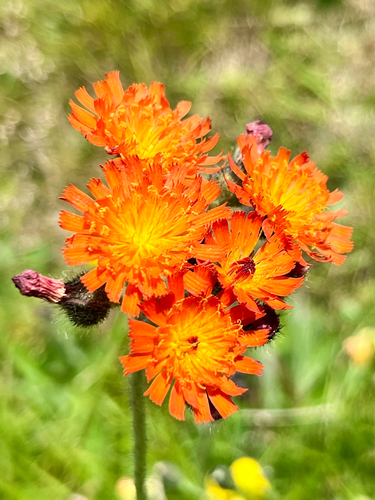
You might spot Orange Hawkweed, Shinyleaf Meadowsweet, and Columbia Lily.
View guide →
Take the discovery with you
Snap it with Snappit to identify it, learn what makes it special, and add the discovery to your collection.

















