





Baldhip Rose
Rosa gymnocarpa
The Baldhip Rose is a lovely little shrub with bright pink flowers. It grows in forests and has small, tasty fruits that animals love to eat!
Habitat: Forests
The Baldhip Rose is a small, upright shrub with slender stems often covered in sharp prickles. It has small, simple pink flowers with five petals. Its distinctive feature is its smooth, hairless, bright red hips, which gives it its 'baldhip' name.
Category
PlantsRarity
Common
Danger
1/5 · Very low
Snaps
5
It's a pioneer plant, often one of the first to grow in disturbed forest areas!
Its 'hips' are like tiny fruit snacks, packed with more Vitamin C than oranges!
The name 'Baldhip' comes from its fruit, which is super smooth, not hairy!
This rose is native to western North America, growing wild in its amazing forests.
Baldhip Rose has sharp prickles that help it defend against hungry browsers like deer, keeping its tasty leaves safe.
Baldhip Rose produces bright red, vitamin-rich hips that attract birds, helping the plant spread its seeds far and wide.
Baldhip Rose can spread underground using root-like stems, helping it colonize new patches of forest quickly.
Deciduous plants periodically shed all their leaves, typically during autumn or dry seasons.
Flowering plants are any plants that produce flowers as part of their reproductive cycle.
Shade tolerant plants are adapted to grow and thrive in areas with low light levels, requiring less direct sunlight.
A shrub is a woody plant smaller than a tree, typically with multiple stems branching from or near the ground.

Fruit-bearing plants produce fruits, which are the mature ovaries of flowering plants containing seeds.

Edible plants are those parts of a plant that are considered safe for human consumption.

Describes plants that are particularly attractive and beneficial to a wide range of pollinating organisms.

Forest habitats are terrestrial environments dominated by dense tree cover, supporting a high diversity of plant and animal life.
No aliases listed yet.
Danger
1/5 · Very low
Don't eat any plants without asking an adult first!
The easiest way to identify Baldhip Rose is to use the Snappit nature identifier app.
50-250 cm
50-250 cm
2-3 cm
Spring_summer
Yes
None
Perennial
Zoom in to split clusters and explore where this object has been snapped.

Washington, US
You might spot Pacific Banana Slug and Oregon Forestsnail.
View guide →

Washington, US
You might spot Thimbleberry, Modesty, and Arctic Butterbur.
View guide →

Oregon, US
You might spot Great Egret, Great Blue Heron, and Bald Eagle.
View guide →
Washington, US
You might spot Cascade Oregon-Grape, Oregon Anemone, and Bride's Bonnet.
View guide →
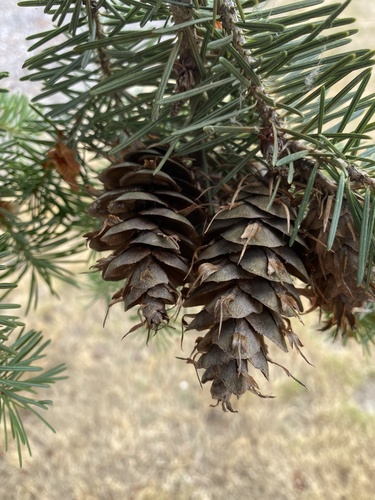
British Columbia, CA
You might spot Douglas Fir, Purple Foxglove, and Oregon Oak.
View guide →

British Columbia, CA
You might spot Douglas Fir, Oregon Oak, and Purple Foxglove.
View guide →
Take the discovery with you
Snap it with Snappit to identify it, learn what makes it special, and add the discovery to your collection.







.jpg&width=800)



_001.jpg&width=800)


