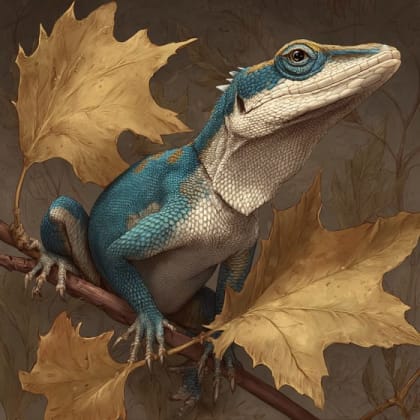





Anole

Step back in time through Attalla's captivating Downtown Historic District.
Step back in time through Attalla's captivating Downtown Historic District. This charming area, established along the Alabama and Chattanooga Railroad in 1870, became a vital iron ore export center and boasts a rich architectural tapestry reflecting its resilient history. It holds the distinction of being the first city in the United States to illuminate its streets with hydroelectric power.
The district's character was largely shaped after devastating fires in the late 19th century, leading to a rebuilding effort primarily in durable brick. Visitors can admire a fascinating blend of architectural styles, from the ornate Folk Victorian designs of the 1880s and 1890s, characterized by corbelled cornices, to the more streamlined Commercial Brick styles, and even notable examples of Art Moderne and Colonial Revival architecture. Wander along 5th Avenue and 4th Street to discover a collection of beautifully preserved buildings, each telling a part of Attalla's story.
More than just a collection of old buildings, the Attalla Downtown Historic District is a living testament to a bygone era, now bustling with antique shops, specialty boutiques, and local eateries. It offers a unique opportunity to immerse oneself in local history while discovering hidden treasures and enjoying Southern hospitality. Whether you're a history enthusiast, an architecture admirer, or a casual shopper, the district provides a memorable glimpse into Alabama's past and present. Explore the grounds like a pro—download the Snappit app to instantly identify animals and plants.
The area that is now Attalla was originally home to Native American settlements, significant during the Creek War. The town of Attalla itself was founded in 1870, spurred by the completion of the Wills Valley Railroad, which transformed it into a bustling hub for trade and industry, particularly iron ore export. Its name, "Attalla," is derived from a Cherokee word meaning "my home" or "mountain." Tragedy struck in 1887 and 1891 with significant fires that destroyed many of the downtown's original wooden structures. However, this led to a rebuilding phase utilizing brick, which contributed to the enduring architectural character seen today. A particularly notable innovation in Attalla's history was the invention of the first hydroelectric plant for lighting an entire town by W. P. Lay in 1887, an achievement that paved the way for the creation of Alabama Power. The Attalla Downtown Historic District was officially listed on the Alabama Register of Landmarks and Heritage in 2011 and subsequently on the National Register of Historic Places in 2013, recognizing its significant historical and architectural value.
Admire the diverse architectural styles of the historic buildings.
* Browse the numerous antique and specialty shops for unique finds and souvenirs.
* Explore local art and handmade goods at places like Makers Emporium South and 31:13 Quilting and Embroidery.
* Enjoy a meal or snack at one of the local eateries.
* Keep an eye out for historical markers that share stories of Attalla's past.
Summers can be hot and humid, while winters are generally mild. Check local event listings for any seasonal festivals or markets that might enhance your visit.
The downtown area generally features paved sidewalks, making it largely wheelchair accessible for exploring the streetscapes and shops.
The district itself is the main exhibit, showcasing late 19th and early 20th-century architecture. Specific architectural highlights include the Colonial Revival U.S. Post Office building, the Art Moderne Etowah Theatre (now Country Music Opera House), and various Folk Victorian and Commercial Brick structures with distinctive details along 5th Avenue and 4th Street.
Each card links to a full Explore page with photos, traits, and fun facts.
Start with the big picture, then zoom in to explore individual wildlife observations around this place.
Wear comfortable shoes, as you'll be doing a fair amount of walking to appreciate all the historic buildings and shops.
Bring a camera to capture the distinctive architecture and charming streetscapes.
Allow extra time for browsing the antique shops, as many visitors find themselves enchanted by the unique finds.
Support local businesses by dining at one of the district's local restaurants or cafes.
Look up to notice the details on the upper stories of buildings, such as corbelled cornices and ornate brickwork, which often reveal their age and style.
Consider combining your visit with other nearby attractions in Attalla or Etowah County.
May 13, 2026
May 10, 2026
Apr 18, 2026
Apr 10, 2026
Apr 5, 2026

Maryland, US
You might spot White-Tailed Deer and Eastern Gray Squirrel.
View guide →
.jpg)
District of Columbia, US
You might spot Eastern Gray Squirrel, Duck, and House Sparrow.
View guide →

Illinois, US
You might spot American Robin, Canada Goose, and House Sparrow.
View guide →

Virginia, US
You might spot Spotted Lanternfly and Northern Cardinal.
View guide →
Take the discovery with you
Identify the wildlife you spot, learn as you go, and keep a collection of the adventure.