





brittle bladderfern
Cystopteris fragilis
The brittle bladderfern is a lovely green plant that likes to grow in shady places. Its delicate leaves look like tiny fans and can be found in forests and along streams.
Habitat: Forests
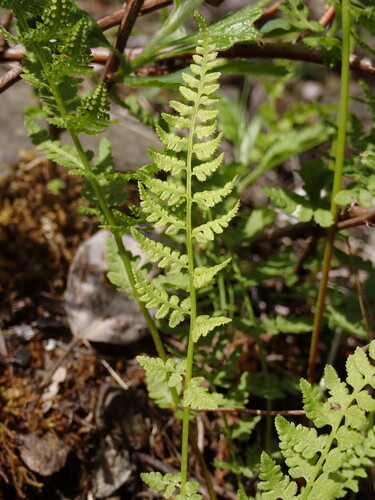
The brittle bladderfern has delicate, bright green, lacy fronds that are twice or thrice pinnate. Its triangular blades attach to slender, dark, brittle stems, giving it an airy appearance distinct from many other woodland ferns.
Category
PlantsRarity
Common
Danger
1/5 · Very low
Snaps
2
It's one of the fastest-growing ferns, quickly popping up new green fronds!
Look closely: it makes tiny, dust-like spores instead of seeds to grow!
This fern can grow in super cold places, even way up high in mountains!
Wow! Its name 'fragilis' means fragile because its leaf stalks break easily!
Brittle bladderfern can quickly regrow new fronds from its underground rhizome after damage or cold weather, aiding survival.
This fern produces vast numbers of tiny spores that are carried by wind, helping it spread widely without needing seeds or flowers.
It can anchor itself in small rock crevices and thrive in poor soil, helping it colonize places other plants can't.
Arion vulgaris
Slugs often graze on its delicate fronds.
Cepaea nemoralis
Snails can feed on young fern growth.
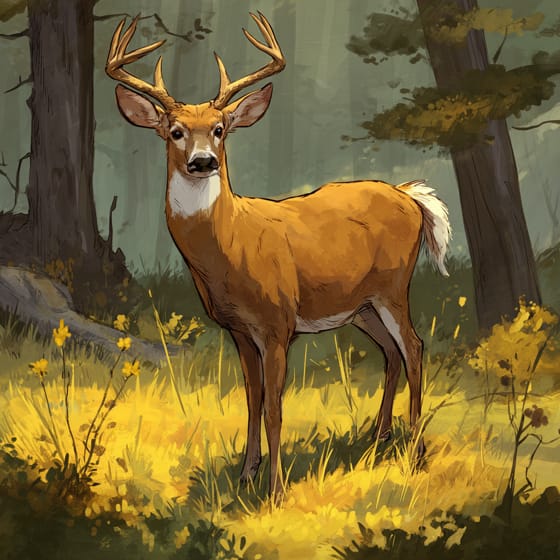
Odocoileus virginianus
Deer may occasionally browse fern fronds.
Deciduous plants periodically shed all their leaves, typically during autumn or dry seasons.
This trait characterizes plants lacking specialized vascular tissues (xylem and phloem) for transporting water and nutrients.
Shade tolerant plants are adapted to grow and thrive in areas with low light levels, requiring less direct sunlight.
Spore-producing organisms reproduce by releasing small, often single-celled, reproductive units called spores.

Forest habitats are terrestrial environments dominated by dense tree cover, supporting a high diversity of plant and animal life.
No aliases listed yet.
Danger
1/5 · Very low
Always look but don't touch plants unless you know they are safe.
The easiest way to identify brittle bladderfern is to use the Snappit nature identifier app.
10-40 cm
15-30 cm
Yes
None
Perennial
Forests
Zoom in to split clusters and explore where this object has been snapped.
May 6, 2026
Lower Cushman DamPhoto attribution
(c) elik03, some rights reserved (CC BY)
License: CC BY 4.0 ↗
Image may be shown cropped inside the card frame.

Washington, US
You might spot Barrow's Goldeneye and Pacific Banana Slug.
View guide →

Colorado, US
You might spot Rainbow Trout, Brown Trout, and Red Fox.
View guide →

Aragon, ES
You might spot Androsace Ciliata and Purple Saxifrage.
View guide →
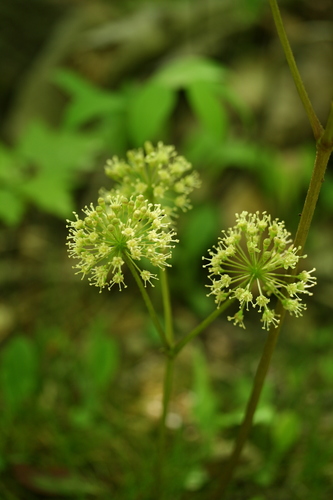
British Columbia, CA
You might spot Wild Sarsaparilla, Thimbleberry, and Oregon Boxwood.
View guide →
Take the discovery with you
Snap it with Snappit to identify it, learn what makes it special, and add the discovery to your collection.







.jpg&width=800)



_001.jpg&width=800)



