_focus_stacking-20241118-RM-211015.jpg&width=800)





Broad-bordered Yellow Underwing
Noctua fimbriata
The Broad-bordered Yellow Underwing is a beautiful moth with yellow and brown wings. It loves to fly around gardens and fields, especially at night when it's cooler.
Habitat: Grasslands
The Broad-bordered Yellow Underwing has forewings that vary from brown, grey, or reddish-brown with intricate patterns, making it blend in with bark or leaves. Its striking feature is the hindwings, which are bright yellow with a wide, distinct black border, making it visually different from many other moths.
Category
InsectsRarity
Common
Danger
1/5 · Very low
Snaps
1
It tastes sweet flower nectar using special sensors on its tiny feet!
It uses a long, straw-like tongue to sip sweet nectar from deep inside flowers!
Its caterpillars are often called cutworms because they snip young plant stems!
This moth can "shiver" its wings really fast to warm up for night flights!
Broad-bordered Yellow Underwing has bright yellow hindwings that helps them startle predators with a sudden flash of color.
Broad-bordered Yellow Underwing has drab, patterned forewings that help them blend perfectly with tree bark and foliage during the day.
Broad-bordered Yellow Underwing can fly and find food in the dark because of its specialized large eyes and keen senses.
Broad-bordered Yellow Underwing has feathery antennae that helps them detect distant flower scents and potential mates.
Adults sip flower nectar; caterpillars munch on a variety of leafy plants.
Age differences: Caterpillars eat plant leaves and stems, while adult moths feed solely on liquid nectar.
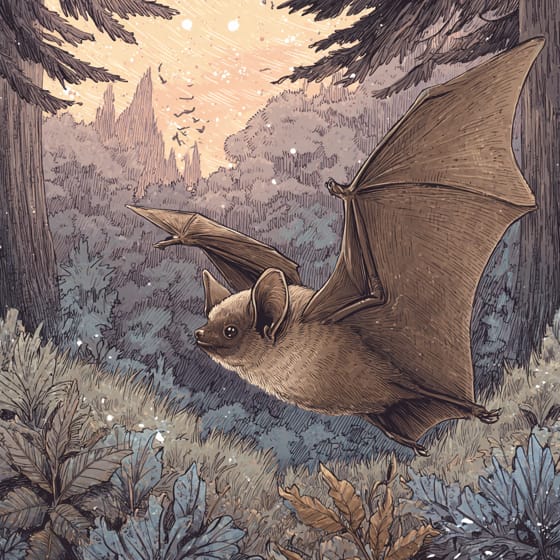
Myotis lucifugus
Moths are a common food source for nocturnal bats.
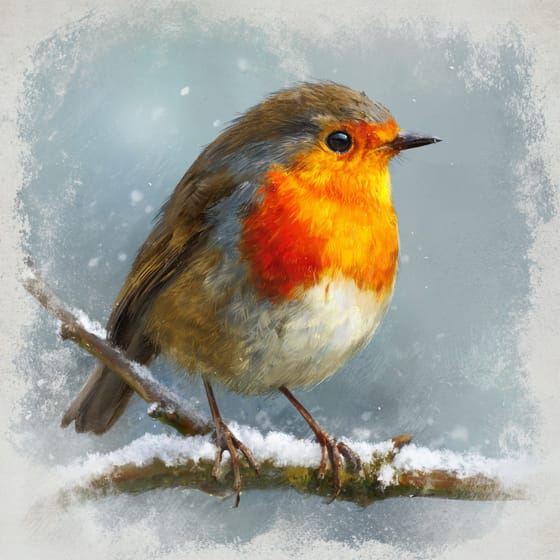
Erithacus rubecula
Birds prey on moths during their adult and larval stages.

Plantago major
Caterpillars feed on the leaves of this common plant.

Taraxacum officinale
Adult moths visit flowers, transferring pollen as they feed.
Solitary animals live alone for most of their lives, only interacting with others for mating or parental care.
Aerial creatures spend a significant portion of their lives airborne, utilizing flight for various activities such as hunting, migration, or nesting.
Colorful describes organisms or objects displaying a wide range of bright and distinct colors.
Grassland habitats are terrestrial biomes dominated by grasses and herbaceous plants, supporting a variety of grazing animals.

This trait characterizes organisms whose diet consists entirely or primarily of plant material.

Nocturnal animals are primarily active during the nighttime hours, typically resting or sleeping during the day.

Describes organisms that transfer pollen, enabling the fertilization and reproduction of plants.
No aliases listed yet.
Danger
1/5 · Very low
Moths are usually safe to watch, but don't touch them as they can be delicate.
The easiest way to identify Broad-bordered Yellow Underwing is to use the Snappit nature identifier app.
45-60 mm
20-25 mm
14-28 days
Adults sip flower nectar; caterpillars munch on a variety of leafy plants.
Grasslands
Foraging
6
Zoom in to split clusters and explore where this object has been snapped.
Take the discovery with you
Snap it with Snappit to identify it, learn what makes it special, and add the discovery to your collection.








.jpg&width=800)



