





burdocks
Arctium
Burdocks are tall plants with big, fuzzy leaves and purple flowers. They are known for their sticky seed heads that can cling to fur and clothes, making them fun to find in nature!
Habitat: Grasslands
The burdocks has very large, heart-shaped basal leaves that are deep green above and woolly white underneath. Its tall, branching stems bear distinctive purple, thistle-like flower heads that eventually become prickly, spherical burrs.
Category
PlantsRarity
Common
Danger
1/5 · Very low
Snaps
4
Burdock's deep roots can break up tough soil, helping other plants grow!
Burdock's sticky burrs inspired the invention of Velcro!
In Japan, burdock root is a popular vegetable called 'Gobo'!
Some burdock leaves can grow bigger than a dinner plate!
Burdock has hook-covered burrs that stick to fur or clothing, helping it spread seeds far from the parent plant.
Burdock grows a very long, strong taproot, allowing it to reach deep underground for water and nutrients.
Its enormous leaves create shade, helping burdock outcompete other plants for sunlight and growing space.
Bombus impatiens
Bumblebees visit burdock flowers for nectar and pollen.
Homo sapiens
People harvest burdock's young roots and leaf stalks as food.

Odocoileus virginianus
Deer sometimes browse on the tender young leaves of burdock.
Flowering plants are any plants that produce flowers as part of their reproductive cycle.
Biennial plants complete their life cycle over two growing seasons, typically forming foliage in the first year and flowering/seeding in the second.
Summer blooming plants produce their flowers during the summer season, often providing vibrant color when many other plants have finished.
Broadleaf trees are angiosperms characterized by flat, wide leaves that are typically shed annually in temperate climates.

Medicinal plants possess chemical compounds that can be used for therapeutic purposes to treat illnesses or maintain health.

Drought-tolerant plants can survive and flourish in conditions with limited water availability.

Edible plants are those parts of a plant that are considered safe for human consumption.

Grassland habitats are terrestrial biomes dominated by grasses and herbaceous plants, supporting a variety of grazing animals.

Describes plants that are particularly attractive and beneficial to a wide range of pollinating organisms.
Danger
1/5 · Very low
While burdocks are not harmful, be careful of their prickly seed heads when exploring.
The easiest way to identify burdocks is to use the Snappit nature identifier app.
50-200 cm
30-100 cm
2-4 cm
Summer to early fall
Yes
None
Biennial
Zoom in to split clusters and explore where this object has been snapped.

New York, US
You might spot Sea Lion, Red Panda, and North American River Otter.
View guide →

New York, US
You might spot Rock Pigeon, White Snakeroot, and Eastern Gray Squirrel.
View guide →

New York, US
You might spot Eastern Gray Squirrel, Common Mugwort, and American Robin.
View guide →

New York, US
You might spot Common Eastern Bumble Bee and American Robin.
View guide →

New York, US
You might spot Rock Pigeon, House Sparrow, and Spotted Lanternfly.
View guide →
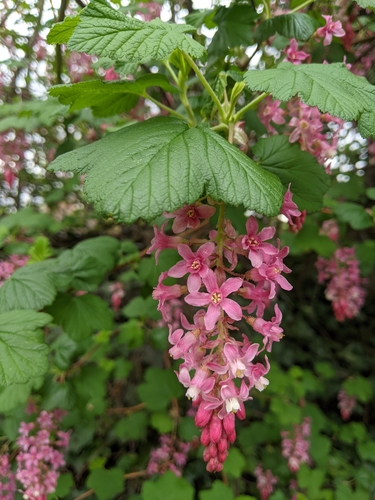
Kansas, US
You might spot Currants and Gooseberries, Red Maple, and Virginia Creeper.
View guide →
Take the discovery with you
Snap it with Snappit to identify it, learn what makes it special, and add the discovery to your collection.








.jpg&width=800)


_001.jpg&width=800)



