





Buteos
buteo
Buteos are large birds of prey that soar gracefully in the sky. They have strong wings and keen eyesight to spot their next meal from high above.
Habitat: Forests, grasslands, and open areas
The Buteos are medium to large raptors with robust bodies, broad wings, and short, wide tails. Their plumage often features rich browns, rufous tones, and pale undersides, with some species having distinct belly bands or dark wing linings.
Category
BirdsRarity
Common
Danger
1/5 · Very low
Snaps
Be the first to snap!
A Buteo can spot a mouse wiggling from over a mile away!
Some Buteos eat mostly insects, even large grasshoppers and crickets.
Their piercing 'kree-eee-ar' call is often used in movies!
They build huge stick nests, sometimes reusing them for many years!
Buteos can soar effortlessly on rising warm air currents because of their broad wings, saving energy during hunts and migrations.
Buteos have incredible eyesight that helps them spot tiny prey, like mice, from hundreds of feet in the air.
Buteos have strong, curved talons that help them grip and carry prey much heavier than themselves.
Buteos can maneuver quickly in the air using their broad tails to steer, helping them chase prey through varied terrain.
These birds are skilled hunters, mostly eating small animals they catch with their powerful claws.
Microtus pennsylvanicus
A common and essential food source.

Colinus virginianus
Frequently targeted by Buteos in open fields.

Quercus rubra
Often chosen for sturdy nesting platforms.
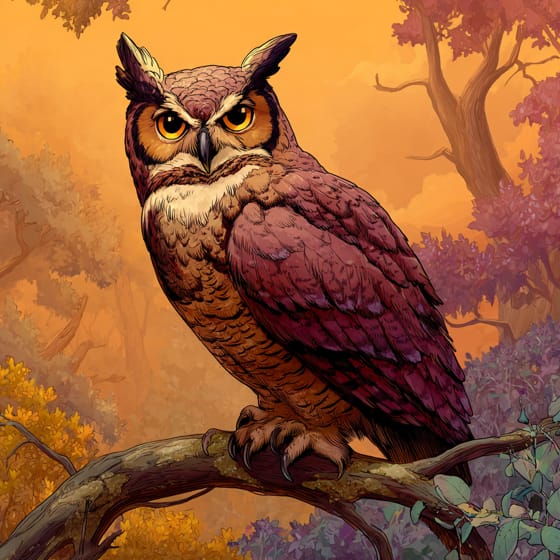
Bubo virginianus
Preys on Buteo eggs and young.
Solitary animals live alone for most of their lives, only interacting with others for mating or parental care.
Arboreal animals live primarily in trees, utilizing them for shelter, food, and protection from predators.
Forest habitats are terrestrial environments dominated by dense tree cover, supporting a high diversity of plant and animal life.
This trait identifies organisms whose diet consists entirely or primarily of animal tissue.

Diurnal animals are primarily active during daylight hours, typically resting or sleeping at night.
Danger
1/5 · Very low
Always observe birds from a distance to avoid disturbing them.
The easiest way to identify Buteos is to use the Snappit nature identifier app.
40-70 cm
100-160 cm
0.7-2.5 kg
10-20 years
190 km/h
These birds are skilled hunters, mostly eating small animals they catch with their powerful claws.
Forests, grasslands, and open areas
Zoom in to split clusters and explore where this object has been snapped.
Recent snaps will appear here as new observations are added.
Take the discovery with you
Snap it with Snappit to identify it, learn what makes it special, and add the discovery to your collection.




.jpg&width=800)








