





buttonbush
Cephalanthus occidentalis
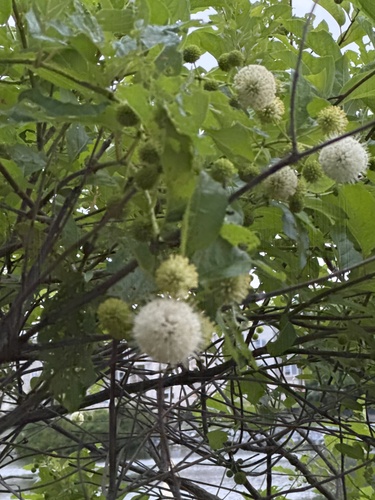
Buttonbush is a fun shrub that grows in wet areas. It has round, fluffy flowers that look like little buttons and attract many butterflies and bees!
Habitat: Wetlands
The buttonbush has unique spherical, creamy-white flower heads that look like pincushions, making it stand out. Its glossy green leaves are oval-shaped and arranged opposite or in whorls along reddish-brown stems.
Category
PlantsRarity
Common
Danger
1/5 · Very low
Snaps
49
Early American settlers sometimes used buttonbush bark to make yellow dye!
Its flower heads are actually made of hundreds of tiny, individual white flowers!
Many birds and ducks, like mallards, love to eat the buttonbush's seeds.
The unique fruits are small, hard nutlets that can stay on the plant all winter.
Buttonbush can grow directly in standing water thanks to adaptations in its roots that prevent rotting and allow it to breathe.
Buttonbush's fragrant, globe-like flowers are a super magnet for many pollinators, drawing them in for nectar.
Buttonbush seeds can float on water, allowing them to travel far and colonize new wetland areas for reproduction.
Apis mellifera
Collects nectar and pollen.
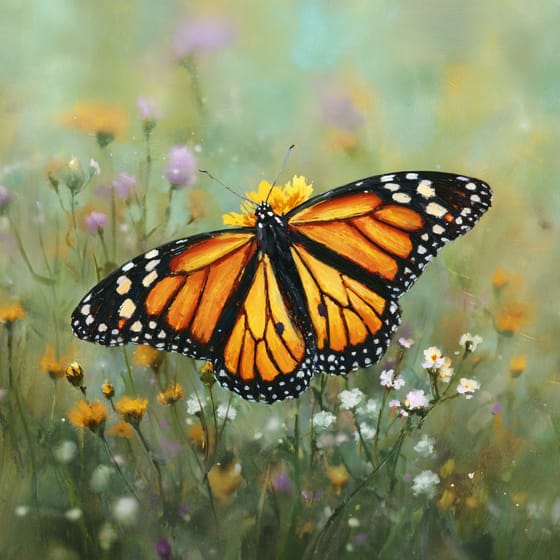
Danaus plexippus
Feeds on nectar.
Anas platyrhynchos
Consumes its seeds.
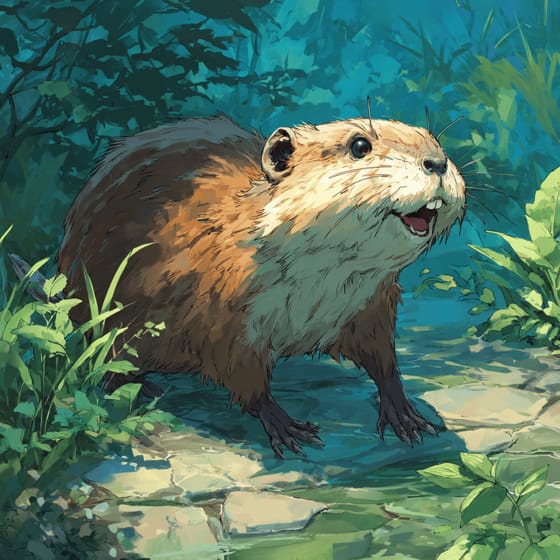
Ondatra zibethicus
Feeds on roots and bark.
Hyla cinerea
Uses plant for cover.
Deciduous plants periodically shed all their leaves, typically during autumn or dry seasons.
Flowering plants are any plants that produce flowers as part of their reproductive cycle.
Cluster flowers are inflorescences where individual flowers are arranged closely together on a common stem.
A shrub is a woody plant smaller than a tree, typically with multiple stems branching from or near the ground.

Summer blooming plants produce their flowers during the summer season, often providing vibrant color when many other plants have finished.

Describes plants that are particularly attractive and beneficial to a wide range of pollinating organisms.

This habitat trait identifies species found in wetlands, which are areas of land saturated with water, either permanently or seasonally, including marshes, swamps, and bogs.

Aquatic habitats encompass environments where organisms live predominantly in water, including oceans, rivers, lakes, and wetlands.
No aliases listed yet.
Danger
1/5 · Very low
Always stay on paths when exploring nature and don't touch unknown plants.
The easiest way to identify buttonbush is to use the Snappit nature identifier app.
100-300 cm
100-300 cm
2-4 cm
Summer
No
Mild
Perennial
Zoom in to split clusters and explore where this object has been snapped.
Jun 1, 2026
Chesapeake ArboretumPhoto attribution
(c) Laura Mae, some rights reserved (CC BY)
License: CC BY 4.0 ↗
Image may be shown cropped inside the card frame.

New Jersey, US
You might spot Garlic Mustard, Sensitive Fern, and Common Mugwort.
View guide →

Illinois, US
You might spot Brown-Belted Bumble Bee and Eastern Gray Squirrel.
View guide →

Texas, US
You might spot Anole, Monarch, and Pinkladies.
View guide →

New Jersey, US
You might spot Brant, Laughing Gull, and Great Black-Backed Gull.
View guide →
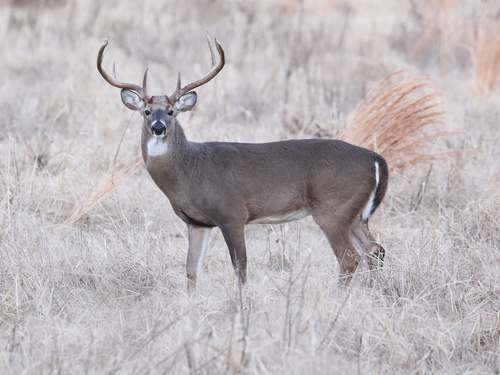
Virginia, US
You might spot White-Tailed Deer and House Sparrow.
View guide →

Arizona, US
You might spot Christmas Cholla and California Barrel Cactus.
View guide →
Take the discovery with you
Snap it with Snappit to identify it, learn what makes it special, and add the discovery to your collection.






.jpg&width=800)



_001.jpg&width=800)




