





Cactus
Cactaceae
Cacti are special plants that store water in their thick stems to survive in hot, dry deserts. They come in many shapes and sizes, some tall like trees and others small like rocks.
Habitat: Desert
The Cactus has thick, fleshy stems that store water, often covered in sharp spines instead of traditional leaves. Its diverse forms include tall columns, flat pads, and globular shapes, frequently adorned with vibrant, striking flowers.
Category
PlantsRarity
Common
Danger
2/5 · Low
Snaps
Be the first to snap!
Cacti insides are like sponges, storing water to survive super dry deserts!
Delicious dragon fruit and prickly pear come from kinds of cacti!
Saguaro cacti can grow taller than a school bus and live over 150 years!
Some cacti bloom giant flowers at night, inviting bats to pollinate them!
Cactus has thick, succulent stems that store lots of water, helping it survive long droughts in dry desert environments.
Cactus has sharp spines instead of leaves, helping it defend against hungry animals and reduce water evaporation.
Cactus can open tiny pores (stomata) only at night, helping it absorb CO2 and conserve water during hot days.
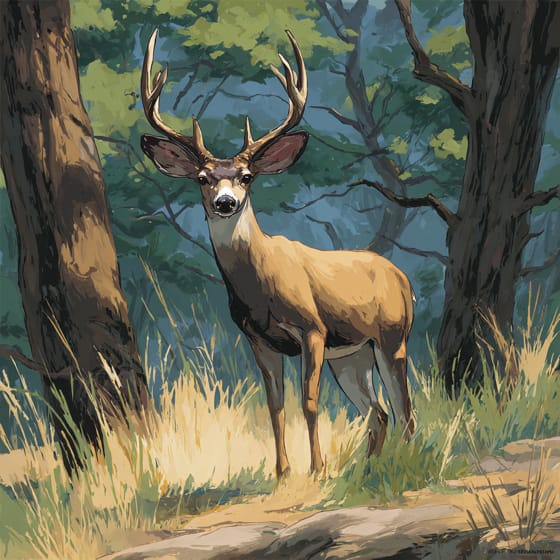
Odocoileus hemionus
Grazes on the pads and fruits of prickly pear cacti.
Leptonycteris yerbabuenae
Visits night-blooming cactus flowers for sweet nectar.
Sciurus arizonensis
Feeds on cactus fruits and seeds when available.

Campylorhynchus brunneicapillus
Builds its nests deep within protective cactus spines.
Evergreen plants retain their foliage throughout the year, never shedding all their leaves at once.
Medicinal plants possess chemical compounds that can be used for therapeutic purposes to treat illnesses or maintain health.
Pertaining to plants that have stems covered with sharp, pointed projections for defense.
Drought-tolerant plants can survive and flourish in conditions with limited water availability.

Succulent plants have thickened, fleshy parts, usually leaves or stems, adapted to store water in arid climates.

Edible plants are those parts of a plant that are considered safe for human consumption.

Describes a relationship between two different species where they live in close association, often benefiting one or both.

Desert habitats are arid regions characterized by extremely low precipitation and often extreme temperatures, supporting specialized flora and fauna.

This trait characterizes organisms with an exceptionally long lifespan compared to others of their kind.

Possessing sharp, pointed projections or spines on the body or surface.
No aliases listed yet.
Danger
2/5 · Low
Be careful around cacti as their spines can be sharp and prickly. Look but don't touch!
The easiest way to identify Cactus is to use the Snappit nature identifier app.
5-1500 cm
5-500 cm
1-30 cm
Variable, often Spring to Summer
Yes
Mild
Perennial
Zoom in to split clusters and explore where this object has been snapped.
Recent snaps will appear here as new observations are added.
Take the discovery with you
Snap it with Snappit to identify it, learn what makes it special, and add the discovery to your collection.










.jpg&width=800)



_001.jpg&width=800)

