





California Gall Wasp
Andricus quercuscalifornicus
The California Gall Wasp is a tiny insect that makes galls on oak trees. These galls are like little homes for the wasp's babies, and they help protect them as they grow.
Habitat: Forests
The California Gall Wasp is a tiny, dark-bodied insect, typically black or dark brown with clear, delicate wings. It has a compact, somewhat stout body shape that helps distinguish it from more slender wasps. Its small size makes it hard to spot.
Category
InsectsRarity
Common
Danger
1/5 · Very low
Snaps
2
Each big gall can contain many tiny wasp larvae munching safely inside.
If you shake a dried gall, you might hear the loose larva rattling inside!
The giant galls these wasps create can grow as big as a tennis ball!
These wasps cause the oak tree to create the gall, not the wasp itself!
California Gall Wasp can sometimes have babies all by themselves without a mate, which helps them reproduce quickly.
California Gall Wasp has a special needle-like tool to carefully lay eggs deep inside plant tissue, protecting them from danger.
Adults don't eat much, but baby wasps feast on their cozy plant home!
Age differences: Larvae eat the gall's plant tissue, while adults may sip nectar or water.

Quercus lobata
creates galls on twigs for larvae

Quercus agrifolia
creates galls on twigs for larvae
Torymus splendidus
lays eggs inside the gall wasp larvae

Cyanocitta stelleri
eats galls containing larvae
Solitary animals live alone for most of their lives, only interacting with others for mating or parental care.
This trait characterizes organisms whose diet consists entirely or primarily of plant material.
Forest habitats are terrestrial environments dominated by dense tree cover, supporting a high diversity of plant and animal life.
Describes a species whose presence and role have a disproportionately large effect on its environment.

Pertaining to species that are significantly smaller than typical or average for their kind.

Describes organisms that transfer pollen, enabling the fertilization and reproduction of plants.
No aliases listed yet.
Danger
1/5 · Very low
It's best to look at these wasps from a distance and not touch them.
The easiest way to identify California Gall Wasp is to use the Snappit nature identifier app.
4-8 mm
2-4 mm
365-730 days
Adults don't eat much, but baby wasps feast on their cozy plant home!
Forests
6
Zoom in to split clusters and explore where this object has been snapped.
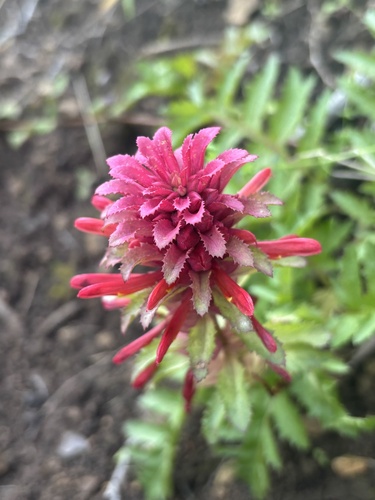
California, US
You might spot Warrior's Plume, Western Leatherwood, and White Globe Lily.
View guide →
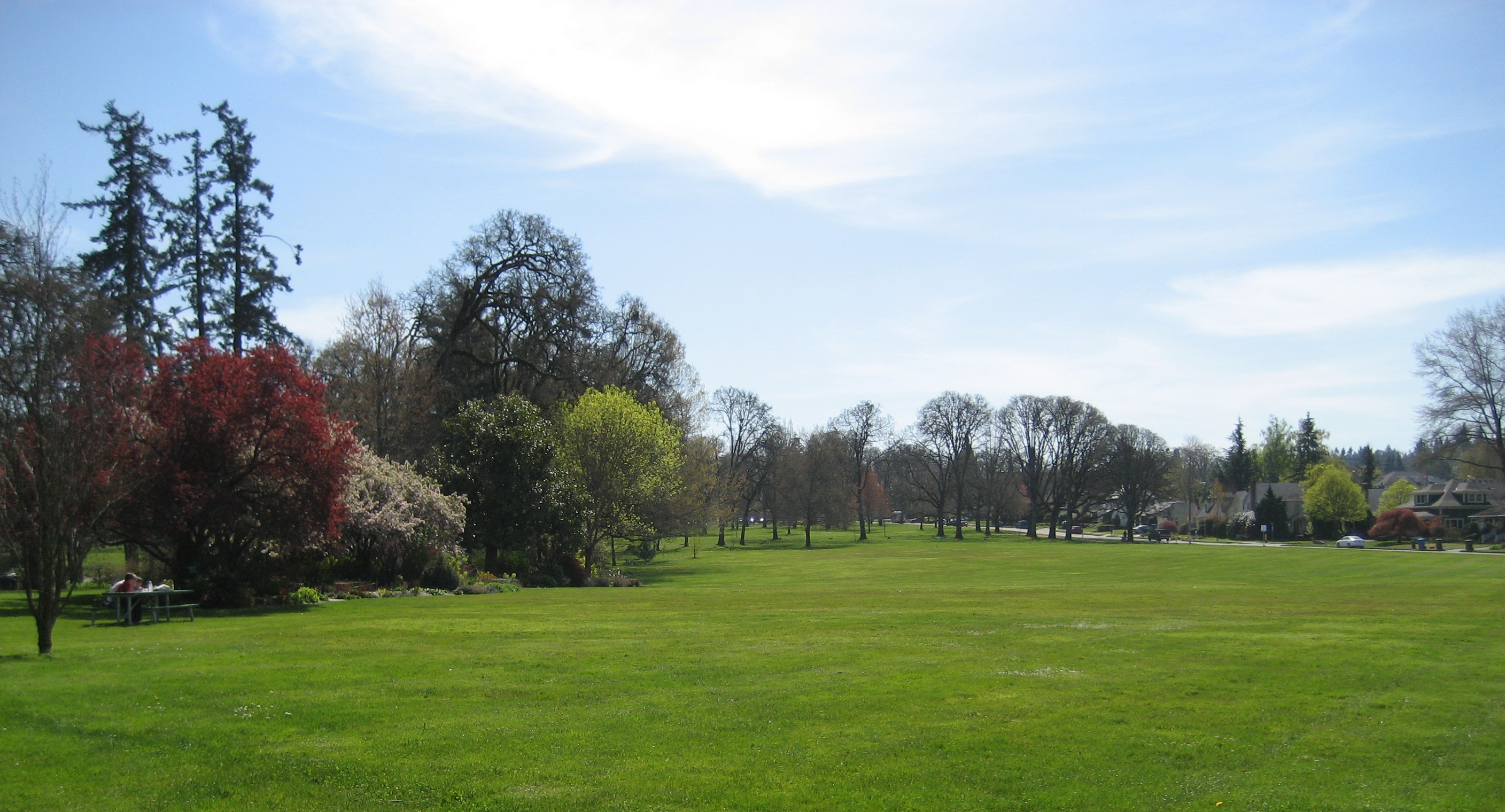
Oregon, US
You might spot Oregon Oak and Douglas's Ground Squirrel.
View guide →

California, US
You might spot California Scrub-Jay and Acorn Woodpecker.
View guide →

California, US
You might spot Sandhill Crane and Spined Turban Gall Wasp.
View guide →

Oregon, US
You might spot Oregon Oak, Tree-Of-Heaven, and Garter Snake.
View guide →

California, US
You might spot Snow Leopard and Varecia Variegata Subcincta.
View guide →
Take the discovery with you
Snap it with Snappit to identify it, learn what makes it special, and add the discovery to your collection.








.jpg&width=800)


