





California torreya
Torreya californica
The California torreya is a special tree that grows in California's forests. It has thick, dark green leaves and produces unique nuts that are tasty and nutritious.
Habitat: Forests
The California torreya is an evergreen conifer with dense, dark green, needle-like leaves that are sharp to the touch. Its smooth, reddish-brown bark eventually becomes furrowed. It produces small, olive-like green to purplish-brown seeds covered in a fleshy aril.
Category
PlantsRarity
Common
Danger
1/5 · Very low
Snaps
2
If you rub its needles, they release a tangy, resinous scent!
Indigenous people once ground and ate its delicious, nutritious seeds.
Its ripe seeds look strikingly like tiny green olives!
This tree's family lineage dates back millions of years!
California torreya can regrow from its base after damage like fire, helping it survive and live for centuries.
California torreya can grow well in dim forest light, allowing it to thrive under taller canopy trees.
California torreya can live for several hundred years, passing on its genes across many generations.
Broadleaf trees are angiosperms characterized by flat, wide leaves that are typically shed annually in temperate climates.
Evergreen plants retain their foliage throughout the year, never shedding all their leaves at once.
Nut bearing plants produce hard-shelled fruits, commonly known as nuts, which contain a single seed and are a valuable food source.
Edible plants are those parts of a plant that are considered safe for human consumption.

Timber refers to wood that has been prepared for use in building and carpentry.

This trait signifies organisms belonging to a very old evolutionary group with ancestors dating back millions of years.

Forest habitats are terrestrial environments dominated by dense tree cover, supporting a high diversity of plant and animal life.

This trait characterizes organisms with an exceptionally long lifespan compared to others of their kind.

Endangered status indicates a species is at a very high risk of extinction in the wild in the near future.
No aliases listed yet.
Danger
1/5 · Very low
Do not eat any nuts or plants without asking an adult first.
The easiest way to identify California torreya is to use the Snappit nature identifier app.
500-2500 cm
600-1200 cm
Spring
Yes
None
Perennial
Wind
Zoom in to split clusters and explore where this object has been snapped.
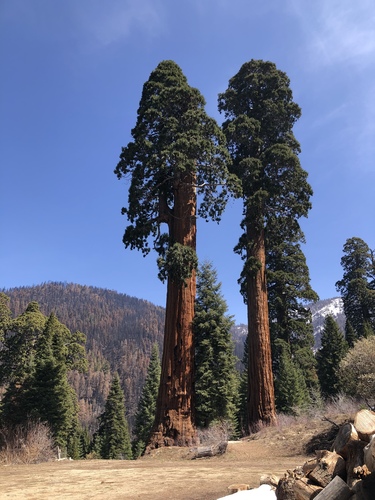
California, US
You might spot Sequoia, Mountain Misery, and Black Bear.
View guide →

California, US
You might spot Sequoia, California Incense-Cedar, and White Fir.
View guide →

California, US
You might spot Warrior's Plume, Diogenes' Lantern, and Checker Lily.
View guide →
Take the discovery with you
Snap it with Snappit to identify it, learn what makes it special, and add the discovery to your collection.










.jpg&width=800)


_001.jpg&width=800)

