





Callery pear
Pyrus calleryana
The Callery pear is a beautiful tree with white flowers in spring. It has shiny green leaves that turn bright colors in the fall. This tree is often found in parks and gardens, making them lovely places to visit.
Habitat: Urban areas
The Callery pear is a deciduous tree known for its dense clusters of five-petaled white flowers that cover its branches in early spring. Its glossy green leaves turn brilliant shades of red, orange, and purple in autumn, often holding their color late into the season.
Category
PlantsRarity
Common
Danger
1/5 · Very low
Snaps
6
Callery pears are an invasive species, outcompeting native plants for space!
Its tiny, round fruits might be bitter, but birds gobble them up for a winter snack!
The beautiful white flowers of the Callery pear surprisingly have a fishy smell!
These trees were once popular for city streets because they grow super fast!
Callery pear can grow in poor soils and tolerate pollution, helping it survive in harsh city environments.
Callery pear has sharp thorns on its branches that help defend it from animals trying to browse its leaves.
Callery pear can easily escape gardens and quickly colonize new areas, helping it reproduce rapidly.
Apis mellifera
Provides nectar and pollen for pollinators.
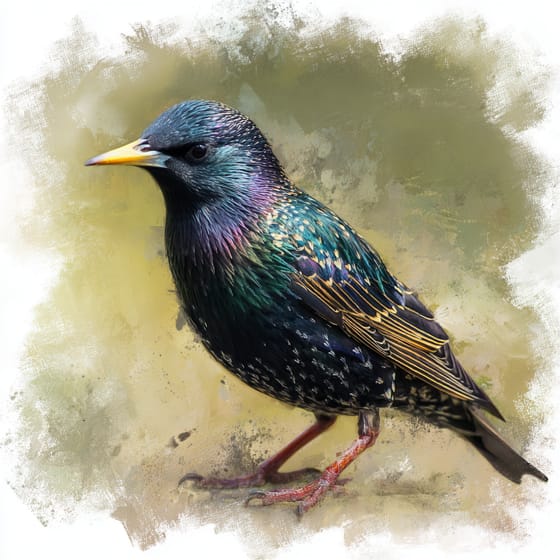
Sturnus vulgaris
Birds consume the small fruits, helping disperse seeds.

Odocoileus virginianus
Deer browse on young shoots and leaves.
Deciduous plants periodically shed all their leaves, typically during autumn or dry seasons.
Flowering plants are any plants that produce flowers as part of their reproductive cycle.
Spring blooming plants produce their flowers during the spring season, often signifying the end of winter and the start of new growth.
Broadleaf trees are angiosperms characterized by flat, wide leaves that are typically shed annually in temperate climates.

Fragrant flowers emit a pleasant aroma, often to attract pollinators or for defense.

Fruit-bearing plants produce fruits, which are the mature ovaries of flowering plants containing seeds.

Fall color refers to the seasonal change in foliage pigmentation, primarily in deciduous plants, displaying vibrant hues.

Describes plants that are particularly attractive and beneficial to a wide range of pollinating organisms.

Rapid growing plants exhibit accelerated growth rates, quickly increasing in size and biomass within a short period.

This habitat trait indicates species that can coexist with humans in urban and suburban environments, utilizing man-made structures and green spaces.

Invasive species are non-native organisms that cause harm to the environment, economy, or human health.
No aliases listed yet.
Danger
1/5 · Very low
Be careful around trees; don't climb too high and watch for falling branches.
The easiest way to identify Callery pear is to use the Snappit nature identifier app.
450-1800 cm
300-900 cm
2-3 cm
Spring
Yes
None
Perennial
Zoom in to split clusters and explore where this object has been snapped.

West Virginia, US
You might spot Spotted Lanternfly and Eastern Box Turtle.
View guide →
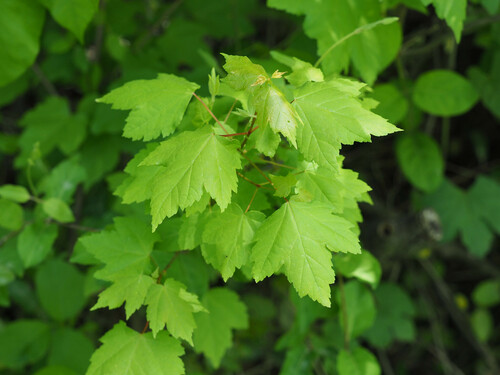
Virginia, US
You might spot Red Maple, Spotted Lanternfly, and House Sparrow.
View guide →

Georgia, US
You might spot Eastern Gray Squirrel, Domestic Cat, and Asian Lady Beetle.
View guide →

South Carolina, US
You might spot Scissor-Tailed Flycatcher and Eastern Box Turtle.
View guide →

Virginia, US
You might spot Eastern Spadefoot, Virginia Saxifrage, and Common Pawpaw.
View guide →
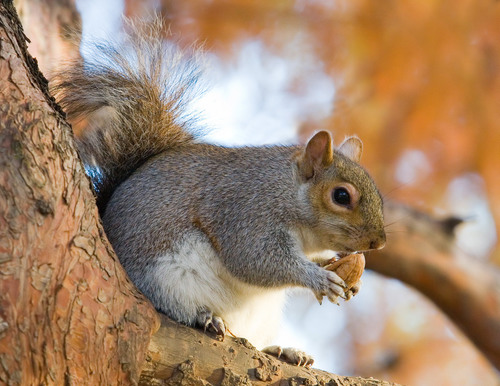
Georgia, US
You might spot Eastern Gray Squirrel, Domestic Cat, and American Robin.
View guide →
Take the discovery with you
Snap it with Snappit to identify it, learn what makes it special, and add the discovery to your collection.







.jpg&width=800)
_001.jpg&width=800)




