


Cancer productus
Cancer productus
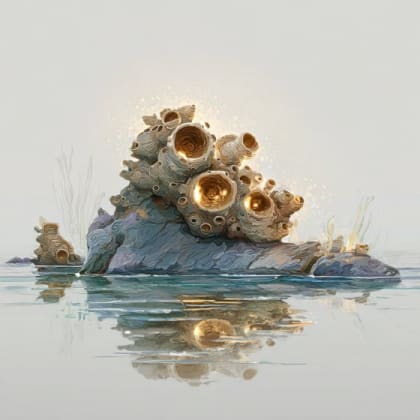
The red rock crab is a fun crab that lives in the ocean and loves to scuttle around on the rocks. They have a hard shell and can be red or brown, making them look like little crabs in a colorful costume!
Habitat: Coastal areas
The Cancer productus is a stocky, medium-sized mammal with coarse, reddish-brown fur, often mottled for camouflage. It has short, powerful legs ending in robust claws, and small, rounded ears, distinguishing it from longer-limbed forest mammals.
Category
InvertebrateRarity
Common
Danger
2/5 · Low
Snaps
9
Its fur changes thickness to stay warm in winter.
They communicate with each other using unique chirping sounds!
This mammal can create complex underground tunnels!
Young Cancer productus learn to forage from their mothers.
Cancer productus can dig extensive burrows because of its powerful claws and strong forelimbs that help them create safe underground homes.
Cancer productus has an excellent sense of smell and hearing that helps them find food and avoid predators in the dark.
Cancer productus can blend seamlessly with rocky terrain due to its mottled fur patterns that help them stay hidden from watchful eyes.
This omnivorous mammal enjoys a varied diet of plants, insects, and small animals found in its habitat.
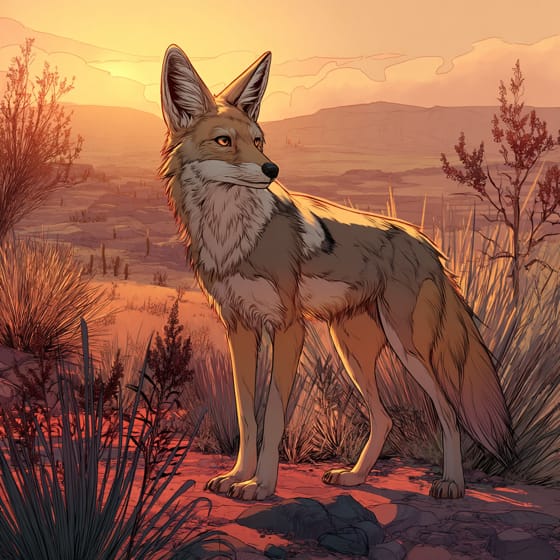
Canis latrans
A primary predator in its natural range.
Quercus garryana
Eats fallen acorns and shelters beneath its roots.
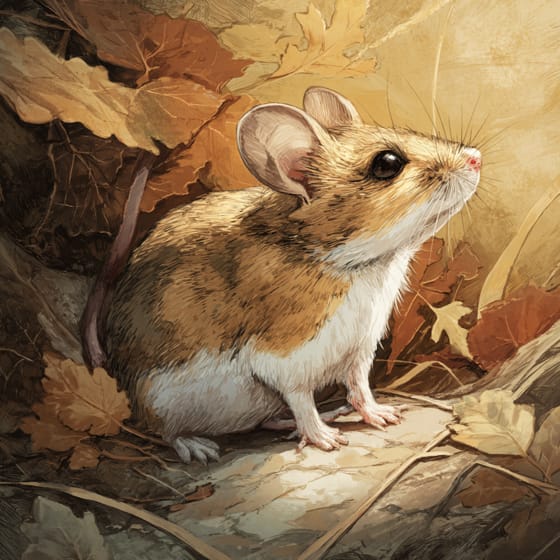
Peromyscus maniculatus
Preys on these small rodents during nocturnal foraging.
Solitary animals live alone for most of their lives, only interacting with others for mating or parental care.
Scavengers consume dead organic matter, helping to decompose carcasses and other waste in the ecosystem.
Camouflaged describes organisms that possess coloring or patterns that allow them to blend into their environment.
Colorful describes organisms or objects displaying a wide range of bright and distinct colors.

Coastal habitats are dynamic environments located along the interface between land and sea, influenced by tides, waves, and saltwater.

Armored describes animals protected by a hard, external covering or shell for defense.

This trait identifies organisms whose diet consists entirely or primarily of animal tissue.

Diurnal animals are primarily active during daylight hours, typically resting or sleeping at night.

Marine habitats encompass all saltwater environments of the Earth's oceans, supporting an immense diversity of aquatic life.
No aliases listed yet.
Danger
2/5 · Low
Be careful around crabs; their pincers can pinch if they feel scared.
The easiest way to identify Cancer productus is to use the Snappit nature identifier app.
30-50 cm
5-10 kg
5-8 years
20 km/h
This omnivorous mammal enjoys a varied diet of plants, insects, and small animals found in its habitat.
Coastal areas
Foraging
Zoom in to split clusters and explore where this object has been snapped.

Alaska, US
You might spot Bald Eagle, Salmonberry, and Ochre Sea Star.
View guide →

California, US
You might spot Sea Otter, Octopus, and Northern Sea Nettle.
View guide →
California, US
You might spot Sea Otter, Bull Kelp, and Box Jellyfish.
View guide →

California, US
You might spot Hilton's Aeolid and Opalescent Nudibranch.
View guide →

Washington, US
You might spot Mule Deer, Yellow Sand Verbena, and Bald Eagle.
View guide →

Washington, US
You might spot Ochre Sea Star, Painted Anemone, and Aggregating Anemone.
View guide →
Take the discovery with you
Snap it with Snappit to identify it, learn what makes it special, and add the discovery to your collection.