Sea Otter

The Monterey Bay Aquarium offers an unforgettable journey into ocean life.
The Monterey Bay Aquarium offers an unforgettable journey into ocean life. This world-renowned nonprofit aquarium, nestled on Monterey's historic Cannery Row, provides an intimate look at the rich marine habitats of Monterey Bay and beyond. Famous for its pioneering conservation efforts and immersive exhibits, it aims to inspire visitors to protect the health of our planet's oceans.
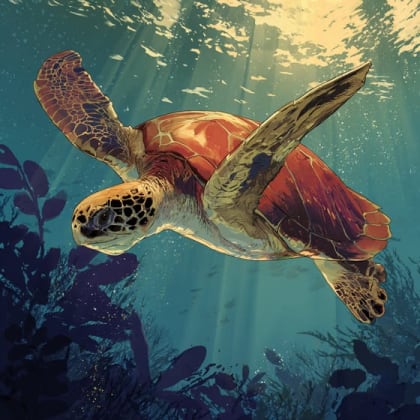
Step into a mesmerizing underwater world, featuring the awe-inspiring Kelp Forest, one of the tallest aquarium exhibits globally, teeming with leopard sharks, sardines, and wolf-eels. The vast Open Sea exhibit transports you into the deep, where you can marvel at schools of tuna, elegant sea turtles, and even hammerhead sharks. Don't miss the playful antics of the sea otters, a highlight of the aquarium's renowned rescue and rehabilitation program, or the hypnotic dance of countless jellyfish species in beautifully illuminated displays. The "Into the Deep" exhibit showcases North America's largest collection of deep-sea creatures, including peculiar giant isopods and flapjack octopuses, offering a glimpse into rarely seen ecosystems.
Visiting the Monterey Bay Aquarium is more than just seeing marine animals; it's an educational and inspiring experience that highlights critical ocean conservation. From its impactful Seafood Watch program to its efforts in combating plastic pollution, the aquarium empowers guests to become stewards of the ocean. Its unique oceanfront location allows for a truly immersive connection to the marine environment, making it a memorable destination for all ages. Eager to name that creature? Identify any animal you find during your visit using the Snappit app.
The idea for an aquarium in Monterey Bay first emerged in the early 20th century, gaining significant momentum in 1977 when marine biologists chose the abandoned Hovden Cannery site for a new facility. With a substantial $55 million personal gift from David and Lucile Packard, the Monterey Bay Aquarium Foundation was established in 1978. The aquarium officially opened its doors on October 20, 1984, on the very site of the former sardine cannery on Cannery Row. It distinguished itself as the first major public aquarium worldwide to focus its permanent exhibits on the marine life of its immediate home region: the Monterey Bay and California's Central Coast. The Monterey Bay Aquarium also pioneered the first successful living kelp forest exhibit and was among the first to create large-scale jellyfish displays. In 1987, the Monterey Bay Aquarium Research Institute (MBARI) was founded, further solidifying its commitment to marine science and conservation.
Catch daily feeding presentations for sea otters, sharks, and kelp forest inhabitants to see animals at their most active. Look for diver presentations in the large tanks. Utilize the observation decks to spot wild marine life in Monterey Bay. Engage with interactive exhibits and touch pools.
Monterey weather can be cool and foggy, even in summer, so dressing in layers is recommended.
The Monterey Bay Aquarium is fully accessible for individuals with disabilities, featuring wide pathways, ramps, and elevators to all public areas. Manual and bariatric wheelchairs are available free of charge on a first-come, first-served basis at the Information Center. For visitors with sensory sensitivities, sensory bags and noise-reducing headphones can be checked out. Service animals are welcome, though some restrictions apply in certain areas. Accessible restrooms are available throughout.
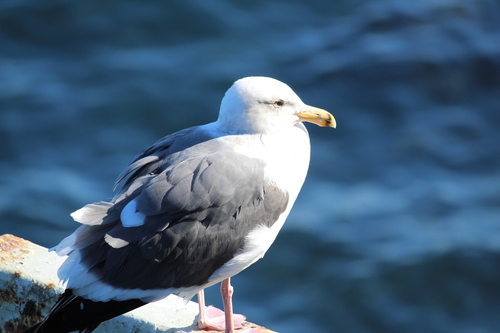
Don't miss the towering **Kelp Forest**, the expansive **Open Sea** exhibit (especially during feeding times), the adorable **Sea Otters**, and the mesmerizing **Jellies** exhibits. The newer "Into the Deep" exhibit offers a fascinating look at deep-sea creatures. Explore the **Sandy Shore & Aviary** and marvel at the intelligent **Giant Pacific Octopus**.
Each card links to a full Explore page with photos, traits, and fun facts.
Start with the big picture, then zoom in to explore individual wildlife observations around this place.
Purchase tickets online in advance
This helps save time by avoiding lines and ensures entry, especially on busy days.
Arrive early or late
To avoid peak crowds, particularly school groups, plan to arrive when the aquarium opens or in the late afternoon.
Check the daily schedule for feedings and talks: Consult the aquarium's schedule upon arrival or online to catch sea otter feedings, diver shows in the Kelp Forest, and other engaging presentations.
Consider alternative parking
While close-by lots might be expensive, parking in downtown garages (like the Downtown East Garage) and taking the free trolley can be a more affordable and convenient option.
Dress in layers
Monterey's coastal weather can be unpredictable, often cool and foggy, so bringing a jacket or layers is advisable.
Bring a reusable water bottle
Take advantage of the numerous water refill stations available throughout the aquarium. Small snacks are also permitted.
Jan 24, 2026
Photo attribution
no rights reserved
License: CC0 1.0 ↗
Image may be shown cropped inside the card frame.
Jun 5, 2026
May 23, 2026
May 8, 2026
May 8, 2026

Michigan, US
You might spot African Lion, Komodo Dragon, and Brown Bear.
View guide →
.jpg)
Municipal District of Cobh, IE
You might spot Ring-Tailed Lemur, Giraffes, and Cheetahs.
View guide →

Nouvelle-Aquitaine, FR
You might spot Greater Flamingo, Giraffes, and Red Panda.
View guide →

Texas, US
You might spot Giraffes, African Lion, and Eastern Black Rhinoceros.
View guide →
Take the discovery with you
Identify the wildlife you spot, learn as you go, and keep a collection of the adventure.