





Mule Deer

The Port Townsend Historic District captivates with its preserved Victorian architecture and rich maritime heritage.
The Port Townsend Historic District captivates with its preserved Victorian architecture and rich maritime heritage.
This National Historic Landmark District, one of only three Victorian Seaports on the National Register of Historic Places, showcases a vibrant collection of late 19th-century buildings. Visitors can explore ornate commercial structures and elegant residential homes, reflecting a unique boom-and-bust era that left its architectural treasures remarkably intact. The district's charm extends to its bustling waterfront, offering picturesque views and a glimpse into its past as a significant customs port and shipping hub.
Key features include the impressive Jefferson County Courthouse, with its Queen Anne and Romanesque styles, and the historic downtown Water Street, lined with distinctive brick and stone buildings housing shops, galleries, and restaurants. Uptown boasts numerous two-story Victorian homes, many privately owned, showcasing decorative details like those found on the Rothschild House. Fort Worden State Park, adjacent to the district, offers additional historical exploration with its former military structures and scenic coastal trails.
A visit to Port Townsend Historic District is a journey back in time, offering a blend of architectural beauty, cultural experiences, and scenic waterfront charm. The preserved streetscapes and well-maintained buildings create an immersive atmosphere, while local museums and walking tours provide deeper insights into the town's captivating story. Whether you're admiring the intricate details of a Victorian mansion or exploring the lively shops, the district provides a memorable and engaging experience for all who wander its historic streets. Wondering what that bird or insect is? Find out on your visit using the Snappit nature app.
Port Townsend was founded in 1851, strategically positioned at the gateway to Puget Sound, and quickly became a bustling seaport and customs entry point. It was optimistically dubbed the "Key City" and "New York of the West," leading to a significant building boom in the late 1880s, driven by hopes of a transcontinental railroad connection. Investors constructed a large number of elaborate Victorian homes and commercial buildings, anticipating massive growth. However, these railroad plans never materialized, leading to an economic crash and the abandonment of many ambitious projects. Ironically, this bust proved beneficial for preservation, as the existing Victorian structures were largely left untouched rather than being torn down for new development. In 1976, the waterfront and residential areas were officially designated a National Historic District, and then a National Historic Landmark District in 1977, ensuring the continued protection of this remarkably preserved 19th-century seaport.
Take self-guided or guided walking tours to appreciate the architecture, browse independent shops and art galleries, dine at local restaurants, and enjoy waterfront strolls. Visit local museums and nearby Fort Worden State Park for additional historical and natural exploration.
Spring: Abundant blooms, fragrant air, and the Victorian Heritage Festival.
Summer: High season with many festivals (Jazz Port Townsend, Farmers Market, community events), lively waterfront activity, and opportunities for whale watching.
Fall: Wooden Boat Festival in early September, artistic gatherings, and beautiful autumn colors.
Winter: Quieter, intimate atmosphere, with boutique shopping and holiday lights.
Port Townsend is a walkable town, especially the downtown area. Public transit is available. Some older buildings may have limited accessibility.
The heart of the historic downtown, featuring Victorian-era commercial buildings with shops, galleries, and waterfront views.
Stroll through residential streets to admire beautifully preserved Queen Anne, Stick, and Eastlake style houses.
An impressive 1892 Queen Anne/Romanesque structure.
A nearly unchanged 1868 Victorian home, offering a glimpse into 19th-century life.
Each card links to a full Explore page with photos, traits, and fun facts.
Start with the big picture, then zoom in to explore individual wildlife observations around this place.
Wear comfortable walking shoes to explore the hilly streets of both downtown and uptown.
Pick up a self-guided walking tour map from the Jefferson Museum of Art & History to learn about specific buildings.
Allocate time to visit both the vibrant downtown waterfront and the elegant residential uptown area.
Bring a camera; the Victorian architecture and waterfront views offer excellent photo opportunities.
Consider visiting during one of the town's many festivals, such as the Wooden Boat Festival or Victorian Heritage Festival, for a unique experience.
Look for "ghost murals" – faded advertisements painted on historic brick buildings – for a glimpse into the town's commercial past.

Maryland, US
You might spot White-Tailed Deer and Eastern Gray Squirrel.
View guide →
.jpg)
District of Columbia, US
You might spot Eastern Gray Squirrel, Duck, and House Sparrow.
View guide →

Illinois, US
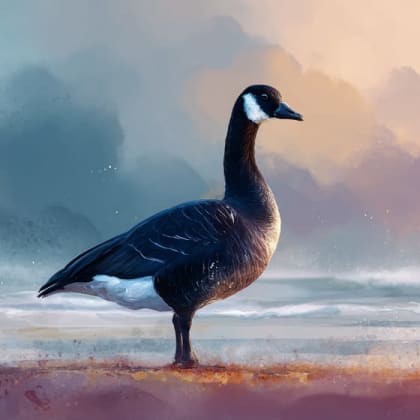
You might spot American Robin, Canada Goose, and House Sparrow.
View guide →

Virginia, US
You might spot Spotted Lanternfly and Northern Cardinal.
View guide →
Take the discovery with you
Identify the wildlife you spot, learn as you go, and keep a collection of the adventure.


















.JPG&width=800)



.jpg&width=800)

