





Carolina Silverbell
halesia carolina
The Carolina Silverbell is a beautiful tree known for its stunning white flowers that hang like little bells. It blooms in spring and provides a wonderful sight for everyone who loves nature!
Habitat: Carolina Silverbell trees thrive in moist, well-drained soils, often found in forests and near rivers.
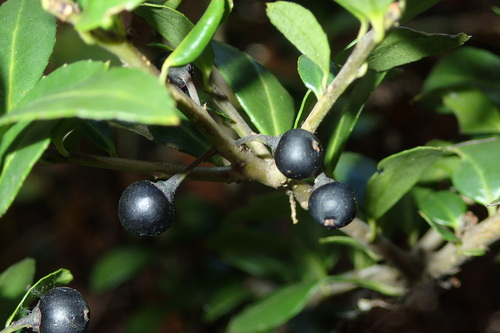
The Carolina Silverbell is a graceful tree known for its delicate white or pale pink bell-shaped flowers that hang in clusters in springtime. Its smooth, often striped gray bark and oval green leaves distinguish it. After flowering, unique four-winged fruits develop.
Category
PlantsRarity
Common
Danger
0/5 · No known danger
Snaps
1
Before its leaves drop, they turn a brilliant buttery yellow in the autumn.
Its unique winged seeds look like tiny paper airplanes ready for flight!
The wood of the Carolina Silverbell is lightweight and has been used for bowls.
You can tell its age by counting rings in its trunk, like a secret tree calendar!
Carolina Silverbell has beautiful bell-shaped flowers that chime in spring, attracting early pollinators like bees.
This tree grows fascinating four-winged fruits that can glide on the wind, helping its seeds travel far.
Carolina Silverbell can thrive near water bodies, using its strong roots to anchor itself in moist soil.
Apis mellifera
Gathers nectar and pollen from its spring blooms.

Bombus impatiens
Visits flowers for nectar, aiding in reproduction.

Odocoileus virginianus
May browse on young leaves or twigs, especially seedlings.
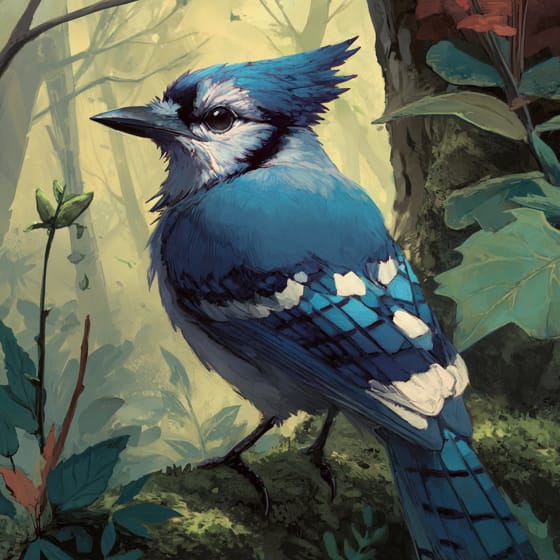
Cyanocitta cristata
Uses the tree for nesting and perching.
Social animals live in organized groups, cooperating for survival benefits such as foraging, defense, and raising offspring.
Arboreal animals live primarily in trees, utilizing them for shelter, food, and protection from predators.
Colorful describes organisms or objects displaying a wide range of bright and distinct colors.
Forest habitats are terrestrial environments dominated by dense tree cover, supporting a high diversity of plant and animal life.

Diurnal animals are primarily active during daylight hours, typically resting or sleeping at night.
Danger
0/5 · No known danger
No special safety notes yet.
The easiest way to identify Carolina Silverbell is to use the Snappit nature identifier app.
600-1500 cm
400-800 cm
1-2 cm
Spring (April-May)
No
None
Perennial
Zoom in to split clusters and explore where this object has been snapped.
Take the discovery with you
Snap it with Snappit to identify it, learn what makes it special, and add the discovery to your collection.









.jpg&width=800)



_001.jpg&width=800)




