.jpg&width=800)





Cassin's Finch
Haemorhous cassinii
Cassin's Finch is a small, colorful bird that loves to sing! They have bright red heads and are often found in trees and shrubs, making their homes in beautiful places.
Habitat: Forests and shrublands
The Cassin's Finch has a robust, streaky brown body with a slightly peaked head. Males are distinctive with a bright rose-red crown, which is less extensive than the House Finch. Females lack red and are streaky brownish-gray, differing from the Purple Finch by having finer streaking and a more defined facial pattern.
Category
BirdsRarity
Common
Danger
1/5 · Very low
Snaps
1
Cassin's Finches sometimes hang upside down to pick seeds directly from pine cones!
Male finches perform a special 'song flight' display to impress females during mating season!
They often drink water from melting snow patches, even in chilly weather!
Young Cassin's Finches are fed a diet rich in insects by their parents when they are tiny.
Cassin's Finch has a strong, cone-shaped beak that helps them crack open tough conifer seeds with ease.
Cassin's Finch can live in high-altitude mountain forests because they are adapted to cooler temperatures.
Cassin's Finch can produce a beautiful, warbling song to attract mates and claim their territory.
Mainly seeds and tree buds, but also enjoys berries and a few insects.
Age differences: Young are primarily fed soft seeds and insects by their parents.
Pinus ponderosa
Feeds on the seeds from the cones of this common pine tree.
Pseudotsuga menziesii
Extracts seeds from the cones of Douglas-fir trees in its habitat.
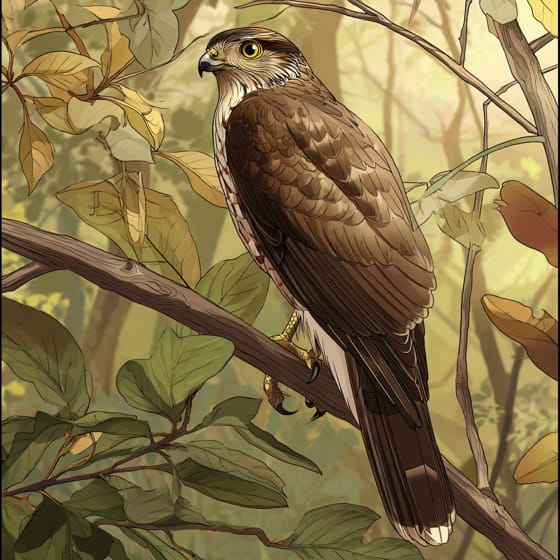
Accipiter cooperii
Predatory hawks like the Cooper's Hawk hunt finches in their forest habitat.

Picea engelmannii
Builds its cup-shaped nests high in the branches of spruce trees.
Feathered describes animals, primarily birds, possessing a covering of feathers.
Social animals live in organized groups, cooperating for survival benefits such as foraging, defense, and raising offspring.
Singing animals produce complex vocalizations, often for purposes of attracting mates, defending territory, or communicating within their species.
Colorful describes organisms or objects displaying a wide range of bright and distinct colors.

This trait characterizes organisms whose diet consists entirely or primarily of plant material.

Forest habitats are terrestrial environments dominated by dense tree cover, supporting a high diversity of plant and animal life.

Diurnal animals are primarily active during daylight hours, typically resting or sleeping at night.
No aliases listed yet.
Danger
1/5 · Very low
Enjoy watching birds from a distance and don't try to touch them.
The easiest way to identify Cassin's Finch is to use the Snappit nature identifier app.
14-16 cm
24-28 cm
0.02-0.027 kg
2-5 years
45 km/h
Mainly seeds and tree buds, but also enjoys berries and a few insects.
Forests and shrublands
Zoom in to split clusters and explore where this object has been snapped.

Nevada, US
You might spot Plains Pricklypear and Western Fence Lizard.
View guide →
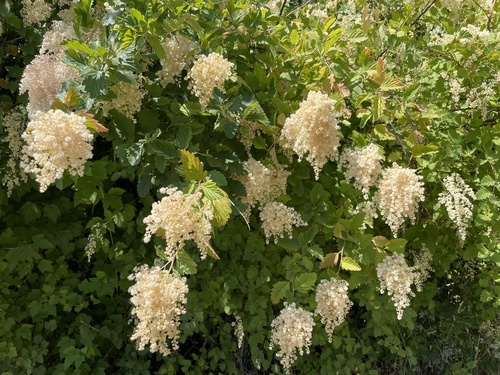
British Columbia, CA
You might spot Ocean Spray, Rocky Mountain Woodsia, and Prairie Smoke.
View guide →
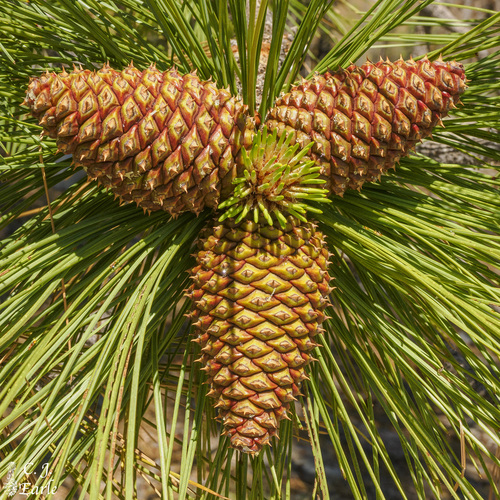
California, US
You might spot Jeffrey Pine and Pandora Pinemoth.
View guide →
Take the discovery with you
Snap it with Snappit to identify it, learn what makes it special, and add the discovery to your collection.




.jpg&width=800)






