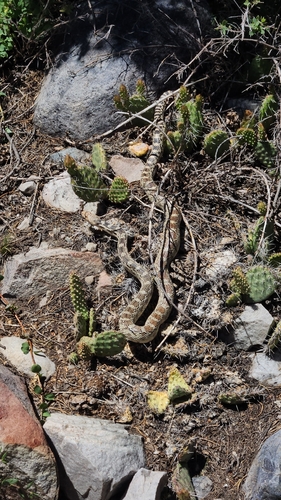
Western Fence Lizard

Lehman Orchard and Aqueduct offers a unique glimpse into pioneering life in the arid Great Basin.
Lehman Orchard and Aqueduct offers a unique glimpse into pioneering life in the arid Great Basin. This historic site, nestled within Great Basin National Park, showcases early agricultural ingenuity and the enduring spirit of settlement in challenging landscapes. It's a testament to how early settlers, like Absalom Lehman, harnessed natural resources to cultivate life in the high desert.
Visitors can explore the remnants of a vibrant fruit orchard, featuring apricot, peach, and apple trees, some of which are over a century old and still bear fruit. Adjacent to the orchard, a reconstructed portion of the original 2-mile aqueduct illustrates the impressive engineering feat that brought vital water from Lehman Creek to sustain the trees. The site provides a peaceful, reflective experience along the Mountain View Nature Trail, inviting contemplation of the past.
A visit to Lehman Orchard and Aqueduct is more than just a walk through an old farm; it's an immersive journey into the history of Nevada's agricultural development. The opportunity to pick your own fruit (seasonally) directly from these historic trees adds a tangible connection to the past, making it a memorable and educational stop for all ages. It highlights the persistence and resourcefulness required to thrive in such an environment. Unlock an interactive field guide for this spot: get the Snappit app to identify nature on the go.
The Lehman Orchard and Aqueduct were established in the 1880s by Absalom Lehman, the discoverer of the nearby Lehman Caves. Recognizing the need for irrigation to support agriculture in the desert, Lehman constructed a two-mile ditch from Lehman Creek to his seven-acre orchard, which once contained over 100 fruit trees, including apricot, pear, peach, crabapple, plum, and apple varieties. The site was listed on the National Register of Historic Places in 1975, acknowledging its significance as an example of early agricultural irrigation efforts in Snake Valley. Though many trees were removed in the 1930s and 40s, preservation efforts by the National Park Service have revitalized the orchard, with new trees planted and a water-wise irrigation system installed to maintain this important historical landscape.
Stroll through the orchard, observe the engineering of the aqueduct, and imagine the lives of early settlers. If visiting during the harvest season, enjoy fresh fruit directly from the trees. This is also a great spot for peaceful reflection and photography.
Spring: Enjoy the bloom of fruit trees.
Summer: Peak season for apricot and peach picking. Temperatures can be hot; plan for early morning visits.
Fall: Apple season (if available) and cooler temperatures make for pleasant exploration.
Winter: The orchard may be dormant, and snow is possible, limiting access or visibility of features.
The area around the Lehman Caves Visitor Center, which is adjacent to the orchard, generally offers accessible features. Specific accessibility for the orchard paths and aqueduct trail may vary, and visitors are advised to check with Great Basin National Park for current conditions.
Discover century-old apricot and peach trees, as well as newer plantings of apple, apricot, and peach varieties.
Walk alongside a portion of the original irrigation ditch that brought life-giving water to the orchard.
The aqueduct is visible from this scenic trail located near the Lehman Caves Visitor Center.
Visitors are often permitted to pick fruit for personal, non-commercial consumption when in season.
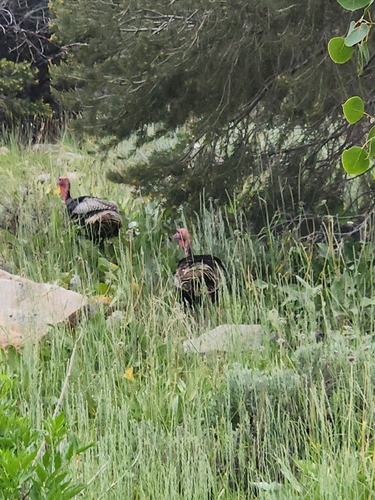
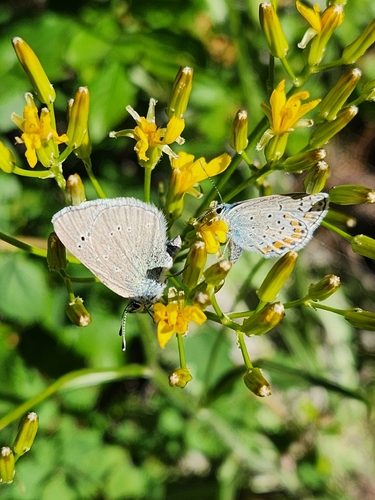
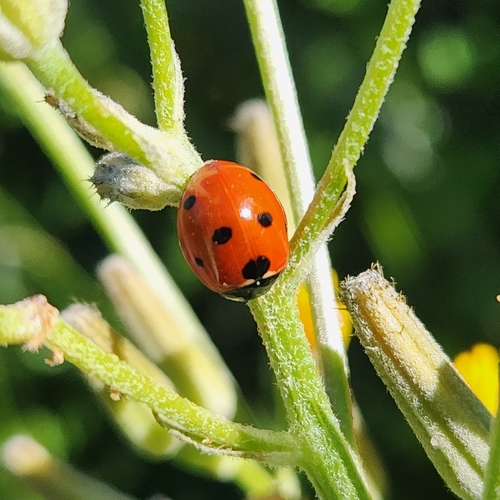
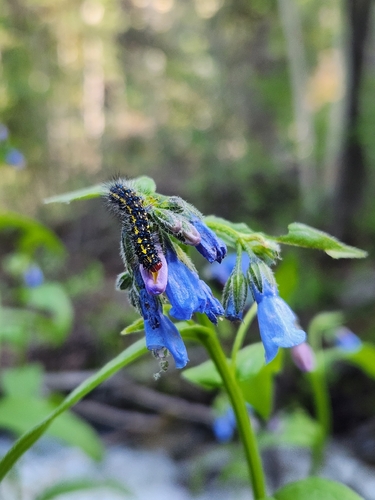
Each card links to a full Explore page with photos, traits, and fun facts.
Start with the big picture, then zoom in to explore individual wildlife observations around this place.
Check Fruit Season
If you're hoping to pick fruit, contact Great Basin National Park ahead of time to inquire about ripening schedules and availability.
Combine with Lehman Caves
The orchard is conveniently located near the Lehman Caves Visitor Center, making it an ideal complementary stop before or after a cave tour.
Wear Appropriate Footwear
While paths are generally easy, comfortable walking shoes are recommended for exploring the orchard and the nature trail.
Stay Hydrated
Especially during warmer months, bring plenty of water, as the Nevada desert climate can be very dry.
Respect the Site
Remember this is a historic site within a National Park; stay on designated paths and do not disturb the trees or aqueduct structures beyond fruit picking where permitted.
Photography
Capture the unique blend of history and nature, from the gnarled old fruit trees to the visible aqueduct channels.
Jul 2, 2023
Photo attribution
(c) Cristhian Mace, some rights reserved (CC BY)
License: CC BY 4.0 ↗
Image may be shown cropped inside the card frame.
Jul 1, 2023
Photo attribution
(c) Cristhian Mace, some rights reserved (CC BY)
License: CC BY 4.0 ↗
Image may be shown cropped inside the card frame.
Jul 1, 2023
Photo attribution
(c) Cristhian Mace, some rights reserved (CC BY)
License: CC BY 4.0 ↗
Image may be shown cropped inside the card frame.
Jul 1, 2023
Photo attribution
(c) Cristhian Mace, some rights reserved (CC BY)
License: CC BY 4.0 ↗
Image may be shown cropped inside the card frame.
Jul 1, 2023
Photo attribution
(c) Cristhian Mace, some rights reserved (CC BY)
License: CC BY 4.0 ↗
Image may be shown cropped inside the card frame.

Maryland, US
You might spot White-Tailed Deer and Eastern Gray Squirrel.
View guide →
.jpg)
District of Columbia, US
You might spot Eastern Gray Squirrel, Duck, and House Sparrow.
View guide →

Illinois, US
You might spot American Robin, Canada Goose, and House Sparrow.
View guide →

Virginia, US
You might spot Spotted Lanternfly and Northern Cardinal.
View guide →
Take the discovery with you
Identify the wildlife you spot, learn as you go, and keep a collection of the adventure.