





Catalpas
Catalpa
Catalpas are beautiful trees with big, heart-shaped leaves and lovely white flowers. They can grow very tall and provide shade for people and animals alike.
Habitat: Urban areas, forests
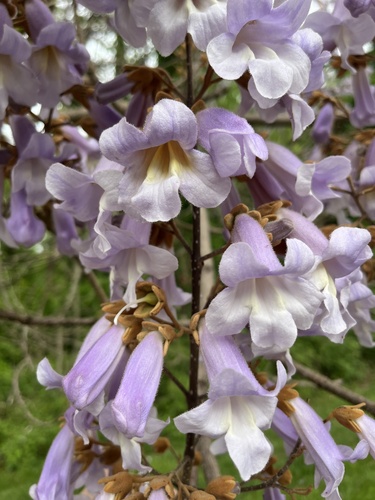
The Catalpas has very large, heart-shaped bright green leaves and distinctive bell-shaped white flowers often spotted with yellow and purple. Its most unique feature is long, slender, bean-like pods that hang from branches, persisting through winter.
Category
PlantsRarity
Common
Danger
1/5 · Very low
Snaps
Be the first to snap!
Catalpa wood is naturally rot-resistant, making it super strong!
Its giant heart-shaped leaves are some of the biggest on any tree!
Long seed pods, called 'Indian beans,' can hang like noodles all winter!
Some people call it the 'Cigar Tree' because of its long, thin fruit.
Catalpas has huge leaves that provide ample shade, helping it conserve water and cool its surroundings.
Catalpas develops long seed pods that split open to release winged seeds, helping it spread far.
Catalpas has showy, nectar-rich flowers that attract many insects, ensuring successful pollination.
Catalpas has tough, rot-resistant wood that helps it withstand harsh weather and pests for many years.
Bombus impatiens
Visits flowers for nectar
Ceratomia catalpae
Larvae feed on Catalpa leaves
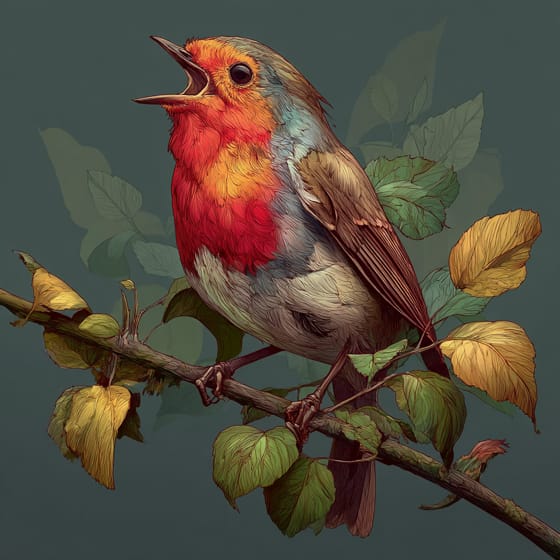
Turdus migratorius
Nests in the dense canopy
Sciurus carolinensis
May eat seeds from pods
Deciduous plants periodically shed all their leaves, typically during autumn or dry seasons.
Flowering plants are any plants that produce flowers as part of their reproductive cycle.
Shade tolerant plants are adapted to grow and thrive in areas with low light levels, requiring less direct sunlight.
Spring blooming plants produce their flowers during the spring season, often signifying the end of winter and the start of new growth.

Broadleaf trees are angiosperms characterized by flat, wide leaves that are typically shed annually in temperate climates.

Describes plants that are particularly attractive and beneficial to a wide range of pollinating organisms.

Forest habitats are terrestrial environments dominated by dense tree cover, supporting a high diversity of plant and animal life.

This habitat trait indicates species that can coexist with humans in urban and suburban environments, utilizing man-made structures and green spaces.
Danger
1/5 · Very low
Always stay on paths when exploring around trees to avoid tripping.
The easiest way to identify Catalpas is to use the Snappit nature identifier app.
1000-1800 cm
600-1200 cm
3-5 cm
Late spring to early summer
No
Mild
Perennial
Zoom in to split clusters and explore where this object has been snapped.
Recent snaps will appear here as new observations are added.
Take the discovery with you
Snap it with Snappit to identify it, learn what makes it special, and add the discovery to your collection.







.jpg&width=800)


_001.jpg&width=800)



