





Coast Cholla
Cylindropuntia prolifera
The Coast Cholla is a fun cactus that grows in coastal areas. It has long, green stems covered in spines, and it can produce beautiful flowers that attract butterflies and bees!
Habitat: Coastal areas
The Coast Cholla is a densely branched cactus with cylindrical, segmented stems covered in sharp, barbed spines. Its striking flowers can range from magenta to pinkish-purple, often with a subtle yellow tint in the center, making it distinct from many green desert plants.
Category
PlantsRarity
Common
Danger
3/5 · Moderate
Snaps
3
Baby cholla plants can grow from a tiny piece that breaks off and falls to the ground!
Its spines are so sharp, they can feel like they're jumping onto your clothes!
Some animals build nests right inside its spiny branches, safe from predators!
The fruit, called 'tuna,' is fuzzy but can be eaten if you remove all the tiny, irritating hairs!
Coast Cholla has barbed spines that detach easily, helping it defend against herbivores and even spread its segments for new growth.
Coast Cholla can store vast amounts of water in its thick, succulent stems, allowing it to thrive in arid coastal environments.
Coast Cholla has brittle stem segments that readily detach, allowing new plants to grow from fallen pieces, a clever way to multiply!
Neotoma lepida
Builds nests among its spiny branches for protection.
Apis mellifera
Visits its magenta flowers for nectar and pollen.
_(40059471280).jpg&width=800)
Callipepla californica
Uses dense cholla clumps for cover from predators.
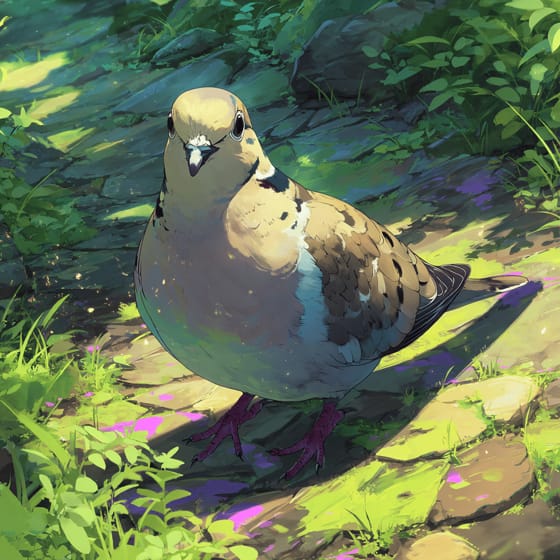
Zenaida macroura
Eats the seeds found within the cholla fruit.
Flowering plants are any plants that produce flowers as part of their reproductive cycle.
A shrub is a woody plant smaller than a tree, typically with multiple stems branching from or near the ground.
Spring blooming plants produce their flowers during the spring season, often signifying the end of winter and the start of new growth.
Pertaining to plants that have stems covered with sharp, pointed projections for defense.

Drought-tolerant plants can survive and flourish in conditions with limited water availability.

Succulent plants have thickened, fleshy parts, usually leaves or stems, adapted to store water in arid climates.

Colorful describes organisms or objects displaying a wide range of bright and distinct colors.

Describes plants that are particularly attractive and beneficial to a wide range of pollinating organisms.

Possessing sharp, pointed projections or spines on the body or surface.

Coastal habitats are dynamic environments located along the interface between land and sea, influenced by tides, waves, and saltwater.
No aliases listed yet.
Danger
3/5 · Moderate
Be careful around cacti! Their spines can poke you, so keep a safe distance.
The easiest way to identify Coast Cholla is to use the Snappit nature identifier app.
50-300 cm
50-250 cm
2-3 cm
Spring to early summer
Yes
Mild
Perennial
Zoom in to split clusters and explore where this object has been snapped.

California, US
You might spot Sunburst Anemone, Ochre Sea Star, and Striped Shore Crab.
View guide →

California, US
You might spot Sunburst Anemone and Striped Shore Crab.
View guide →
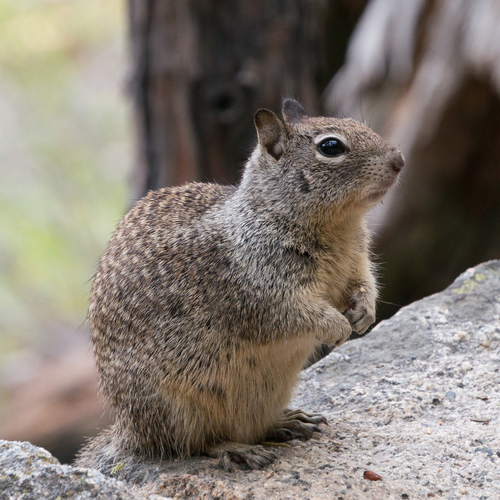
California, US
You might spot California Ground Squirrel and Coast Cholla.
View guide →

California, US
You might spot Corkystem Passionvine and Blister Glassy-Bubble.
View guide →
Take the discovery with you
Snap it with Snappit to identify it, learn what makes it special, and add the discovery to your collection.








.jpg&width=800)



_001.jpg&width=800)




