




Coastal Goldenbush
Isocoma menziesii
The Coastal Goldenbush is a bright yellow flowering plant that grows in sandy coastal areas. It helps make the beach look beautiful and provides food for butterflies and bees.
Habitat: Coastal areas
The Coastal Goldenbush is a bushy, erect perennial subshrub with many bright yellow, daisy-like flower heads clustered at branch ends. Its narrow, green leaves are often sticky and resinous, giving it a distinct texture among coastal flora.
Category
PlantsRarity
Common
Danger
1/5 · Very low
Snaps
5
Each tiny seed has a fluffy parachute to help it fly far on the wind!
Its bright yellow flowers are a late-season 'gas station' for migrating butterflies!
Its common name, 'goldenbush,' describes its many sunny, clustered flower heads perfectly!
This tough plant often grows right on sand dunes, soaking up the coastal sunshine!
Coastal Goldenbush has sticky, resinous leaves that protect it from harsh salty winds and reduce water loss.
It grows deep roots to find underground water, helping it thrive in dry, sandy soils and survive drought.
Coastal Goldenbush develops strong roots that grip loose soil, helping to stabilize dunes and prevent coastal erosion.
Apis mellifera
Collects nectar and pollen from flowers.
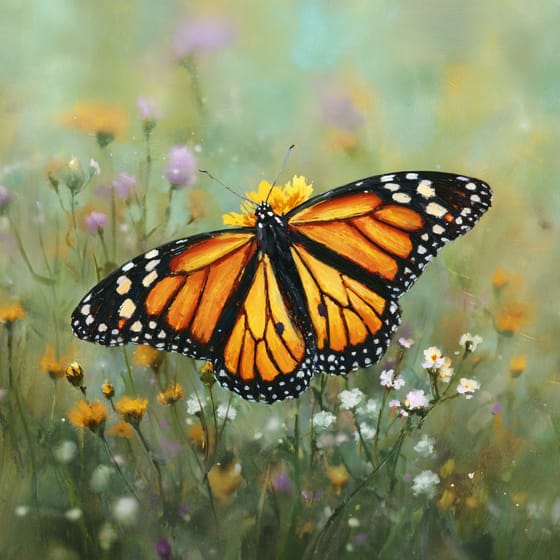
Danaus plexippus
Nectar source for migrating Monarch butterflies.
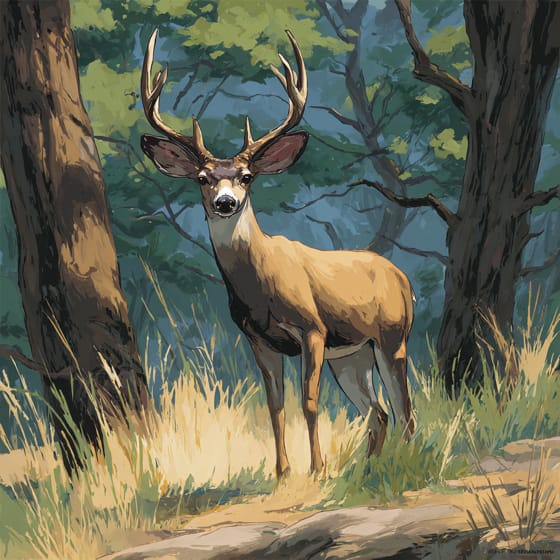
Odocoileus hemionus
Browses foliage, though not a primary food source.
Flowering plants are any plants that produce flowers as part of their reproductive cycle.
A shrub is a woody plant smaller than a tree, typically with multiple stems branching from or near the ground.
Summer blooming plants produce their flowers during the summer season, often providing vibrant color when many other plants have finished.
Salt tolerant plants can withstand and grow in conditions with elevated salinity levels in the soil or water.

Drought-tolerant plants can survive and flourish in conditions with limited water availability.

Colorful describes organisms or objects displaying a wide range of bright and distinct colors.

Describes plants that are particularly attractive and beneficial to a wide range of pollinating organisms.

Coastal habitats are dynamic environments located along the interface between land and sea, influenced by tides, waves, and saltwater.
No aliases listed yet.
Danger
1/5 · Very low
Always stay on paths when exploring coastal areas to protect plants and animals.
The easiest way to identify Coastal Goldenbush is to use the Snappit nature identifier app.
30-100 cm
30-100 cm
1-2 cm
Late summer to fall
No
Mild
Perennial
Zoom in to split clusters and explore where this object has been snapped.

California, US
You might spot Snowy Egret, Great Blue Heron, and Willet.
View guide →

California, US
You might spot Peridot Sweat Bee and Western Fence Lizard.
View guide →

California, US
You might spot Sunburst Anemone, Ochre Sea Star, and Striped Shore Crab.
View guide →

California, US
You might spot Western Fence Lizard, Eastern Fox Squirrel, and Duck.
View guide →

California, US
You might spot Western Fence Lizard and California Brittlebush.
View guide →
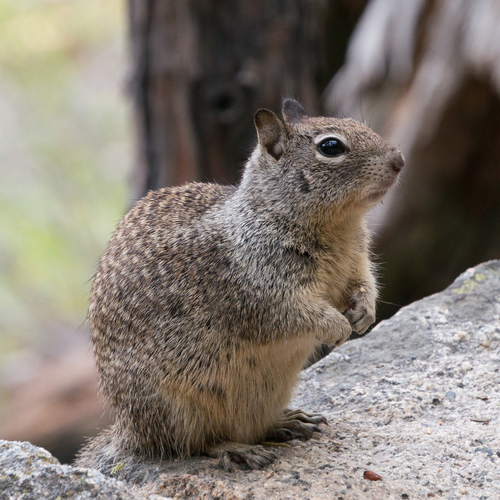
California, US
You might spot California Ground Squirrel and Coast Cholla.
View guide →
Take the discovery with you
Snap it with Snappit to identify it, learn what makes it special, and add the discovery to your collection.








.jpg&width=800)



_001.jpg&width=800)




