





Coastal Monkeyflower
Erythranthe dentata
The Coastal Monkeyflower is a bright and cheerful flower that grows near the coast. Its colorful blooms attract butterflies and bees, making it a fun sight in nature!
Habitat: Coastal areas
The Coastal Monkeyflower has vibrant yellow, often with orange or red-brown spotted, tubular flowers that resemble a grinning monkey face. Its short stems bear opposite, bright green, slightly succulent leaves that are sometimes toothed, giving it a fresh, clumping appearance.
Category
PlantsRarity
Common
Danger
1/5 · Very low
Snaps
9
Coastal Monkeyflowers can grow directly in running water, holding firm with their strong roots!
Its scientific name, Erythranthe, surprisingly means 'red flower,' even though many species are bright yellow!
Some monkeyflowers were traditionally used by Native Americans to make poultices for skin irritations!
The tiny seeds are so light, they can be carried by a gentle breeze or even float on water to new homes!
Coastal Monkeyflower can grow in very wet soil and even shallow water, thanks to roots adapted to prevent waterlogging.
Coastal Monkeyflower has bright, contrasting spots on its petals acting as 'nectar guides' to direct insects to its pollen.
Coastal Monkeyflower can quickly grow and flower in temporary wet areas, completing its cycle before conditions dry out.
Apis mellifera
Collects nectar and pollen from its blooms.
Bombus vosnesenskii
A native bee often seen visiting the flowers.
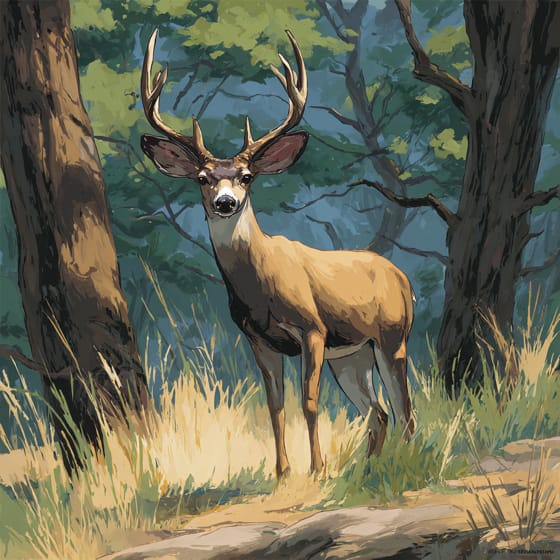
Odocoileus hemionus
May occasionally browse on its leaves and stems.
Flowering plants are any plants that produce flowers as part of their reproductive cycle.
A shrub is a woody plant smaller than a tree, typically with multiple stems branching from or near the ground.
Summer blooming plants produce their flowers during the summer season, often providing vibrant color when many other plants have finished.
Fragrant flowers emit a pleasant aroma, often to attract pollinators or for defense.

Colorful describes organisms or objects displaying a wide range of bright and distinct colors.

Describes plants that are particularly attractive and beneficial to a wide range of pollinating organisms.

Coastal habitats are dynamic environments located along the interface between land and sea, influenced by tides, waves, and saltwater.
No aliases listed yet.
Danger
1/5 · Very low
Always look but don't touch flowers without asking an adult first.
The easiest way to identify Coastal Monkeyflower is to use the Snappit nature identifier app.
10-30 cm
15-45 cm
2-4 cm
Spring to late summer
No
None
Perennial
Zoom in to split clusters and explore where this object has been snapped.

California, US
You might spot Pacific Banana Slug and Western Lily Of The Valley.
View guide →
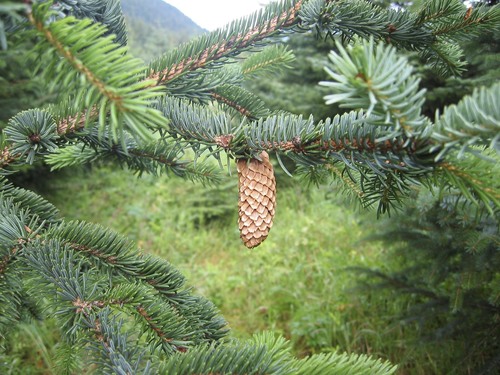
Washington, US
You might spot Sitka Spruce, Salmonberry, and Pacific Banana Slug.
View guide →

California, US
You might spot Pacific Banana Slug, Redwood, and Elk.
View guide →
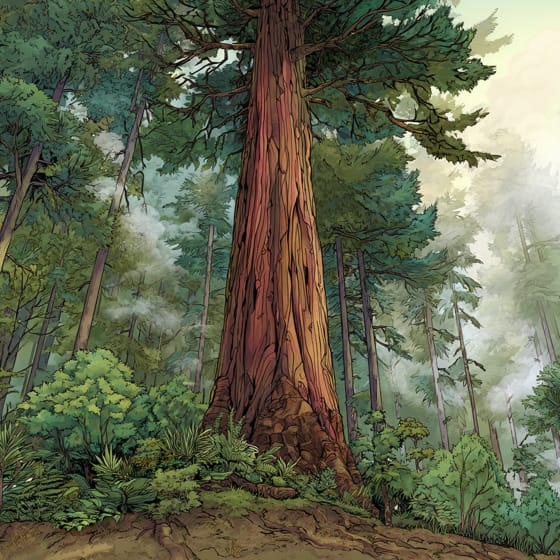
California, US
You might spot Redwood, Red Panda, and North American River Otter.
View guide →
Take the discovery with you
Snap it with Snappit to identify it, learn what makes it special, and add the discovery to your collection.








.jpg&width=800)


_001.jpg&width=800)




