





Sitka Spruce
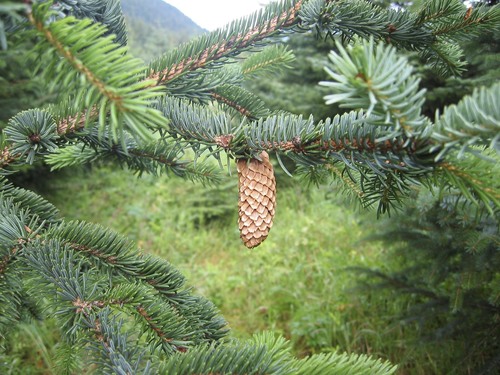
Discover an otherworldly realm of towering trees and vibrant green.
Discover an otherworldly realm of towering trees and vibrant green. The Quinault Rainforest, nestled within Olympic National Park and Olympic National Forest in Washington State, is a magnificent temperate rainforest known as the "Valley of the Rain Forest Giants." This unique ecosystem thrives on an astounding 10 to 15 feet of rainfall annually, creating an intensely lush environment where nature flourishes in spectacular fashion around the serene Lake Quinault.
The rainforest is a living museum of ancient, old-growth conifers, including some of the largest trees on Earth. Marvel at record-breaking specimens like the World's Largest Sitka Spruce and colossal Western Red Cedars, draped in emerald mosses and ferns that carpet the forest floor. Keep an eye out for iconic wildlife such as majestic Roosevelt Elk foraging in clearings, bald eagles soaring overhead, and the elusive Pacific banana slug making its way across damp logs. Quinault also boasts several picturesque waterfalls, including Merriman Falls and Willaby Creek Falls, adding to its enchanting allure.
Visiting Quinault Rainforest offers a profound connection to nature, presenting a quieter and often less crowded alternative to other Olympic Peninsula rainforests. The sheer scale of its ancient trees, the vibrant, almost fluorescent greens of its vegetation, and the tranquil sounds of its flowing rivers and waterfalls create a truly memorable and inspiring experience. Whether you're exploring its gentle trails, driving the scenic loop, or simply soaking in the serene ambiance, Quinault promises a refreshing escape into a primeval wonderland. Explore the grounds like a pro—download the Snappit app to instantly identify animals and plants.
The Quinault Valley, where the rainforest thrives, was sculpted by glaciers, a geological history that contributed to its unique landscape. Today, the rainforest spans both Olympic National Park and Olympic National Forest, designations that reflect a long-standing commitment to its preservation. Protection efforts for the region's iconic Roosevelt Elk began notably under President Theodore Roosevelt, whose actions helped safeguard their habitat, with further preservation solidified by President Franklin D. Roosevelt's establishment of Olympic National Park. Remnants of early settler life and historic homesteads can still be found, adding an interesting human dimension to this ancient wilderness, complementing the historic charm of structures like the Lake Quinault Lodge.
Hiking on diverse trails, wildlife watching, nature photography, scenic driving, boating/paddling, and fishing on Lake Quinault.
Weather: The rainforest experiences significant rainfall year-round. Winters are mild but very wet, while summers are moderate.
Animal activity: Fall brings the Roosevelt Elk rut, with bulls bugling and competing for mates. Winter is excellent for spotting bald eagles drawn to the salmon runs.
Seasonal events: Check local listings for any specific events like the annual Roosevelt Elk Festival.
The Maple Glade Trail and portions of the Kestner Homestead Trail feature hard-packed surfaces suitable for assistance. The first 850 feet of the Quinault Rain Forest Nature Trail are barrier-free and wheelchair-accessible. Accessible restrooms and picnic areas are available near the Quinault Rain Forest Ranger Station. The historic Lake Quinault Lodge is also wheelchair accessible.
A 31-mile scenic drive encircling Lake Quinault, offering access to trailheads, waterfalls, and viewpoints.
A monumental tree, accessible via an easy, short trail.
A flat, half-mile loop showcasing moss-draped bigleaf maples and an enchanting rainforest understory.
A 1.3-mile loop offering insights into homestead life amidst the rainforest.
Each card links to a full Explore page with photos, traits, and fun facts.
Start with the big picture, then zoom in to explore individual wildlife observations around this place.
Be prepared for rain
Carry waterproof jackets, pants, and sturdy, waterproof footwear, regardless of the forecast.
Go early or late for wildlife
Roosevelt Elk are most active at dawn and dusk, and early mornings offer a peaceful, misty atmosphere for photography and fewer crowds.
Drive the Quinault Loop
The 31-mile scenic drive around Lake Quinault is a must-do, offering numerous pull-offs for photos and short hikes.
Check road conditions
Roads in the Quinault Valley can be affected by winter storms; call ahead or check for current conditions before visiting.
Maintain wildlife distance
Keep a safe distance (at least 150 feet) from Roosevelt Elk and other wildlife. Do not approach or feed them.
Download offline maps
Cell reception is minimal in many areas of the rainforest, so download maps beforehand.

Maryland, US
You might spot White-Tailed Deer and Eastern Gray Squirrel.
View guide →
.jpg)
District of Columbia, US
You might spot Eastern Gray Squirrel, Duck, and House Sparrow.
View guide →

Illinois, US
You might spot American Robin, Canada Goose, and House Sparrow.
View guide →

Virginia, US
You might spot Spotted Lanternfly and Northern Cardinal.
View guide →
Take the discovery with you
Identify the wildlife you spot, learn as you go, and keep a collection of the adventure.






















