





Columbia lily
Lilium columbianum
The Columbia lily is a beautiful flower with bright orange petals and dark spots. It grows tall and can be found in meadows and forests, adding color to nature's canvas.
Habitat: Meadows and forests
The Columbia lily has striking orange petals that curve gracefully backward, revealing a sprinkle of dark purple-brown spots. Its tall, slender stem proudly displays several showy, star-shaped flowers, making it stand out in green woodlands.
Category
PlantsRarity
Common
Danger
1/5 · Very low
Snaps
7
Each flower can have six pollen-filled stamens, sticking out like bright orange antennae!
Its yummy bulb was a key food for Indigenous peoples of the Pacific Northwest!
The Columbia lily's petals reflex so much, they nearly touch the stem, like a fancy curtsy!
This lily can live for many decades, returning with blooms each summer.
Columbia lily has a sturdy bulb underground that stores energy, helping it survive cold winters and bloom year after year.
Columbia lily can curve its petals back to expose its stamens and nectar, making it easier for insects to find and pollinate.
Columbia lily has dark spots on its bright petals that act like landing strip guides, directing busy bees to its nectar.
Apis mellifera
Gathers nectar and pollen from the flowers.
Bombus bifarius
Visits flowers to collect nectar and pollen.
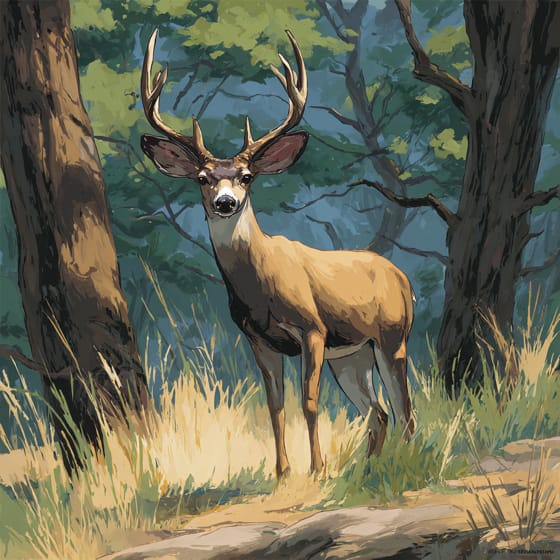
Odocoileus hemionus
Browses on the leaves and flowers of the plant.
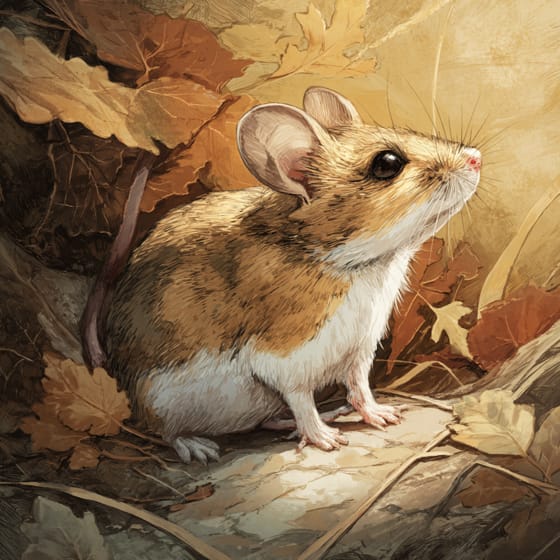
Peromyscus maniculatus
May consume the bulbs when available.
Marked with spots or patches of a different color.
Flowering plants are any plants that produce flowers as part of their reproductive cycle.
Summer blooming plants produce their flowers during the summer season, often providing vibrant color when many other plants have finished.
Fragrant flowers emit a pleasant aroma, often to attract pollinators or for defense.

Colorful describes organisms or objects displaying a wide range of bright and distinct colors.

Grassland habitats are terrestrial biomes dominated by grasses and herbaceous plants, supporting a variety of grazing animals.

Describes plants that are particularly attractive and beneficial to a wide range of pollinating organisms.

Forest habitats are terrestrial environments dominated by dense tree cover, supporting a high diversity of plant and animal life.
No aliases listed yet.
Danger
1/5 · Very low
Do not touch or eat flowers without asking an adult first.
The easiest way to identify Columbia lily is to use the Snappit nature identifier app.
60-150 cm
15-30 cm
5-8 cm
Late_spring_to_mid_summer
Yes
None
Perennial
Zoom in to split clusters and explore where this object has been snapped.

Oregon, US
You might spot Oregon Oak, Pacific Poison Oak, and American Bullfrog.
View guide →

Washington, US
You might spot Barrow's Goldeneye and Pacific Banana Slug.
View guide →

Washington, US
You might spot Whitebark Pine, Subalpine Larch, and White Pasqueflower.
View guide →
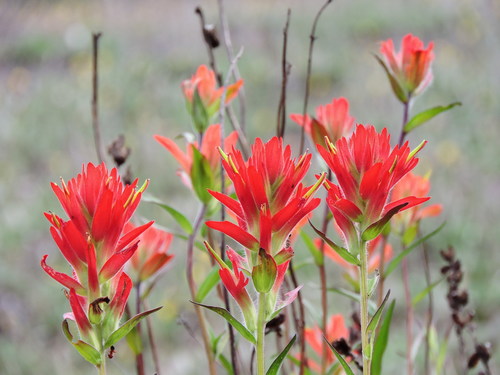
British Columbia, CA
You might spot Giant Red Paintbrush, Lupines, and Broadleaf Arnica.
View guide →

British Columbia, CA
You might spot Western Rattlesnake Plantain and Shinyleaf Meadowsweet.
View guide →

Washington, US
You might spot Wood Duck, Rough-Skinned Newt, and Pacific Trillium.
View guide →
Take the discovery with you
Snap it with Snappit to identify it, learn what makes it special, and add the discovery to your collection.







.jpg&width=800)


_001.jpg&width=800)




