





Osoberry
Oemleria cerasiformis
The Osoberry is a lovely shrub that grows in the wild. It has beautiful green leaves and produces small, tasty berries that many animals enjoy eating.
Habitat: Forests
The Osoberry is a deciduous shrub with slender branches and oval, light green leaves that turn yellow in fall. It produces small, drooping clusters of greenish-white flowers in early spring, followed by almond-shaped berries that ripen from green to orange to dark purple.
Category
PlantsRarity
Common
Danger
1/5 · Very low
Snaps
12
Crush an Osoberry leaf and it smells surprisingly like cucumbers or watermelon!
Its scientific name, Oemleria, honors a botanist named August Gottlieb Oemler!
Native Americans used its straight, strong wood for making useful tools and arrows.
Osoberry is the ONLY species in its entire plant genus in the world!
Osoberry can bloom earlier than most plants, helping it get a head start on attracting hungry pollinators.
Osoberry has berries that change color from green to orange to purple, signaling to animals when they are perfectly ripe.
Osoberry can grow well in disturbed areas or forest edges, helping to colonize new spaces with its strong roots.
Ursus americanus
eats its ripe, purple berries.
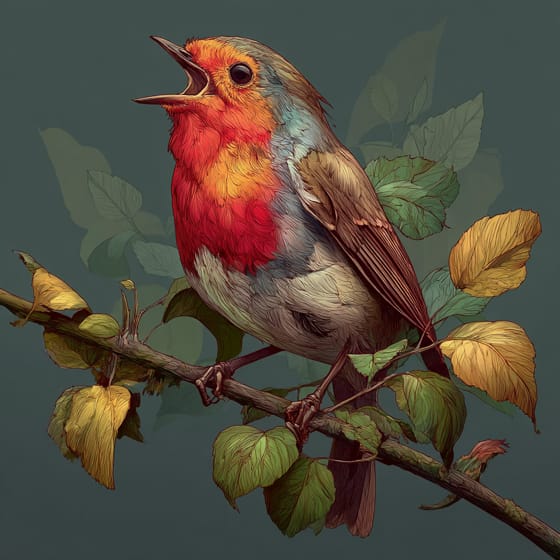
Turdus migratorius
enjoys the small, juicy fruits.
Apis mellifera
visits early spring flowers for nectar.

Cyanocitta stelleri
disperses seeds by eating berries.
Deciduous plants periodically shed all their leaves, typically during autumn or dry seasons.
Flowering plants are any plants that produce flowers as part of their reproductive cycle.
A shrub is a woody plant smaller than a tree, typically with multiple stems branching from or near the ground.
Spring blooming plants produce their flowers during the spring season, often signifying the end of winter and the start of new growth.

Fruit-bearing plants produce fruits, which are the mature ovaries of flowering plants containing seeds.

A fruit tree is a perennial tree that produces fruit, which is edible to humans or animals.

Edible plants are those parts of a plant that are considered safe for human consumption.

Forest habitats are terrestrial environments dominated by dense tree cover, supporting a high diversity of plant and animal life.
Danger
1/5 · Very low
Always ask an adult before picking or eating wild berries.
The easiest way to identify Osoberry is to use the Snappit nature identifier app.
200-500 cm
150-400 cm
0.5-1 cm
Early spring
Yes
Mild
Perennial
Zoom in to split clusters and explore where this object has been snapped.

California, US
You might spot Sequoia, California Newt, and Pacific Dogwood.
View guide →

Washington, US
You might spot Bigleaf Maple, Mule Deer, and Oregon Grape.
View guide →

Washington, US
You might spot Western Skunk Cabbage, Thimbleberry, and Barred Owl.
View guide →

Washington, US
You might spot Surf Scoter, Horned Grebe, and Salmonberry.
View guide →

California, US
You might spot Western Azalea, Pacific Trillium, and Western Columbine.
View guide →
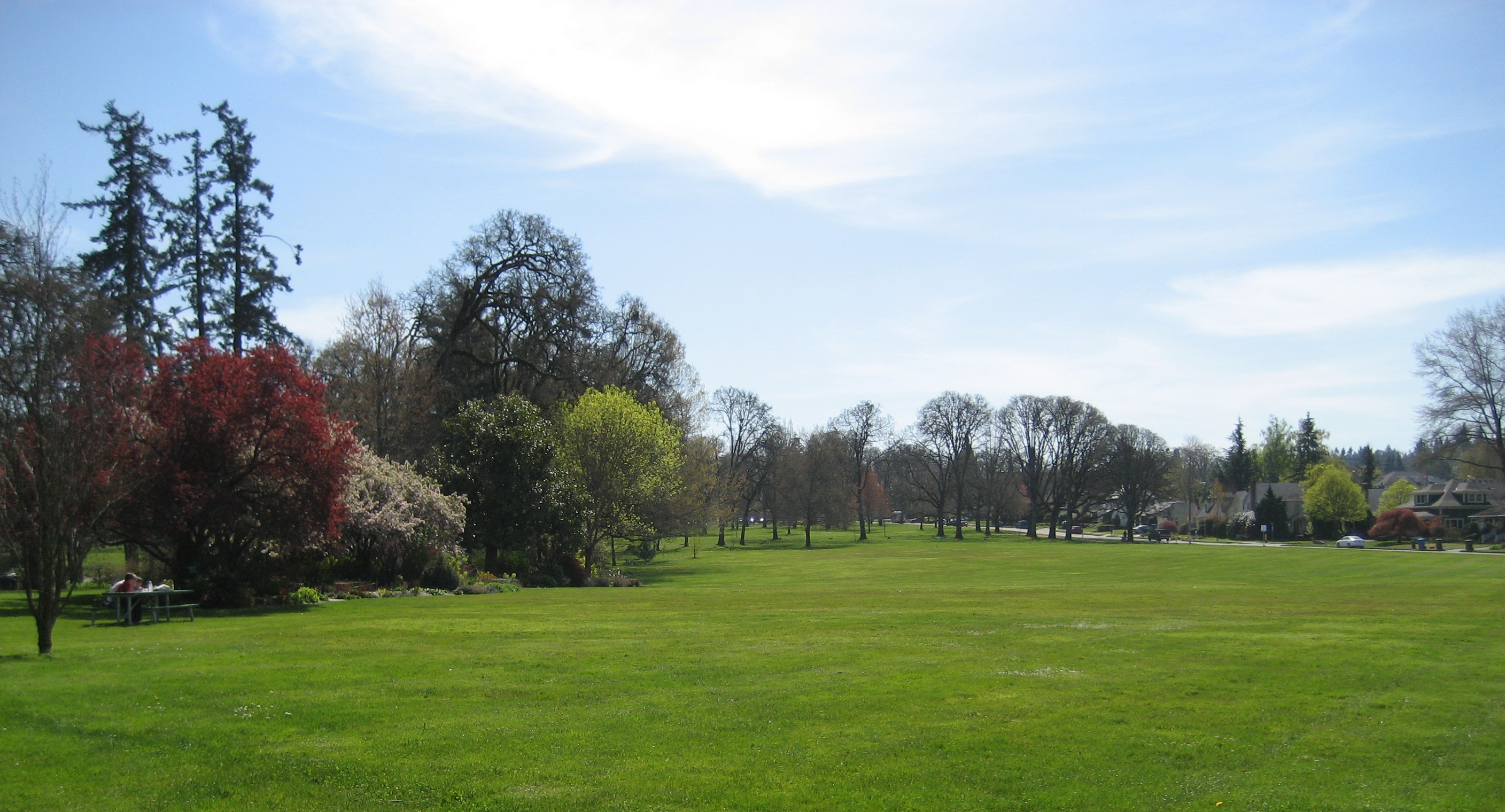
Oregon, US
You might spot Oregon Oak and Douglas's Ground Squirrel.
View guide →
Take the discovery with you
Snap it with Snappit to identify it, learn what makes it special, and add the discovery to your collection.






.jpg&width=800)



_001.jpg&width=800)



