





common boneset
Eupatorium perfoliatum
Common boneset is a tall plant with pretty white flowers that bloom in late summer. It grows in wet places and is loved by butterflies and bees!
Habitat: Wetlands
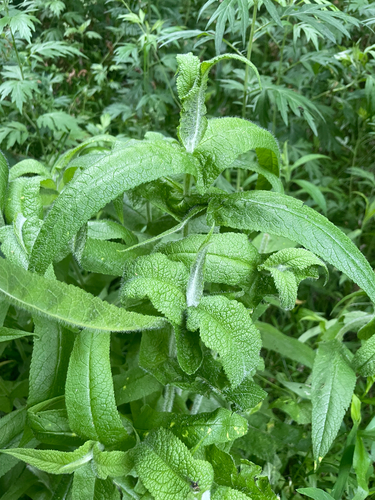
The common boneset has stiff, hairy stems and distinctive, wrinkled leaves that appear to be pierced by the stem. Its small, fuzzy white flowers grow in flat-topped clusters, creating a cloud-like appearance from late summer to fall.
Category
PlantsRarity
Common
Danger
1/5 · Very low
Snaps
9
Did you know its leaves look like the stem is growing right through them?
Hundreds of tiny white flowers huddle together to make one big, fluffy flower cloud!
Indigenous peoples used common boneset for aches and fevers for centuries!
This plant loves to grow where its "feet" are wet, often near swamps and streams!
Common boneset has unique leaves that join around the stem, forming a cup to collect rainwater for the plant.
Common boneset can produce bitter compounds in its leaves, helping it to deter many hungry animals from eating it.
Common boneset can thrive in very wet soils, using adaptations that help its roots get enough oxygen.
Apis mellifera
Visits flowers for nectar and pollen.
Bombus impatiens
Important pollinator for its flowers.
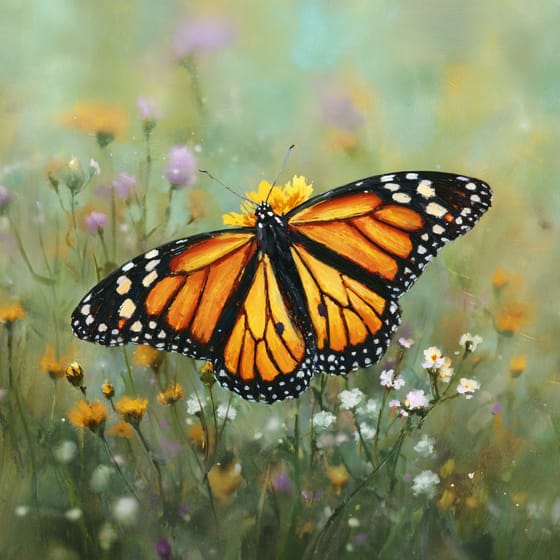
Danaus plexippus
Nectar source for migrating monarchs.

Odocoileus virginianus
May browse leaves when other food is scarce.
Schinia mitis
Larvae feed specifically on boneset seeds.
Deciduous plants periodically shed all their leaves, typically during autumn or dry seasons.
Ornamental plants are cultivated primarily for their aesthetic appeal, enhancing landscapes and gardens with their attractive foliage, flowers, or form.
Cluster flowers are inflorescences where individual flowers are arranged closely together on a common stem.
Summer blooming plants produce their flowers during the summer season, often providing vibrant color when many other plants have finished.

Medicinal plants possess chemical compounds that can be used for therapeutic purposes to treat illnesses or maintain health.

Describes plants that are particularly attractive and beneficial to a wide range of pollinating organisms.

This habitat trait identifies species found in wetlands, which are areas of land saturated with water, either permanently or seasonally, including marshes, swamps, and bogs.
No aliases listed yet.
Danger
1/5 · Very low
Always ask an adult before touching or picking plants.
The easiest way to identify common boneset is to use the Snappit nature identifier app.
90-180 cm
30-60 cm
0.3-0.5 cm
Late Summer to Fall (July-October)
No
Mild
Perennial
Zoom in to split clusters and explore where this object has been snapped.
Jun 6, 2026
Phipps Conservatory and Botanical GardensPhoto attribution
no rights reserved
License: CC0 1.0 ↗
Image may be shown cropped inside the card frame.

Rhode Island, US
You might spot Tundra Bean Goose, Tansy, and Osprey.
View guide →

Tennessee, US
You might spot Eastern Bluebird and Red-Shouldered Hawk.
View guide →

Maine, US
You might spot New England Blazing Star and Eastern Musk Turtle.
View guide →

New York, US
You might spot Pitch Pine, Great Egret, and Monarch.
View guide →

New Hampshire, US
You might spot Common Shiner, Tree Lungwort, and Creek Chub.
View guide →

New York, US
You might spot Northern Cardinal and Eastern Gray Squirrel.
View guide →
Take the discovery with you
Snap it with Snappit to identify it, learn what makes it special, and add the discovery to your collection.







.jpg&width=800)



_001.jpg&width=800)




