





common comfrey
Symphytum officinale
Common comfrey is a leafy plant with beautiful purple flowers. It grows in gardens and fields and is loved by bees and butterflies for its sweet nectar.
Habitat: Urban areas, Gardens
The common comfrey has large, dark green leaves covered in coarse hairs, giving them a rough, bristly feel. Its bell-shaped flowers, often purple, blue, or white, hang downwards in charming clusters.
Category
PlantsRarity
Common
Danger
2/5 · Low
Snaps
5
Ancient Romans called comfrey 'knitbone' because they used its leaves to help heal broken bones!
Comfrey is a super plant, pulling up minerals like calcium and potassium from deep in the ground!
Gardeners often grow comfrey as a 'green manure' plant to naturally fertilize their vegetable patches!
Its bell-shaped flowers are perfect for long-tongued bumblebees to reach their sweet nectar.
Common comfrey can send its roots incredibly deep to draw up water and nutrients from the soil that other plants can't reach.
Common comfrey has lush foliage that, when it dies back, returns valuable minerals to the soil, enriching it for other plants.
Common comfrey has stiff hairs covering its leaves and stems, which can deter hungry insects from taking a bite.
Bombus terrestris
Visits flowers for nectar
Apis mellifera
Collects pollen and nectar

Helix aspersa
Feeds on young leaves
Deciduous plants periodically shed all their leaves, typically during autumn or dry seasons.
Flowering plants are any plants that produce flowers as part of their reproductive cycle.
Broadleaf trees are angiosperms characterized by flat, wide leaves that are typically shed annually in temperate climates.
Fragrant flowers emit a pleasant aroma, often to attract pollinators or for defense.

Medicinal plants possess chemical compounds that can be used for therapeutic purposes to treat illnesses or maintain health.

Colorful describes organisms or objects displaying a wide range of bright and distinct colors.

Describes plants that are particularly attractive and beneficial to a wide range of pollinating organisms.

Rapid growing plants exhibit accelerated growth rates, quickly increasing in size and biomass within a short period.

This habitat trait indicates species that can coexist with humans in urban and suburban environments, utilizing man-made structures and green spaces.
No aliases listed yet.
Danger
2/5 · Low
Do not eat any part of the comfrey plant without asking an adult first.
The easiest way to identify common comfrey is to use the Snappit nature identifier app.
30-120 cm
30-60 cm
1-2 cm
Late spring to mid-summer
No
Moderate
Perennial
Zoom in to split clusters and explore where this object has been snapped.

Pennsylvania, US
You might spot Harlequin Bug, White-Tailed Deer, and Bee.
View guide →

Québec, CA
You might spot Common Eastern Bumble Bee and Asian Lady Beetle.
View guide →
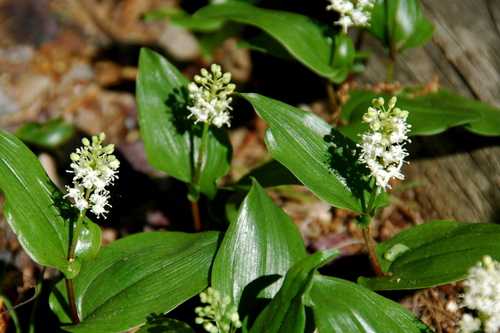
Connecticut, US
You might spot Canada Mayflower and Eastern White Pine.
View guide →

Michigan, US
You might spot Canada Goose, Amur Honeysuckle, and Garter Snake.
View guide →
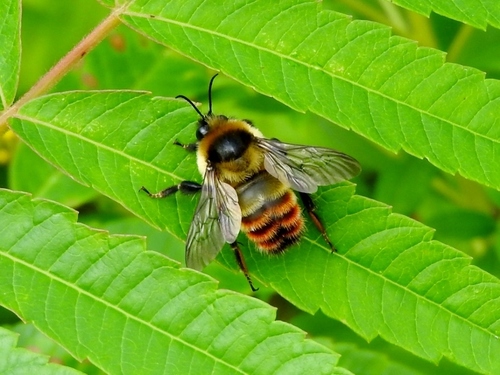
Wisconsin, US
You might spot Red-Belted Bumble Bee, Red-Breasted Merganser, and Duck.
View guide →
Take the discovery with you
Snap it with Snappit to identify it, learn what makes it special, and add the discovery to your collection.







.jpg&width=800)

_001.jpg&width=800)




