





Common Firecrest
Regulus ignicapilla
The Common Firecrest is a tiny bird with a bright orange crown on its head. It loves to flit around in trees and is often found in forests, singing sweet songs.
Habitat: Forests
The Common Firecrest has a striking fiery orange-yellow crest bordered by black stripes on its olive-green head. Its white supercilium, black eye-stripe, and bronze shoulders differentiate it from other small songbirds. It also features a pale belly and dark wings with two white wing bars.
Category
BirdsRarity
Common
Danger
1/5 · Very low
Snaps
Be the first to snap!
Even though tiny, firecrests can lay up to 12 eggs in one clutch!
Their fiery head stripe looks like a tiny crown, making them truly regal!
Their nest is like a tiny, cozy cup held together with spider silk!
They often join other small birds to search for food in big groups!
Common Firecrest has incredible agility that helps them hover and hang upside down to forage on the undersides of leaves.
Common Firecrest has very high-pitched calls and songs that help them communicate without attracting larger predators.
Tiny insects, spiders, and their eggs are a Firecrest's favorite snack!
Feathered describes animals, primarily birds, possessing a covering of feathers.
Singing animals produce complex vocalizations, often for purposes of attracting mates, defending territory, or communicating within their species.
Arboreal animals live primarily in trees, utilizing them for shelter, food, and protection from predators.
Colorful describes organisms or objects displaying a wide range of bright and distinct colors.

This trait identifies organisms whose diet primarily consists of insects and other small invertebrates.

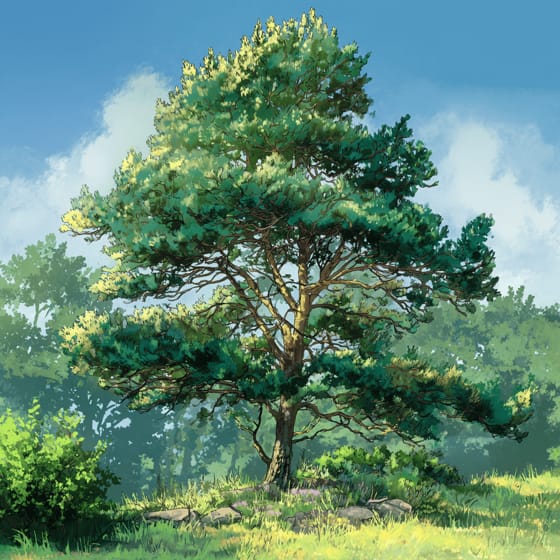
Forest habitats are terrestrial environments dominated by dense tree cover, supporting a high diversity of plant and animal life.

Diurnal animals are primarily active during daylight hours, typically resting or sleeping at night.

Pertaining to species that are significantly smaller than typical or average for their kind.

This trait identifies organisms that exhibit exceptional swiftness in movement for hunting, escape, or travel.
No aliases listed yet.
Danger
1/5 · Very low
Always watch birds from a distance and be quiet so you don't scare them away.
The easiest way to identify Common Firecrest is to use the Snappit nature identifier app.
9-10 cm
13-16 cm
0.004-0.007 kg
2-3 years
25 km/h
Tiny insects, spiders, and their eggs are a Firecrest's favorite snack!
Forests
Zoom in to split clusters and explore where this object has been snapped.
Recent snaps will appear here as new observations are added.
Take the discovery with you
Snap it with Snappit to identify it, learn what makes it special, and add the discovery to your collection.






.jpg&width=800)







