





Common Lambsquarters
Chenopodium album
Common Lambsquarters is a leafy green plant that grows in gardens and fields. Its leaves are soft and can be a little fuzzy. This plant is often found in places where the soil is disturbed.
Habitat: Urban areas
The Common Lambsquarters is an upright plant with variable, often somewhat triangular, gray-green leaves. Its leaves, especially new ones, have a distinctive powdery, mealy coating. Its tiny green flowers are clustered in spikes at the stem tops, lacking colorful petals.
Category
PlantsRarity
Common
Danger
1/5 · Very low
Snaps
15
Its seeds were found in ancient Roman ruins, showing people ate it long ago!
Some call it 'goosefoot' because its leaves can look like a goose's foot.
This super plant can produce over 75,000 seeds from just one plant!
Young lambsquarters leaves taste a bit like mild spinach, even raw!
Common Lambsquarters has seeds that can stay alive in the soil for over a century, waiting for the perfect moment to sprout!
Common Lambsquarters can efficiently pull nutrients from poor soil, allowing it to grow where other plants struggle.
Common Lambsquarters has a mealy coating on its leaves that helps it hold onto water and may deter hungry critters.
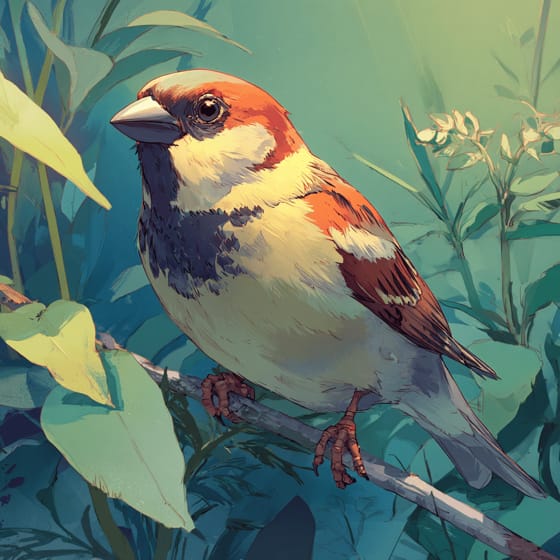
Passer domesticus
Feeds on its nutrient-rich seeds.
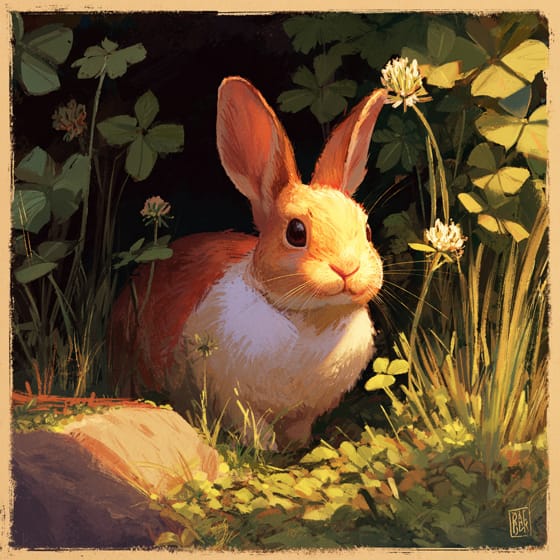
Oryctolagus cuniculus
Browses on its tender young leaves.
Lygus lineolaris
Feeds on its stems and leaves.
Mamestra brassicae
Its larvae feed on the leaves.
Flowering plants are any plants that produce flowers as part of their reproductive cycle.
This human use trait describes species cultivated or domesticated by humans for agricultural purposes, including crops and livestock.
Edible plants are those parts of a plant that are considered safe for human consumption.
Describes plants that are particularly attractive and beneficial to a wide range of pollinating organisms.

Rapid growing plants exhibit accelerated growth rates, quickly increasing in size and biomass within a short period.

This habitat trait indicates species that can coexist with humans in urban and suburban environments, utilizing man-made structures and green spaces.
Danger
1/5 · Very low
Always ask an adult before touching or eating any wild plants.
The easiest way to identify Common Lambsquarters is to use the Snappit nature identifier app.
30-300 cm
15-100 cm
0.1-0.3 cm
Summer_to_fall
Yes
None
Annual
Zoom in to split clusters and explore where this object has been snapped.

New York, US
You might spot White Snakeroot, Rock Pigeon, and Eastern Gray Squirrel.
View guide →

District of Columbia, US
You might spot Spotted Lanternfly and Eastern Gray Squirrel.
View guide →

New York, US
You might spot Rock Pigeon, American Robin, and Spotted Lanternfly.
View guide →

New York, US
You might spot White Snakeroot, Rock Pigeon, and Eastern Gray Squirrel.
View guide →

South Dakota, US
You might spot Duck, Canada Goose, and Thirteen-Lined Ground Squirrel.
View guide →

Virginia, US
You might spot Eastern Tiger Swallowtail, Fowler's Toad, and Monarch.
View guide →
Take the discovery with you
Snap it with Snappit to identify it, learn what makes it special, and add the discovery to your collection.








.jpg&width=800)



_001.jpg&width=800)



