





common lantana
Lantana camara
Common lantana is a colorful shrub that grows bright flowers in many shades like yellow, orange, and pink. It attracts butterflies and bees, making gardens lively and beautiful!
Habitat: Urban areas
The common lantana is a sprawling shrub with rough, textured leaves. Its distinctive flowers grow in dense, round clusters, often displaying a mix of vibrant colors like red, orange, yellow, and pink within a single cluster, sometimes changing hue as they mature.
Category
PlantsRarity
Common
Danger
2/5 · Low
Snaps
3
Did you know one lantana plant can produce thousands of seeds a year?
In some countries, it's called "wild sage" or "shrub verbena."
Its leaves smell strongly of citrus or spice when you crush them!
Lantana has been found growing on volcanic lava flows!
Common lantana has flowers that can shift color, signaling to pollinators when nectar rewards are highest.
Common lantana can form dense, thorny thickets that provide shelter but also outcompete native plants.
Common lantana can tolerate dry conditions and bounce back quickly, helping it survive harsh environments.
Common lantana produces abundant berries eaten by birds, which helps spread its seeds far and wide.
Apis mellifera
Visits flowers for nectar.
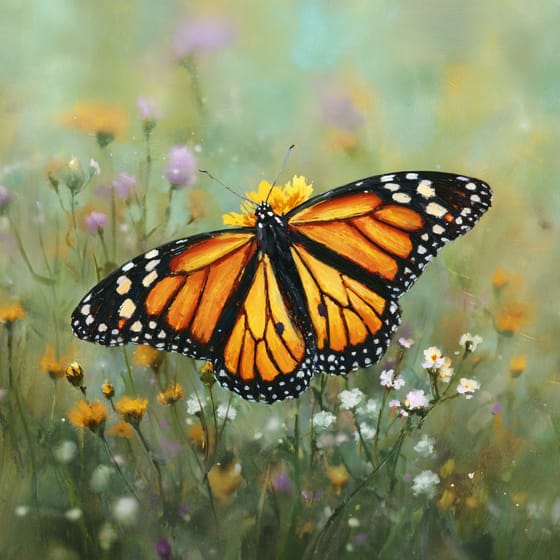
Danaus plexippus
Drinks nectar from the colorful blooms.
Pycnonotus jocosus
Consumes ripe berries, dispersing seeds.
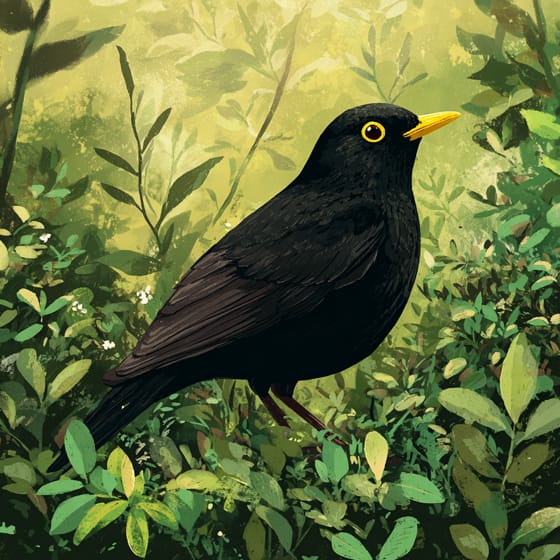
Turdus merula
Feeds on ripe fruit, aids seed dispersal.
Flowering plants are any plants that produce flowers as part of their reproductive cycle.
A shrub is a woody plant smaller than a tree, typically with multiple stems branching from or near the ground.
Summer blooming plants produce their flowers during the summer season, often providing vibrant color when many other plants have finished.
Evergreen plants retain their foliage throughout the year, never shedding all their leaves at once.

Fragrant flowers emit a pleasant aroma, often to attract pollinators or for defense.

Colorful describes organisms or objects displaying a wide range of bright and distinct colors.

Describes plants that are particularly attractive and beneficial to a wide range of pollinating organisms.

This habitat trait indicates species that can coexist with humans in urban and suburban environments, utilizing man-made structures and green spaces.
No aliases listed yet.
Danger
2/5 · Low
Be careful not to eat any part of the lantana plant, as it can make you feel sick.
The easiest way to identify common lantana is to use the Snappit nature identifier app.
60-180 cm
90-240 cm
2.5-6 cm
Year-round
No
Moderate
Perennial
Zoom in to split clusters and explore where this object has been snapped.

Hawaii, US
You might spot ʻōhiʻa Lehua and Stinking Passionflower.
View guide →

Hawaii, US
You might spot Sea Turtle, Great White Shark, and Spotted Eagle Ray.
View guide →
Hawaii, US
You might spot Sea Turtle, Blacktip Reef Shark, and Spotted Eagle Ray.
View guide →
Take the discovery with you
Snap it with Snappit to identify it, learn what makes it special, and add the discovery to your collection.








.jpg&width=800)


_001.jpg&width=800)



