




Sea Turtle

Maui Ocean Center showcases Hawaii's unique marine life with captivating exhibits and cultural experiences.
Maui Ocean Center showcases Hawaii's unique marine life with captivating exhibits and cultural experiences. As the largest living tropical reef aquarium in the Western Hemisphere, it's dedicated to fostering wonder and respect for Hawaii's ocean and its endemic creatures. Recognized as one of the Top 10 aquariums in the nation in 2024, it provides an unparalleled opportunity to delve into the vibrant underwater world surrounding the islands.
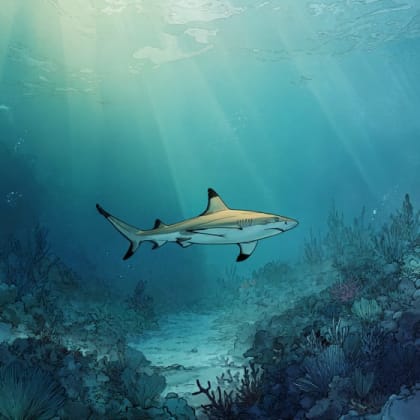
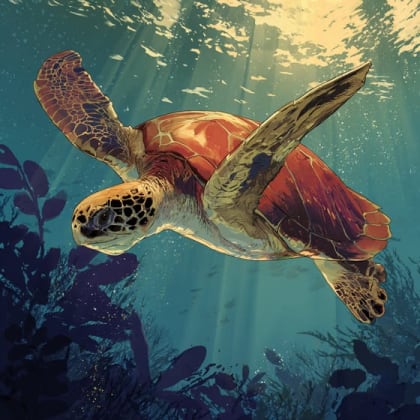
Visitors can marvel at over 40 species of live Pacific corals in the expansive Living Reef exhibit, observe graceful Hawaiian green sea turtles (*honu*) in the Turtle Lagoon, and come face-to-face with an array of sharks and rays, including sandbar sharks, blacktip reef sharks, and Hawaiian broad stingrays (*lupe*), within the breathtaking 750,000-gallon Open Ocean exhibit, complete with a 54-foot underwater tunnel. The Humpbacks of Hawaiʻi Exhibit & Sphere offers an immersive 3D experience, bringing you eye-to-eye with these majestic whales. Beyond marine life, the Hawaiians and the Sea exhibit delves into the deep cultural connection between the people of Hawaii and their ocean environment.
A visit to Maui Ocean Center is more than just an aquarium experience; it's an educational journey that connects guests to the delicate ecosystems of Hawaii. The center's commitment to marine education and conservation, including coral restoration and sea turtle rescue efforts, makes it a memorable and inspiring destination for all ages. It’s a place where every encounter deepens your understanding and appreciation for the ocean’s beauty and its preservation. Planning to visit? Download the Snappit app to identify the wildlife you spot in real-time.
The Maui Ocean Center first opened its doors on March 13, 1998, founded by Coral World International. This 3-acre facility quickly distinguished itself as the largest living tropical reef aquarium in the Western Hemisphere, focusing exclusively on marine life found in Hawaiian waters. It operates as part of Coral World, an international group of eco-conscious aquariums. Since its inception, the Maui Ocean Center has aimed to inspire and educate visitors about the importance of protecting Hawaii's marine environment. The center celebrated its 25th anniversary in 2023, marking decades of dedication to conservation initiatives such as coral reef restoration and sea turtle rescue and rehabilitation through the Maui Ocean Center Marine Institute.
Participate in a Hawaiian Culture & Plant Tour, which includes a hands-on poi pounding activity, offered on Thursdays. Kids can enjoy the Keiki Petroglyph Passport activity. For certified divers, the Shark Dive Maui offers an extraordinary opportunity to swim with sharks in the Open Ocean tank. Don't miss dining at the Platinum Certified Sustainable Seascape Restaurant for harbor views and local cuisine.
Humpback whales are typically found in Hawaiian waters from mid-November to mid-April, which is particularly relevant for the Humpbacks of Hawaiʻi Exhibit & Sphere. The center also hosts seasonal events like "Fins & Frights" for Halloween and "The Festival of Lights" during the holidays.
The Maui Ocean Center is ADA compliant and entirely wheelchair accessible. Complimentary wheelchairs are available on a first-come, first-served basis, and service animals are welcome. The Behind-the-Scenes Tour is also ADA compliant.
Discover over 40 species of live Hawaiian corals, observing the intricate ecosystems they create.
Walk through a 54-foot underwater tunnel, surrounded by various sharks (including sandbar and blacktip reef sharks) and Hawaiian broad stingrays (*lupe*).
Get an up-close view of Hawaiian green sea turtles (*honu*) swimming gracefully.
Experience a truly immersive 3D film that brings you eye-to-eye with humpback whales in their natural ocean environment.
Each card links to a full Explore page with photos, traits, and fun facts.
Start with the big picture, then zoom in to explore individual wildlife observations around this place.
Arrive strategically
To avoid peak crowds, aim for a visit in the afternoon (1 pm or later) or during the shoulder seasons (January, May, September, October, and early December).
Wear comfortable attire
Since parts of the center are outdoors, wear comfortable walking shoes, bring sunscreen, and consider a hat for sun protection.
Check presentation schedules
Upon arrival, grab a map and check the schedule for daily marine naturalist presentations and animal feedings to enhance your visit.
Parking is cashless
Be aware that parking is paid via a QR code system managed by an independent company; payment must be made using your smartphone, not at the aquarium's front gate.
Engage the kids
Ask for a Keiki Petroglyph Passport at the front gate for a fun, interactive activity that combines marine life with Hawaiian culture.
Consider reservations for dining
If you plan to eat at the award-winning Seascape Restaurant, making a reservation is recommended, especially during peak hours.
Jun 6, 2026
Jun 6, 2026
Jun 5, 2026
Jun 5, 2026
Jun 4, 2026

Ohio, US
You might spot Sand Tiger Shark, Nurse Shark, and Cow.
View guide →

California, US
You might spot Orca, Bottlenose Dolphin, and Beluga Whale.
View guide →

Illinois, US
You might spot Beluga Whale, Pacific White-Sided Dolphin, and Sea Otter.
View guide →

Texas, US
You might spot Brown-Throated Three-Toed Sloth, Ant, and Penguin.
View guide →
Take the discovery with you
Identify the wildlife you spot, learn as you go, and keep a collection of the adventure.