





Common Sow-thistle
Sonchus oleraceus
Common Sow-thistle is a leafy plant that grows in gardens and fields. Its bright yellow flowers bloom in the summer, making it a cheerful sight in nature!
Habitat: Urban areas
The Common Sow-thistle has bright yellow, dandelion-like flowers clustered at the top of its stem. Its distinct, irregularly lobed, blue-green leaves clasp the hollow stem, often appearing slightly prickly. Milky white sap oozes when the stem is broken.
Category
PlantsRarity
Common
Danger
1/5 · Very low
Snaps
2
Ancient Romans believed eating its leaves helped with digestion!
It grows on every continent except icy Antarctica – truly global!
Many garden caterpillars love to munch on its fresh, tender leaves.
This resilient plant can sprout and thrive even in sidewalk cracks!
Common Sow-thistle has milky white sap that acts as a natural defense against hungry insects and helps seal plant wounds.
Common Sow-thistle produces light, feathery seeds that catch the wind, allowing them to travel far and wide to grow.
Common Sow-thistle can quickly grow new shoots and flowers, allowing it to recover fast from damage and spreading.
Apis mellifera
Visits flowers for nectar and pollen.
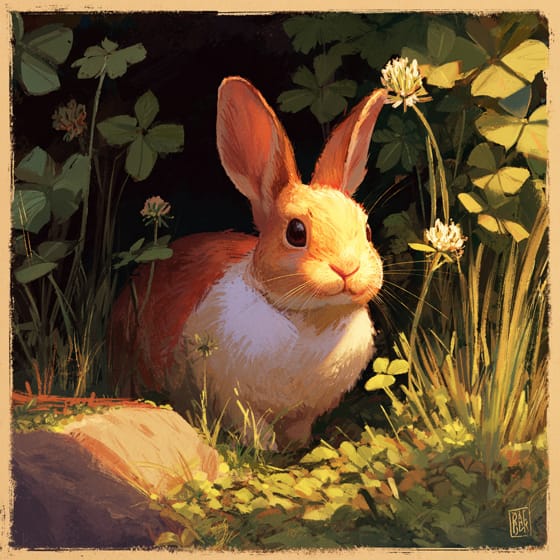
Oryctolagus cuniculus
Rabbits frequently browse on its leaves.

Helix aspersa
Snails often feed on its leaves and stems.
Homo sapiens
Young leaves are used in salads and cooking.
Flowering plants are any plants that produce flowers as part of their reproductive cycle.
Summer blooming plants produce their flowers during the summer season, often providing vibrant color when many other plants have finished.
Medicinal plants possess chemical compounds that can be used for therapeutic purposes to treat illnesses or maintain health.
Edible plants are those parts of a plant that are considered safe for human consumption.

Describes plants that are particularly attractive and beneficial to a wide range of pollinating organisms.

Rapid growing plants exhibit accelerated growth rates, quickly increasing in size and biomass within a short period.

This habitat trait indicates species that can coexist with humans in urban and suburban environments, utilizing man-made structures and green spaces.
No aliases listed yet.
Danger
1/5 · Very low
Always check with an adult before touching or tasting any plants.
The easiest way to identify Common Sow-thistle is to use the Snappit nature identifier app.
30-150 cm
15-45 cm
1-2.5 cm
April to October
Yes
None
Annual
Zoom in to split clusters and explore where this object has been snapped.

California, US
You might spot Snowy Egret, Great Blue Heron, and Willet.
View guide →

California, US
You might spot Pacific Tree Frog, Pipevine Swallowtail, and Bee.
View guide →
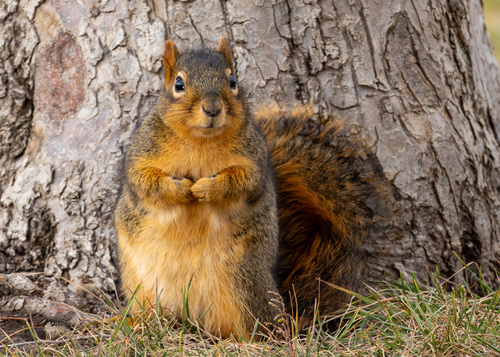
California, US
You might spot Eastern Fox Squirrel, Common Raven, and Mourning Dove.
View guide →
Take the discovery with you
Snap it with Snappit to identify it, learn what makes it special, and add the discovery to your collection.








.jpg&width=800)



_001.jpg&width=800)



