





copperbush
Elliottia pyroliflora
The copperbush is a small shrub with beautiful, shiny leaves. It grows in special places and is known for its lovely flowers that attract butterflies and bees.
Habitat: Forests
The copperbush is a small shrub or tree with unique reddish-brown bark and leaves that shimmer with a coppery hue, especially when young or in autumn. It displays clusters of charming pink or white bell-shaped flowers that hang gracefully.
Category
PlantsRarity
Rare
Danger
1/5 · Very low
Snaps
Be the first to snap!
Found mostly in the Pacific Northwest, it prefers the cool, damp air of high-elevation forests.
Its shiny, coppery leaves are thought to give it protection from strong mountain sunlight.
This plant is the only species in its entire genus, making it incredibly unique!
Young copperbush plants often grow very slowly, sometimes taking years to reach a modest size.
Copperbush has leaves that turn coppery-red, protecting them from harsh sun and signaling nutrient reabsorption before winter.
Copperbush can grow on steep, rocky slopes, using tough roots to anchor itself in challenging mountain environments.
Copperbush has pendulous, bell-shaped flowers that hang down, making them perfect landing pads for insect pollinators like bees.

Bombus vosnesenskii
A common pollinator in its native range.
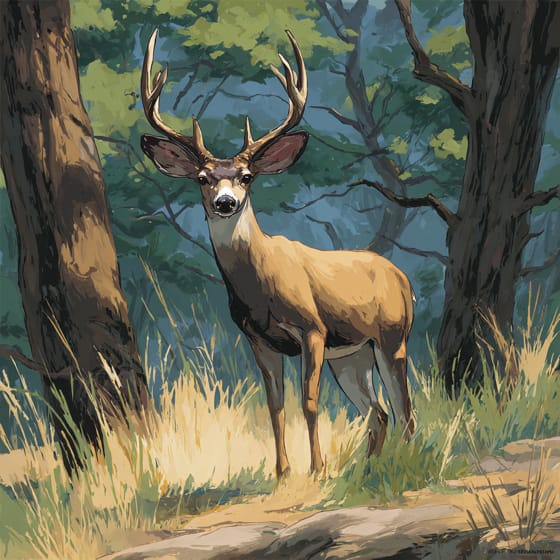
Odocoileus hemionus
Browses on its leaves and twigs, especially in winter.

Poecile rufescens
Small birds may find cover within its dense branches.
Rhizopogon vinicolor
Forms beneficial mycorrhizal root partnerships for nutrient exchange.
Aromatic plants produce and emit fragrant volatile organic compounds, often for defense or to attract pollinators.
Deciduous plants periodically shed all their leaves, typically during autumn or dry seasons.
Flowering plants are any plants that produce flowers as part of their reproductive cycle.
A shrub is a woody plant smaller than a tree, typically with multiple stems branching from or near the ground.

Fragrant flowers emit a pleasant aroma, often to attract pollinators or for defense.

Describes plants that are particularly attractive and beneficial to a wide range of pollinating organisms.

Forest habitats are terrestrial environments dominated by dense tree cover, supporting a high diversity of plant and animal life.

Describes organisms that transfer pollen, enabling the fertilization and reproduction of plants.

Endangered status indicates a species is at a very high risk of extinction in the wild in the near future.
No aliases listed yet.
Danger
1/5 · Very low
Always look but don't touch plants unless you know they are safe.
The easiest way to identify copperbush is to use the Snappit nature identifier app.
100-300 cm
50-200 cm
0.8-1 cm
Early summer
No
None
Perennial
Zoom in to split clusters and explore where this object has been snapped.
Recent snaps will appear here as new observations are added.
Take the discovery with you
Snap it with Snappit to identify it, learn what makes it special, and add the discovery to your collection.








.jpg&width=800)


_001.jpg&width=800)




