





Cottontail Rabbits
Sylvilagus
Cottontail rabbits are small, fluffy animals with big ears and a cute cotton-like tail. They love to hop around in fields and gardens, munching on grass and vegetables.
Habitat: Grasslands
The Cottontail Rabbit has soft, brownish-gray fur with a distinctive fluffy white tail resembling a cotton ball. Its underside is lighter, with large eyes and long ears that help it stay alert in its environment.
Category
MammalsRarity
Common
Danger
1/5 · Very low
Snaps
Be the first to snap!
Baby cottontails, called kits, are born blind, hairless, and totally helpless!
Cottontail rabbits re-eat a special kind of their own droppings for extra nutrients!
They warn friends of danger by thumping their strong back feet loudly on the ground!
When scared, a cottontail can freeze perfectly still, blending into its surroundings!
Cottontail Rabbits can run in quick zig-zag patterns because of their powerful hind legs, helping them dodge predators.
Cottontail Rabbits have brownish-gray fur that helps them blend perfectly into their grassy and woody habitats.
Cottontail Rabbits have large, swiveling ears that help them detect even faint sounds of approaching danger.
Cottontails munch on plants like grasses, clover, and bark to grow strong.
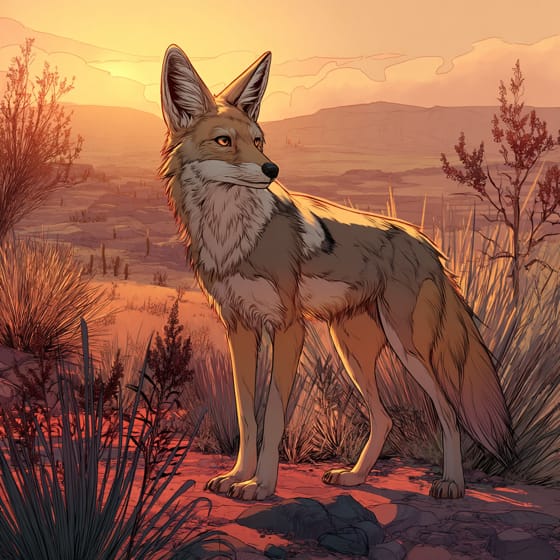
Canis latrans
Coyotes are common predators of cottontail rabbits.
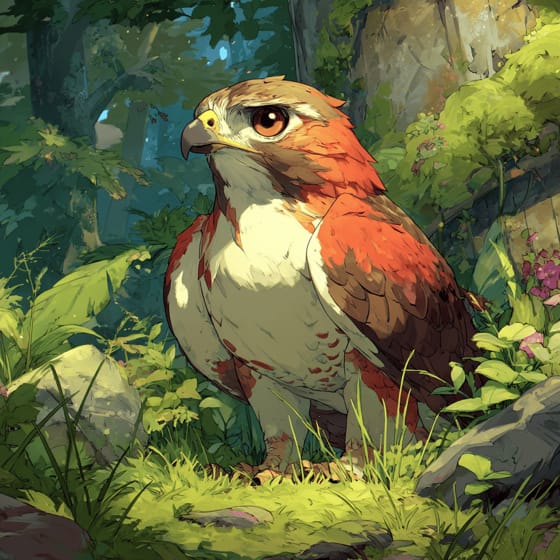
Buteo jamaicensis
Hawks hunt rabbits from above in open areas.
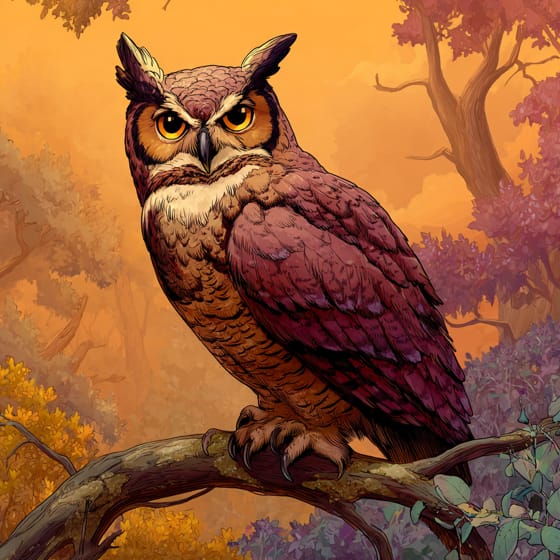
Bubo virginianus
Owls are nocturnal predators that catch rabbits at night.
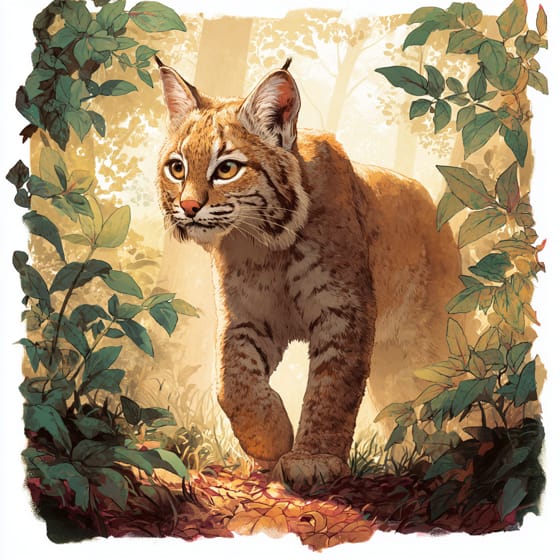
Lynx rufus
Bobcats stalk and ambush rabbits in dense cover.
Furry describes animals possessing a dense covering of soft hair or fur.
Social animals live in organized groups, cooperating for survival benefits such as foraging, defense, and raising offspring.
Burrowing animals dig tunnels and chambers in the ground, using these subterranean structures for shelter, hunting, or breeding.
Grassland habitats are terrestrial biomes dominated by grasses and herbaceous plants, supporting a variety of grazing animals.

This trait characterizes organisms whose diet consists entirely or primarily of plant material.

Diurnal animals are primarily active during daylight hours, typically resting or sleeping at night.

This trait identifies organisms that exhibit exceptional swiftness in movement for hunting, escape, or travel.
No aliases listed yet.
Danger
1/5 · Very low
If you see a rabbit, watch quietly from a distance and don't try to touch it.
The easiest way to identify Cottontail Rabbits is to use the Snappit nature identifier app.
36-48 cm
0.8-1.5 kg
1-3 years
45 km/h
Cottontails munch on plants like grasses, clover, and bark to grow strong.
Grasslands
Foraging
Zoom in to split clusters and explore where this object has been snapped.
Recent snaps will appear here as new observations are added.
Take the discovery with you
Snap it with Snappit to identify it, learn what makes it special, and add the discovery to your collection.




.jpg&width=800)


.JPG&width=800)
.jpg&width=800)
