





Crested Tit
Lophophanes cristatus
The Crested Tit is a small, cheerful bird with a fluffy crest on its head. It loves to flit around in the trees, making cheerful sounds and searching for tasty insects to eat.
Habitat: Forests
The Crested Tit has a striking, pointed black and white crest on its head, making it easily identifiable. Its face features a distinct black stripe extending from the eye to the nape, contrasting with a white cheek patch. The body is a mix of dull brownish-grey on top and buffy-white underneath.
Category
BirdsRarity
Common
Danger
1/5 · Very low
Snaps
Be the first to snap!
Crested Tits often store seeds and insects in bark crevices for later snacks!
These tiny birds can survive freezing winters by puffing up their feathers to trap warm air!
They sometimes build nests in old mouse or squirrel nests, instead of digging their own!
Unlike many birds, young Crested Tits often stay with their parents for an entire year!
Crested Tits can raise or lower their crest to show excitement or alarm, helping them communicate with other birds.
Crested Tits can excavate their own nest holes in soft, rotten wood, creating cozy homes for their chicks.
Crested Tits can hang upside-down from branches to reach hidden insects and seeds, helping them find food.
Tiny Crested Tits munch on insects, spiders, and conifer seeds found high in the trees!

Accipiter nisus
A swift predator of small woodland birds.
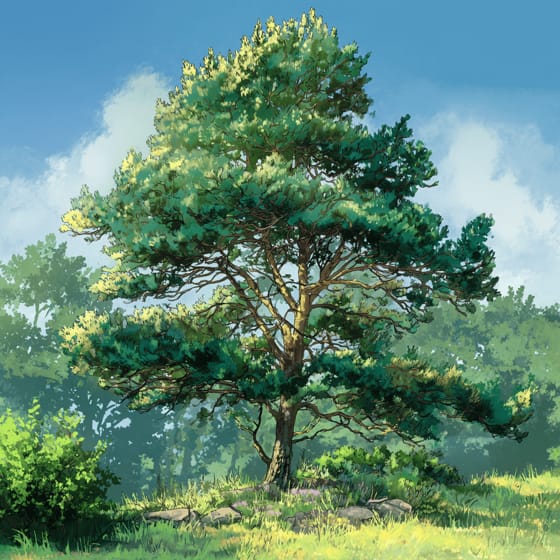
Pinus sylvestris
Provides shelter, nesting sites, and essential seeds for food.
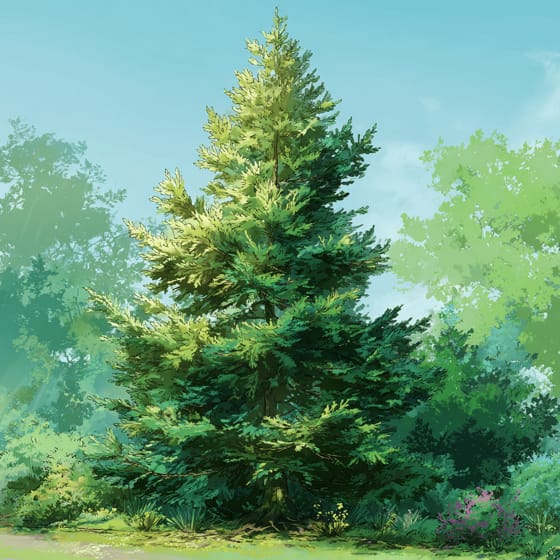
Picea abies
Offers foraging grounds and protected spaces in its dense needles.
Formica rufa
Preys on these ants and their larvae, a good protein source.
Feathered describes animals, primarily birds, possessing a covering of feathers.
Crested describes animals possessing a prominent tuft of feathers, hair, or skin on their head.
Social animals live in organized groups, cooperating for survival benefits such as foraging, defense, and raising offspring.
Singing animals produce complex vocalizations, often for purposes of attracting mates, defending territory, or communicating within their species.

Arboreal animals live primarily in trees, utilizing them for shelter, food, and protection from predators.

Colorful describes organisms or objects displaying a wide range of bright and distinct colors.

This trait identifies organisms whose diet primarily consists of insects and other small invertebrates.

Forest habitats are terrestrial environments dominated by dense tree cover, supporting a high diversity of plant and animal life.

Diurnal animals are primarily active during daylight hours, typically resting or sleeping at night.
No aliases listed yet.
Danger
1/5 · Very low
Enjoy watching birds from a distance and don't try to touch them.
The easiest way to identify Crested Tit is to use the Snappit nature identifier app.
11-13 cm
17-20 cm
0.01-0.014 kg
2-5 years
35 km/h
Tiny Crested Tits munch on insects, spiders, and conifer seeds found high in the trees!
Forests
Zoom in to split clusters and explore where this object has been snapped.
Recent snaps will appear here as new observations are added.
Take the discovery with you
Snap it with Snappit to identify it, learn what makes it special, and add the discovery to your collection.




.jpg&width=800)







