





crossflower
Chorispora tenella
The crossflower is a pretty little plant with delicate purple flowers. It grows in cool places and can be found in fields and meadows, adding beauty to nature's canvas.
Habitat: Grasslands
The crossflower is a slender plant with small, delicate flowers, typically lilac to pink or white. Its four petals are arranged in a distinctive cross-shape, giving it its name. The narrow, grey-green leaves grow mostly at the base, sometimes with wavy edges.
Category
PlantsRarity
Common
Danger
1/5 · Very low
Snaps
4
Crossflowers are super tough, often being one of the first plants to grow in disturbed, barren soil!
Each tiny flower only blooms for a single day, but a new one opens up every morning!
Its young leaves have a peppery taste, similar to mustard, and can even be eaten in salads!
The long, thin seed pods resemble tiny green needles, earning it the nickname 'tenella mustard'!
Crossflower can grow deep taproots that help it find moisture in dry, sandy, or desert-like environments to survive.
Crossflower grows and flowers very quickly, allowing it to complete its life cycle before harsh dry conditions arrive.
Its long, slender seed pods dry and easily break off, allowing them to roll in the wind and spread seeds far.
Apis mellifera
visits flowers for nectar
Bombus impatiens
collects nectar and pollen
Phyllotreta cruciferae
larvae and adults feed on leaves
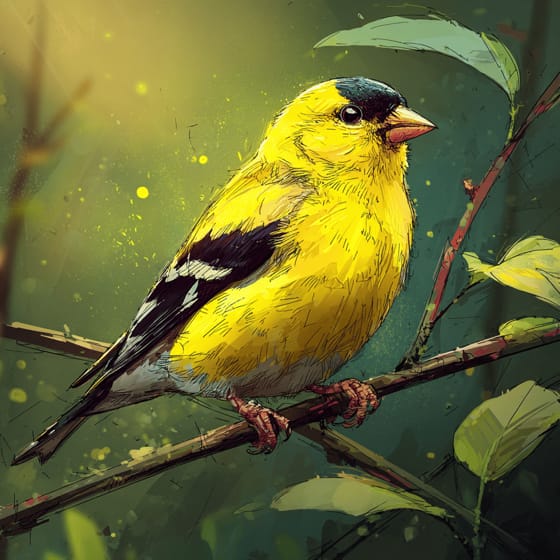
Carduelis tristis
feeds on mature seeds
Flowering plants are any plants that produce flowers as part of their reproductive cycle.
Biennial plants complete their life cycle over two growing seasons, typically forming foliage in the first year and flowering/seeding in the second.
Spring blooming plants produce their flowers during the spring season, often signifying the end of winter and the start of new growth.
Fragrant flowers emit a pleasant aroma, often to attract pollinators or for defense.

Colorful describes organisms or objects displaying a wide range of bright and distinct colors.

Grassland habitats are terrestrial biomes dominated by grasses and herbaceous plants, supporting a variety of grazing animals.

Describes plants that are particularly attractive and beneficial to a wide range of pollinating organisms.
No aliases listed yet.
Danger
1/5 · Very low
Always look but don't pick flowers, so they can keep growing for everyone to enjoy.
The easiest way to identify crossflower is to use the Snappit nature identifier app.
10-40 cm
5-15 cm
0.5-1.5 cm
Spring to early summer
Yes
None
Annual
Zoom in to split clusters and explore where this object has been snapped.

Kansas, US
You might spot Panthera Pardus Orientalis, Snow Leopard, and African Lion.
View guide →

Nebraska, US
You might spot Rock Pigeon, Alfalfa, and House Sparrow.
View guide →

Wyoming, US
You might spot Killdeer, American Kestrel, and Northern Flicker.
View guide →

Nevada, US
You might spot Plains Pricklypear and Western Fence Lizard.
View guide →
Take the discovery with you
Snap it with Snappit to identify it, learn what makes it special, and add the discovery to your collection.








.jpg&width=800)


_001.jpg&width=800)




