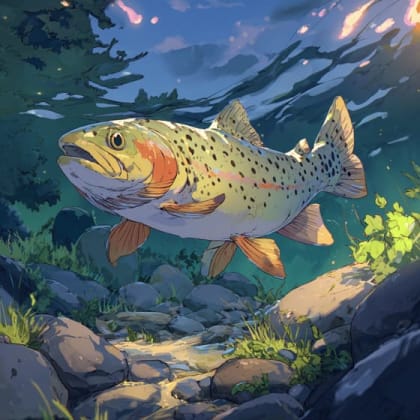
Cyprinus rubrofuscus
Cyprinus rubrofuscus
The Cyprinus rubrofuscus, also known as the red-finned carp, is a colorful fish that loves to swim in ponds and lakes. They have bright orange and red fins that make them easy to spot in the water!
Habitat: Freshwater lakes and ponds
The Cyprinus rubrofuscus has a robust body adorned with vibrant, iridescent scales in striking patterns of red, white, black, orange, and gold. Its distinctive barbels around the mouth help it stand out from other freshwater fish.
Category
FishRarity
Common
Danger
1/5 · Very low
Snaps
8
Koi fish can be taught to eat gently from your hand, showing how friendly they can become!
Some Koi fish have names reflecting their beautiful, unique patterns, like 'Kohaku' or 'Sanke'!
The oldest recorded Koi fish lived to be an astonishing 226 years old!
They are actually a domesticated form of the Amur carp, not a completely wild species!
Cyprinus rubrofuscus has dazzling patterns and colors because of selective breeding, helping them stand out beautifully in ponds.
Cyprinus rubrofuscus can find food in muddy waters because of sensitive barbels near its mouth, helping them detect prey.
Cyprinus rubrofuscus can survive in varying water temperatures because of its hardy carp genetics, helping them adapt to seasons.
Cyprinus rubrofuscus has an incredibly long lifespan because of its genetic makeup, allowing it to live for many decades.
Koi are omnivores, munching on a mix of plants, insects, and small water creatures from the pond bottom.
Homo sapiens
Needs human care for food and shelter in ponds.
.jpg&width=800)
Ardea cinerea
Preys on fish in shallow waters, especially smaller Koi.
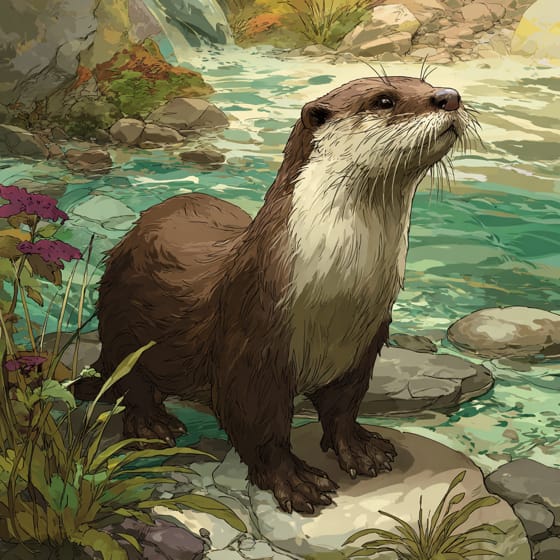
Lutra lutra
Skilled hunter of fish in freshwater habitats and ponds.
Chironomus plumosus
Consumes larvae and pupae from the pond substrate.
Social animals live in organized groups, cooperating for survival benefits such as foraging, defense, and raising offspring.
This trait identifies organisms whose diet includes both plant and animal matter.
Colorful describes organisms or objects displaying a wide range of bright and distinct colors.
This trait characterizes organisms whose diet consists entirely or primarily of plant material.

Diurnal animals are primarily active during daylight hours, typically resting or sleeping at night.

Freshwater habitats include non-saline aquatic environments such as rivers, lakes, ponds, and wetlands, vital for numerous species.

Aquatic habitats encompass environments where organisms live predominantly in water, including oceans, rivers, lakes, and wetlands.
Danger
1/5 · Very low
Always be careful near water and ask an adult before going swimming.
The easiest way to identify Cyprinus rubrofuscus is to use the Snappit nature identifier app.
30-90 cm
1-15 kg
20-50 years
Koi are omnivores, munching on a mix of plants, insects, and small water creatures from the pond bottom.
8 km/h
Freshwater lakes and ponds
Foraging
Zoom in to split clusters and explore where this object has been snapped.

Connecticut, US
You might spot American Robin, Eastern Poison Ivy, and Duck.
View guide →
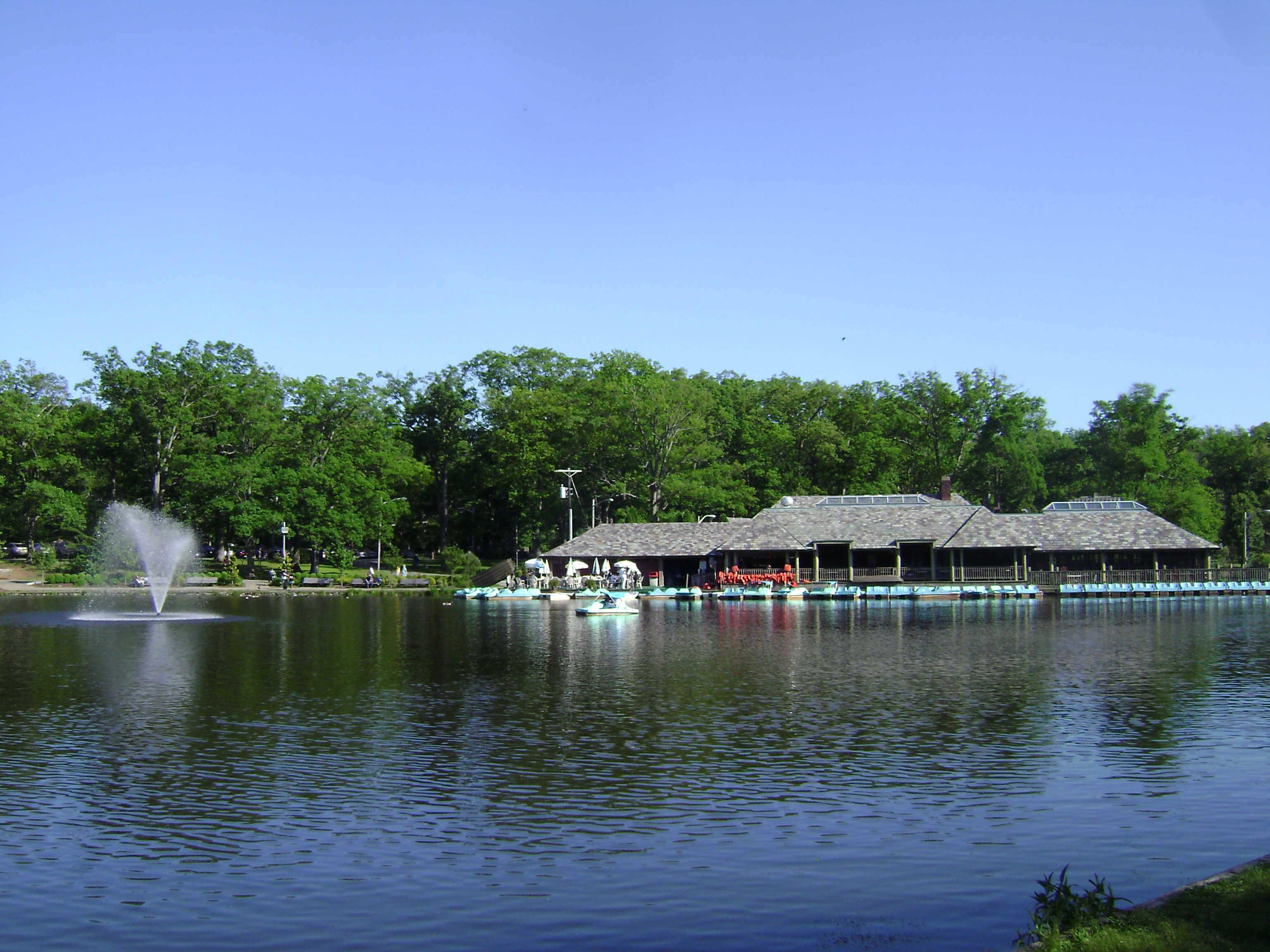
New Jersey, US
You might spot White-Tailed Deer, American Robin, and Spotted Lanternfly.
View guide →

Connecticut, US
You might spot American Robin, Common Eastern Bumble Bee, and Duck.
View guide →

Connecticut, US
You might spot American Robin and Common Eastern Bumble Bee.
View guide →

Maryland, US
You might spot White-Throated Sparrow, Duck, and Spotted Lanternfly.
View guide →

Maryland, US
You might spot Spotted Lanternfly, Duck, and Canada Goose.
View guide →
Take the discovery with you
Snap it with Snappit to identify it, learn what makes it special, and add the discovery to your collection.