





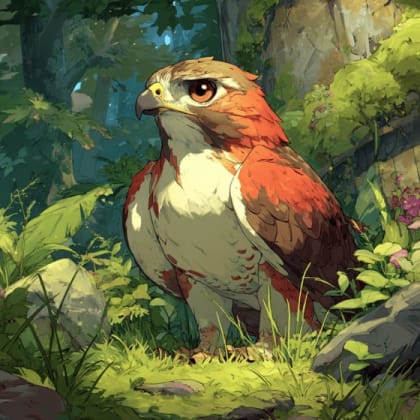
American Robin

Coltsville Historic District showcases Samuel Colt's revolutionary manufacturing legacy and a pioneering industrial community.
Coltsville Historic District showcases Samuel Colt's revolutionary manufacturing legacy and a pioneering industrial community.
Step into Coltsville National Historical Park, an authorized yet still-developing site in Hartford, Connecticut, that preserves the profound legacy of industrialist Samuel Colt and his wife, Elizabeth. This 260-acre district offers a unique window into 19th-century American innovation, showcasing not just a groundbreaking firearms factory but also a meticulously planned community designed for its workers. It stands as a testament to the power of American ingenuity and the transformative era of the Industrial Revolution, offering visitors a chance to explore a landscape rich with historical significance.
The district's key highlights include the iconic East Armory, capped by its distinctive Blue Onion Dome and the majestic rampant colt statue, a powerful symbol of the Colt empire. Wander through the former worker housing, including the charming Potsdam Cottages, and admire the architectural details of the Church of the Good Shepherd and its adjacent Caldwell Hart Colt Memorial Parish House, which notably incorporates unique gun-themed motifs in its design. Visitors can also explore the serene Colt Park and view Armsmear, Elizabeth Colt's opulent mansion, alongside the Samuel Colt Monument.
Visiting Coltsville is an opportunity to connect with a pivotal era of American history and witness the enduring impact of a visionary entrepreneur and his equally influential wife. It’s a place where industrial prowess met social responsibility, creating a community that reflected both innovation and care for its workforce. The preserved architecture and the stories embedded within these structures provide a memorable and thought-provoking experience, painting a vivid picture of a remarkable past and underscoring the Colt family's lasting influence on Hartford and the nation. Wondering what that bird or insect is? Find out on your visit using the Snappit nature app.
Coltsville's origins trace back to the 1850s when Samuel Colt established his renowned firearms manufacturing company along the Connecticut River in Hartford. Beyond just a factory, Colt envisioned and built a comprehensive, planned community for his employees, complete with housing, a church, and various amenities. Following a devastating fire in 1864 that destroyed the original factory, Samuel Colt's widow, Elizabeth Colt, took charge, bravely rebuilding the complex, including the iconic Blue Onion Dome. Elizabeth Colt's leadership was instrumental; she managed the company for nearly 40 years, overseeing the introduction of the famous Colt "Peacemaker" revolver in 1873, and establishing herself as an early female entrepreneur and significant philanthropist. The area was designated a National Historic Landmark in 2008, and in 2014, legislation authorized its creation as Coltsville National Historical Park. The park remains in the final stages of official establishment, working towards completing legislative requirements, including the transfer of land for a future visitor center.
Embark on a self-guided walking tour using the Coltsville NHP App to learn about the significance of various buildings and their historical context. Explore the architectural marvels and reflect on the innovations in manufacturing and community planning that took place here.
As the park is still in development, programming may be limited. While the historical elements are present year-round, check the park's official website for any specific events or limited-time offerings.
Sidewalks and pathways throughout Coltsville are paved, making many areas accessible. The walking route is generally flat, with a slight uphill section towards the Colt Monument. Fully trained service animals are permitted on all trails.
The East Armory with its striking Blue Onion Dome and rampant colt statue, the architecturally significant Church of the Good Shepherd, Elizabeth Colt's historic mansion Armsmear, the planned worker housing (Potsdam Cottages), Colt Park, and the Samuel Colt Monument.
Each card links to a full Explore page with photos, traits, and fun facts.
Start with the big picture, then zoom in to explore individual wildlife observations around this place.
Download the App
Utilize the free Coltsville NHP App for a comprehensive self-guided walking tour experience, providing historical context for 11 different sites.
Respect Private Property
Many historic buildings within the district are now private residences or businesses. Be mindful and respectful of residents and employees as you explore.
Wear Comfortable Shoes
The self-guided walking tour spans over 2 miles and covers various terrains, so comfortable footwear is essential.
Plan for Limited Facilities
As the park is still developing, there are no dedicated public restrooms or visitor services available directly within the district at this time.
Consider Nearby Attractions
Enhance your visit by exploring other historical sites in Hartford, such as the Mark Twain House & Museum or the Harriet Beecher Stowe Center.
Optimal Timing
Visit during daylight hours. For comfortable walking and photography, spring and fall offer the most pleasant weather conditions in Hartford.

Maryland, US
You might spot White-Tailed Deer and Eastern Gray Squirrel.
View guide →
.jpg)
District of Columbia, US
You might spot Eastern Gray Squirrel, Duck, and House Sparrow.
View guide →

Illinois, US
You might spot American Robin, Canada Goose, and House Sparrow.
View guide →

Virginia, US
You might spot Spotted Lanternfly and Northern Cardinal.
View guide →
Take the discovery with you
Identify the wildlife you spot, learn as you go, and keep a collection of the adventure.























.jpg&width=800)




