




deerweed
Acmispon glaber
Deerweed is a bright and cheerful plant that grows in sunny places. It has lovely yellow flowers that attract butterflies and bees, making it a fun plant to see in nature!
Habitat: Grasslands
The deerweed is a low-growing plant with many slender, leafy stems. It has small, bright yellow or orange pea-like flowers clustered along the branches. Its delicate, feathery leaves give it a soft, wispy appearance.
Category
PlantsRarity
Common
Danger
1/5 · Very low
Snaps
4
Deerweed is like a magnet for many different kinds of butterflies and bees!
It's a super important food source for hungry deer and baby caterpillars!
Its scientific name 'Acmispon' means 'hairy foot' because of its fuzzy seed pods!
This tough plant can grow in very poor soil where other plants struggle.
Deerweed can pull nitrogen from the air using special root bacteria, making the soil richer for other plants to grow.
Deerweed has deep roots that help it find water in dry soils, allowing it to survive long periods without rain.
Deerweed seeds can sprout quickly after a wildfire, helping the land recover and providing food for animals.
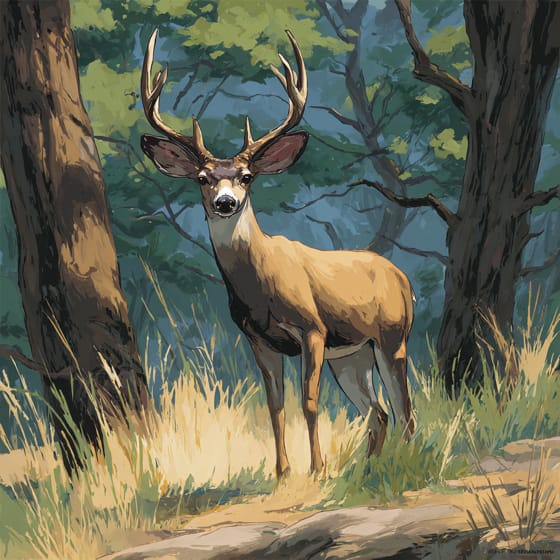
Odocoileus hemionus
Mule deer often browse on its leaves and stems.
Apis mellifera
Honey bees collect nectar and pollen from its flowers.

Erynnis persius
Caterpillars of this butterfly feed on deerweed leaves.

Bombus vosnesenskii
This native bumble bee is a frequent visitor to deerweed flowers.
Deciduous plants periodically shed all their leaves, typically during autumn or dry seasons.
Flowering plants are any plants that produce flowers as part of their reproductive cycle.
Describes organisms capable of converting atmospheric nitrogen into compounds usable by plants.
Summer blooming plants produce their flowers during the summer season, often providing vibrant color when many other plants have finished.

Fragrant flowers emit a pleasant aroma, often to attract pollinators or for defense.

Edible plants are those parts of a plant that are considered safe for human consumption.

Grassland habitats are terrestrial biomes dominated by grasses and herbaceous plants, supporting a variety of grazing animals.

Describes plants that are particularly attractive and beneficial to a wide range of pollinating organisms.
No aliases listed yet.
Danger
1/5 · Very low
Always look but don't touch wild plants unless a grown-up says it's okay.
The easiest way to identify deerweed is to use the Snappit nature identifier app.
30-100 cm
40-90 cm
0.5-1 cm
Spring to Fall
No
None
Perennial
Zoom in to split clusters and explore where this object has been snapped.

California, US
You might spot Warrior's Plume and Purple Owl's-Clover.
View guide →
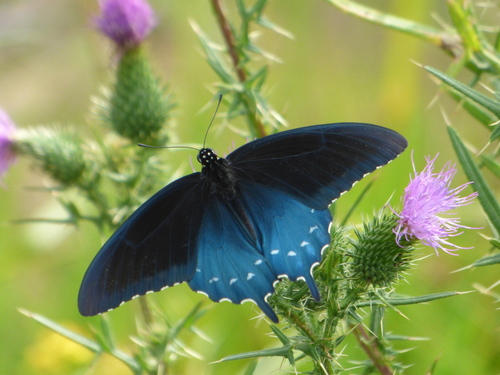
California, US
You might spot Pipevine Swallowtail, White Globe Lily, and Toyon.
View guide →

California, US
You might spot Western Fence Lizard, Eastern Fox Squirrel, and Bee.
View guide →

California, US
You might spot Western Fence Lizard and Coast Live Oak.
View guide →

California, US
You might spot Ant, Chimpanzee, and African Lion.
View guide →
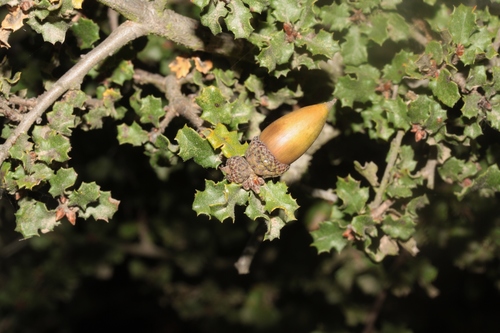
California, US
You might spot Nuttall's Scrub Oak and House Finch.
View guide →
Take the discovery with you
Snap it with Snappit to identify it, learn what makes it special, and add the discovery to your collection.







.jpg&width=800)


_001.jpg&width=800)



